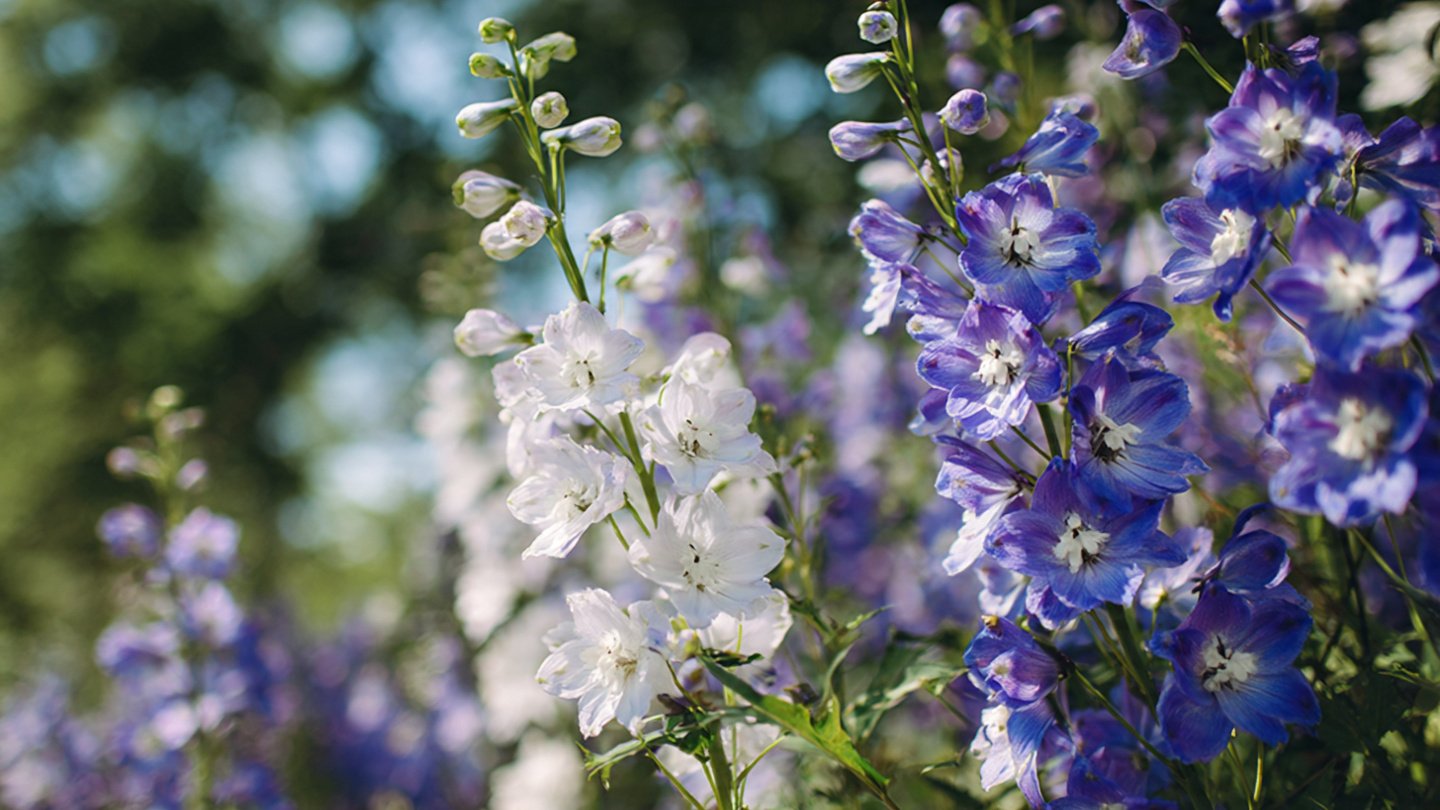
Larkspur (Delphinium spp.) is a stunning garden plant known for its tall, elegant flower spikes and vibrant colors. Its dramatic blooms, ranging from deep blues and purples to soft pinks and whites, make it a favorite among gardeners looking to add height and beauty to borders, cottage gardens, or mixed flower beds. Growing larkspur from seed may seem daunting to beginners, but with a few simple steps, you can cultivate healthy plants that produce impressive flower spikes season after season. This guide will walk you through the process of sowing, nurturing, and maintaining larkspur from seed for a flourishing garden.
Understanding Larkspur
Before planting, it’s essential to understand what makes larkspur unique. Larkspur is a member of the Ranunculaceae family and comes in annual, biennial, and perennial varieties. Most gardeners grow annual or biennial types for fast results and long-lasting blooms. Biennials, for instance, produce leaves in the first year and flower in the second, while annuals bloom in the same season as sowing.
Larkspur is a cool-season flower, preferring moderate temperatures. It thrives in fertile, well-draining soil and requires adequate sunlight to develop tall, robust flower spikes. Because of its height, larkspur is often used at the back of garden borders or near fences, where it can provide structure without shading smaller plants.
Selecting the Right Seeds
The first step to a flourishing larkspur garden is choosing high-quality seeds. Look for seeds labeled for your growing region and season. Popular varieties for home gardeners include:
- ‘Rocket Mix’ – Produces tall spikes up to 4 feet in a mix of blues, pinks, and white flowers.
- ‘Giant Imperial’ – Known for extra-tall spikes reaching 5–6 feet, ideal for dramatic back-of-border displays.
- ‘Magic Fountain’ – Compact variety with multiple flower spikes, perfect for smaller gardens.
High-quality seeds have a better germination rate and are less prone to disease, increasing the chances of a flourishing garden.
Preparing Seeds for Germination
Larkspur seeds require a process called cold stratification, which mimics winter conditions and helps improve germination. Here’s how to prepare your seeds:
- Soak Seeds: Place seeds in lukewarm water for 24 hours to soften the seed coat.
- Stratify: Wrap soaked seeds in a damp paper towel and place them in a plastic bag in the refrigerator for 2–3 weeks. This cold treatment encourages faster and more uniform germination.
- Check Regularly: Ensure the paper towel remains damp but not soggy to prevent mold growth.
Cold stratification ensures your seeds have the best chance of germinating quickly once planted.
Sowing Larkspur Seeds
Larkspur seeds are best sown directly in the garden or started indoors if you want more control over temperature and soil conditions.
Direct Sowing
- Prepare the Soil: Loosen the soil in your chosen garden bed and remove any weeds or debris. Larkspur prefers slightly sandy, well-drained soil with a neutral to slightly acidic pH.
- Sow Seeds: Scatter seeds thinly across the soil surface. Larkspur seeds need light to germinate, so press them lightly into the soil but do not cover them completely.
- Water Gently: Keep the soil moist but not waterlogged. Germination typically occurs in 10–20 days.
Indoor Sowing
- Use Seed Trays: Fill trays with seed-starting mix and sprinkle seeds on the surface.
- Light and Temperature: Place trays in a bright, cool location, ideally around 60–65°F. Avoid direct sunlight that could dry the soil too quickly.
- Transplant: Once seedlings have developed 2–3 true leaves, transplant them outdoors after the last frost, spacing them 6–12 inches apart.
Starting seeds indoors can give you a head start on the season and allows you to control conditions for better germination rates.
Caring for Young Seedlings
Young larkspur seedlings require attention to thrive. Here are key steps for care:
- Sunlight: Provide full sun or partial shade. Seedlings in partial shade may grow taller but with weaker stems.
- Watering: Keep the soil evenly moist. Avoid overwatering, which can lead to root rot.
- Thinning: Once seedlings are established, thin them to prevent overcrowding. Proper spacing encourages stronger growth and reduces disease risk.
- Fertilization: Use a balanced, water-soluble fertilizer once seedlings are established to promote healthy leaves and strong stems.
Seedling care is crucial because healthy young plants are more likely to produce tall, robust flower spikes.
Supporting Larkspur Growth
Larkspur can reach heights of 4–6 feet, depending on the variety, making support structures essential for preventing flopping or breakage.
- Stakes: Insert stakes near the base and tie the stems loosely with soft twine.
- Cages: Wire cages or plant supports help multiple spikes grow upright.
- Group Planting: Planting larkspur in clusters provides mutual support and reduces wind damage.
Support is especially important for tall varieties and those exposed to strong winds. Proper staking ensures flower spikes remain upright, contributing to the visual appeal of your garden.
Fertilization and Soil Care
Larkspur thrives in nutrient-rich soil. Fertilization promotes healthy growth and taller flower spikes:
- Balanced Fertilizer: Apply a general-purpose fertilizer when seedlings are established.
- High-Phosphorus Fertilizer: As flower buds appear, switch to a fertilizer higher in phosphorus to support blooming.
- Compost: Incorporating compost into the soil improves structure, drainage, and nutrient content.
Consistent soil care ensures larkspur plants grow vigorously and produce lush, vibrant flower spikes.
Pest and Disease Management
Larkspur is generally hardy but can be susceptible to pests and diseases, including aphids, slugs, powdery mildew, and crown rot. Preventive measures include:
- Proper Spacing: Ensures good air circulation and reduces disease risk.
- Watering at the Base: Keeps leaves dry to prevent fungal infections.
- Regular Inspection: Remove affected leaves and treat pests promptly with insecticidal soap or natural deterrents.
Healthy, well-maintained plants are more resilient and produce longer-lasting flower displays.
Flowering and Maintenance
Larkspur produces its tallest flower spikes when grown under optimal conditions. To maintain a flourishing garden:
- Deadheading: Remove spent flowers to encourage continuous blooming and prevent self-seeding if undesired.
- Mulching: Helps retain soil moisture and suppress weeds.
- Winter Care: Biennial varieties will go dormant in winter. Remove dead foliage and protect the crown with mulch or straw to survive frost.
By following these steps, you can ensure that larkspur thrives season after season, creating a beautiful and dramatic garden display.
Companion Planting
Larkspur pairs beautifully with other garden plants:
- Roses: Complement the height and color of larkspur.
- Foxgloves or Snapdragons: Create layered borders with different heights and textures.
- Low-Growing Perennials: Such as lavender or catmint, which contrast the tall spikes.
Companion planting enhances both the visual appeal and health of your garden ecosystem.
Common Mistakes to Avoid
To achieve success, gardeners should avoid common mistakes:
- Planting Too Early: Larkspur prefers cooler temperatures; sowing too late can reduce flower quality.
- Overcrowding: Leads to weak stems and disease.
- Neglecting Support: Tall spikes without staking may flop and break.
- Inconsistent Watering: Can stress plants and reduce flower production.
Avoiding these errors ensures stronger plants and a more flourishing garden.
Conclusion
Growing larkspur from seed is a simple yet rewarding way to achieve a flourishing garden. By selecting high-quality seeds, preparing them through stratification, sowing carefully, and providing proper care, you can cultivate healthy plants that produce tall, elegant flower spikes. Supporting growth with stakes, ensuring nutrient-rich soil, and monitoring for pests and diseases further enhances success.
With patience and attention to detail, even beginner gardeners can enjoy the vibrant beauty of larkspur. Its towering spikes, vivid colors, and delicate fragrance add drama and charm to any garden space, creating a landscape that is both visually stunning and deeply satisfying.
By following these steps, you can transform your garden into a flourishing haven of color and elegance, with larkspur serving as one of the most captivating highlights of your outdoor space. Whether planted in borders, containers, or alongside companion plants, larkspur’s tall flower spikes will elevate your garden to new heights of beauty and sophistication.