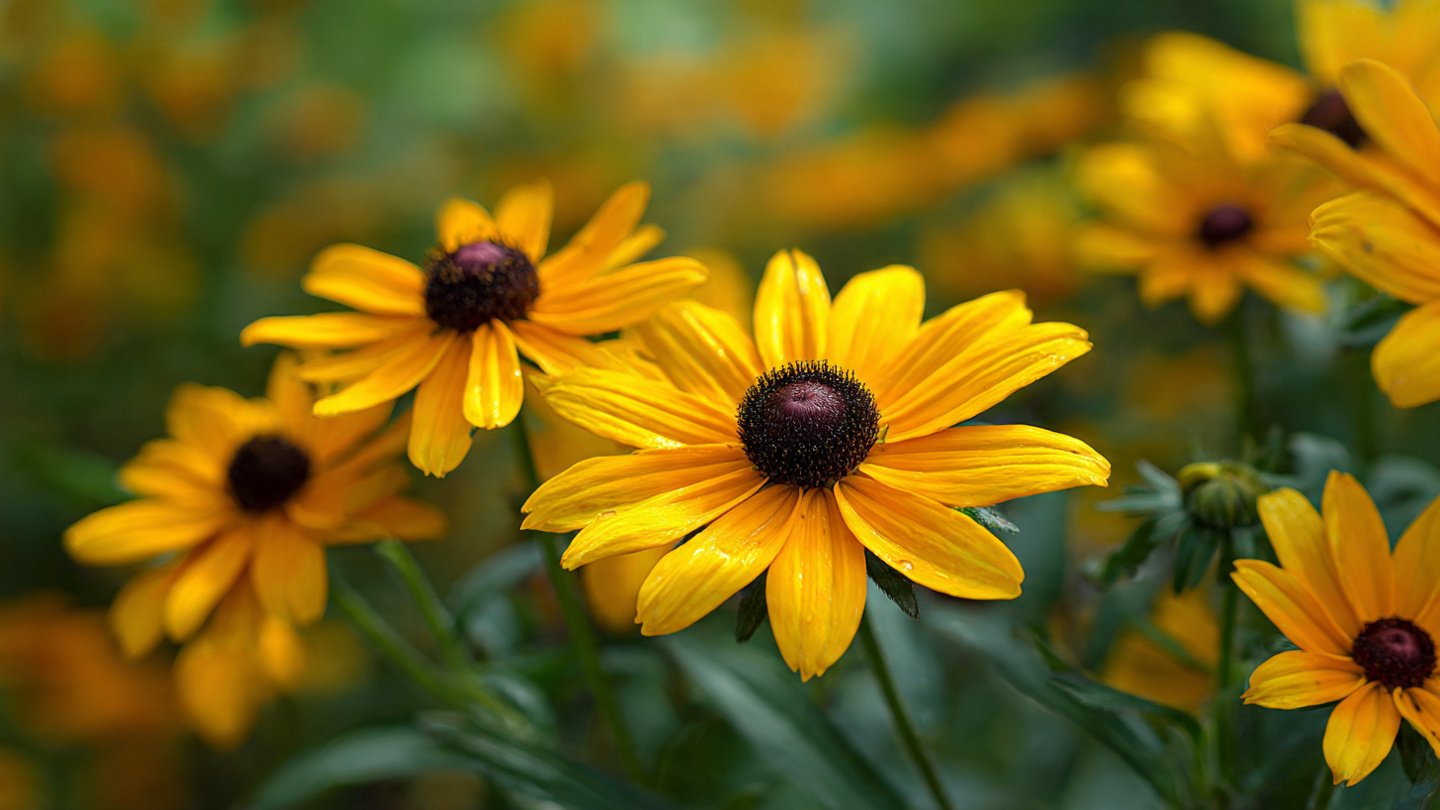
Rudbeckia, commonly known as Black-eyed Susan, is a vibrant, easy-to-grow perennial that brings cheerful color and resilience to any garden. With its bright yellow or orange petals surrounding a dark, cone-shaped center, Rudbeckia can provide stunning summer and autumn blooms while attracting pollinators like bees and butterflies. These hardy plants are valued for their low maintenance, long-lasting flowers, and adaptability to various garden conditions. Whether you are a beginner or an experienced gardener, growing Rudbeckia can transform your garden into a lively, perennial paradise.
This guide explores everything you need to know about planting, cultivating, and maintaining Rudbeckia to achieve spectacular, long-lasting blooms.
Understanding Rudbeckia
Rudbeckia is part of the Asteraceae family and includes over 20 species of flowering plants native to North America. Its most popular variety, Rudbeckia fulgida, is prized for its vibrant yellow petals and black central disc. Other varieties include Rudbeckia hirta, often grown as an annual, and Rudbeckia laciniata, which produces taller plants and larger blooms.
Rudbeckia thrives in sunny garden conditions, making it a perfect addition to perennial beds, wildflower meadows, and pollinator gardens. Its long blooming season, typically from midsummer to early fall, ensures a continuous splash of color. Additionally, Rudbeckia’s resilience to drought, heat, and common garden pests makes it an excellent choice for low-maintenance gardening.
Selecting the Right Location
The key to growing stunning Rudbeckia blooms begins with location selection. These plants thrive in full sun, requiring at least six to eight hours of sunlight per day. Full sunlight encourages abundant flowering and keeps the foliage strong and healthy.
Soil requirements are relatively flexible. Rudbeckia prefers well-draining soil, but it can tolerate clay, loam, and sandy soils. For optimal growth, the soil should be slightly acidic to neutral, with a pH between 6.0 and 7.0. Adding organic matter, such as compost or well-rotted manure, enhances fertility and moisture retention.
Avoid overly shaded areas, as insufficient sunlight can lead to leggy growth, fewer blooms, and increased susceptibility to disease. Rudbeckia can also handle wind and heat, but adequate spacing is essential to ensure proper air circulation and reduce the risk of fungal infections.
Choosing the Right Rudbeckia Varieties
Several Rudbeckia varieties are suitable for gardens, each with unique features:
- Rudbeckia fulgida ‘Goldsturm’: A classic perennial, growing up to 24–36 inches tall with bright yellow petals and a long blooming season. Highly disease-resistant and reliable.
- Rudbeckia hirta: Typically grown as an annual, offering vibrant yellow, orange, or bi-colored blooms. Ideal for borders and containers.
- Rudbeckia laciniata: Tall-growing variety, reaching up to 6 feet, producing large flowers suitable for the back of flower beds or wild gardens.
- Rudbeckia triloba: Compact and bushy, producing clusters of smaller yellow flowers with striking dark centers. Perfect for smaller spaces or mixed beds.
When selecting varieties, consider bloom time, height, and flower size. Combining multiple varieties can create layered, dynamic visual interest in your garden.
Planting Rudbeckia
Rudbeckia can be grown from seeds, transplants, or root divisions. Each method has its advantages:
- Seeds: Sow seeds indoors 6–8 weeks before the last frost or directly in the garden after the risk of frost has passed. Lightly press seeds into soil without covering, as they need sunlight for germination. Germination usually occurs within 10–14 days.
- Transplants: Purchase nursery-grown plants for quicker results. Transplant seedlings into the garden after the last frost, spacing plants 12–24 inches apart depending on the variety.
- Root Divisions: Mature Rudbeckia clumps can be divided every 3–4 years to rejuvenate plants, control size, and propagate new perennials.
Planting depth is critical. Cover seeds or roots lightly with soil and water gently. Ensure consistent moisture during the first few weeks to encourage strong root development. Once established, Rudbeckia is relatively drought-tolerant but benefits from occasional watering during prolonged dry spells.
Fertilization and Soil Care
Rudbeckia does not require heavy fertilization. Too much nitrogen can result in lush foliage with fewer blooms. To promote healthy growth:
- Incorporate compost or organic matter into the soil before planting.
- Apply a balanced, slow-release fertilizer in early spring when new growth appears.
- Side-dress plants with compost mid-season to boost flowering.
Mulching around the base of the plants helps retain soil moisture, regulate temperature, and reduce weed competition. Use organic mulch like shredded bark, straw, or leaf mold, keeping it a few inches away from stems to prevent rot.
Watering Requirements
Rudbeckia thrives in moderately moist soil but is adaptable to dry conditions once established. Water newly planted seeds or transplants regularly, keeping the soil consistently moist for the first few weeks. Established plants benefit from deep watering about once a week, especially during hot, dry weather.
Avoid overwatering, as excessively wet soil can promote root rot and fungal diseases. Proper spacing and good air circulation help prevent moisture-related problems.
Supporting and Pruning Rudbeckia
While most Rudbeckia varieties are sturdy, taller types like Rudbeckia laciniata may require staking to prevent flopping. Use stakes or garden twine to support heavy blooms, especially after rain.
Deadheading spent flowers encourages continued blooming throughout the season. Remove faded flowers by cutting them back to the base or the nearest leaf node. This practice not only prolongs the flowering period but also prevents self-seeding if you prefer a tidy garden.
At the end of the growing season, cut back stems to ground level after the first frost. This prepares the plant for dormancy and promotes vigorous growth the following spring. Root divisions can be taken during this period if you wish to propagate new plants.
Controlling Pests and Diseases
Rudbeckia is relatively pest-resistant but can occasionally face issues such as:
- Aphids: Small green or black insects feeding on young leaves. Treat with insecticidal soap or strong water sprays.
- Powdery Mildew: White, powdery coating on leaves. Improve air circulation, avoid overhead watering, and use fungicidal sprays if necessary.
- Slugs and Snails: May feed on seedlings. Use traps or barriers to protect young plants.
Maintaining proper spacing, watering at the base, and removing debris around plants reduces the likelihood of diseases and pests.
Encouraging Pollinators
Rudbeckia is an excellent plant for attracting bees, butterflies, and other beneficial pollinators. By incorporating Rudbeckia into your garden, you support local ecosystems and enhance pollination for other flowering plants. Consider companion planting with milkweed, coneflowers, or bee balm to create a pollinator-friendly habitat.
Propagation for Continuous Blooms
To maintain a vibrant garden year after year, consider propagating Rudbeckia:
- Seed Collection: Collect seeds from spent flowers at the end of the season. Store in a cool, dry place for sowing the following spring.
- Division: Every 3–4 years, divide clumps in early spring or late fall to rejuvenate plants and expand your garden.
- Transplanting Seedlings: Start seeds indoors to give plants a head start on blooming, especially in regions with short growing seasons.
Propagation ensures a continuous supply of fresh blooms while maintaining plant vigor and size control.
Designing a Rudbeckia Garden
Rudbeckia works well in a variety of garden designs:
- Perennial Borders: Plant multiple Rudbeckia varieties together for a layered, textured look.
- Mixed Flower Beds: Combine with asters, coneflowers, and ornamental grasses for continuous seasonal interest.
- Pollinator Gardens: Use Rudbeckia as a nectar source to support bees and butterflies.
- Containers and Patio Gardens: Smaller varieties thrive in large pots, adding color to patios and balconies.
When designing your garden, consider bloom time, height, and color contrast to create visually appealing arrangements.
Seasonal Care and Longevity
Rudbeckia is a long-lived perennial that can thrive for many years with proper care. In colder climates, applying mulch over the root zone during winter protects the plant from frost. In warmer climates, Rudbeckia remains evergreen or semi-evergreen, providing color year-round.
Regular monitoring, watering during dry spells, and occasional fertilization ensure healthy, vibrant plants with abundant blooms. With minimal maintenance, Rudbeckia can become a reliable focal point in your garden for decades.
Conclusion
Growing Rudbeckia in your garden is a rewarding endeavor that offers bright, cheerful blooms with minimal effort. By choosing the right location, selecting suitable varieties, providing proper soil, water, and support, and practicing regular maintenance, you can enjoy stunning perennial flowers year after year.
Rudbeckia not only adds visual appeal but also attracts pollinators, supports biodiversity, and requires relatively low maintenance, making it an ideal plant for both beginner and experienced gardeners. Whether planted in borders, wildflower meadows, or containers, Rudbeckia can transform your garden into a vibrant, sustainable, and pollinator-friendly space.
With patience and care, your Rudbeckia garden will flourish, delivering radiant blooms that brighten any landscape and provide continuous enjoyment throughout the growing season. By following these tips and best practices, you can cultivate a stunning, long-lasting perennial display that enhances both the beauty and ecological health of your garden.