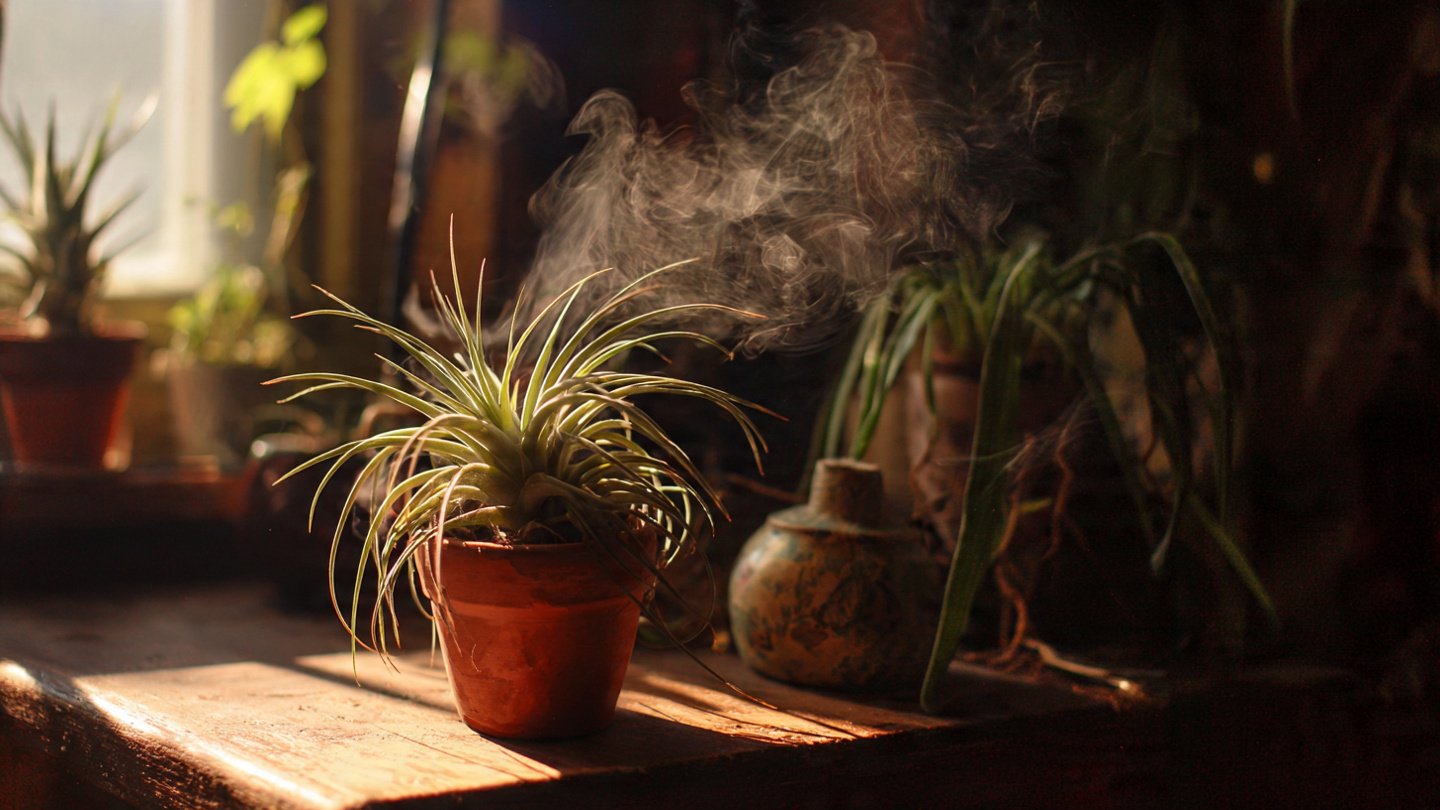
Air plants, or Tillandsia species, have become increasingly popular among plant enthusiasts for their unique appearance, low-maintenance nature, and versatility in indoor decor. Unlike most plants, air plants do not require soil to thrive; they absorb moisture and nutrients through their leaves from the surrounding air. While they are easy to care for, proper misting is essential for maintaining their health, encouraging growth, and keeping their vibrant colors. Understanding how to mist air plants correctly is key to ensuring they thrive in any environment.
Understanding Air Plant Needs
Before learning the proper misting technique, it’s important to understand how air plants absorb water. Air plants have specialized trichomes—tiny hair-like structures on their leaves—that capture moisture from the air. Unlike soil-based plants, air plants rely on environmental humidity, rainfall, or misting to meet their hydration needs.
Factors affecting air plant hydration include:
- Humidity Levels: Air plants naturally thrive in humid environments. Homes with dry air may require more frequent misting.
- Light Exposure: Bright, indirect light encourages healthy growth, but excessive light can dry out the leaves faster.
- Air Circulation: Good airflow helps prevent mold, rot, or fungal infections by drying out excess water.
Proper misting balances these factors, supplying moisture without oversaturating the plant.
Why Misting Is Important
Misting plays a crucial role in the health and growth of air plants:
- Hydration: Provides essential water for metabolic processes, photosynthesis, and nutrient uptake.
- Nutrient Absorption: Many plant enthusiasts add liquid fertilizers to misting water, which air plants can absorb through their leaves.
- Preventing Drying: Keeps leaves from drying out, curling, or developing brown tips.
- Encouraging Growth and Blooming: Well-hydrated air plants produce stronger roots, fuller leaves, and are more likely to bloom.
Misting is not just about appearance—it’s a vital care practice that impacts overall plant vitality.
Choosing the Right Misting Tools
To mist air plants effectively, selecting the right tools is essential. Here are the options:
- Spray Bottles: The most common tool. Choose a fine mist spray bottle for even coverage.
- Watering Can with Fine Nozzle: Useful for multiple plants but less precise than a spray bottle.
- Humidity Trays or Room Humidifiers: While not traditional misting, they maintain ambient moisture levels, supplementing regular misting.
Avoid using tools that produce large droplets or streams of water, as excess moisture can lead to rot.
The Best Water for Air Plants
The type of water you use for misting affects plant health. Air plants are sensitive to minerals and chemicals found in tap water:
- Rainwater: Ideal because it is naturally soft and free of chemicals.
- Distilled Water: Safe alternative if rainwater isn’t available.
- Filtered Water: Helps remove chlorine and heavy minerals that can damage leaves.
Avoid hard water or water with high levels of chlorine, as these can lead to leaf spotting, discoloration, or stunted growth.
Proper Misting Techniques
Mist air plants with care to ensure even hydration and prevent issues such as rot:
1. Frequency
The frequency of misting depends on environmental conditions:
- High Humidity (60%+): Once or twice a week is sufficient.
- Moderate Humidity (40–60%): Mist 2–3 times per week.
- Low Humidity (<40%): Daily or every other day may be necessary.
Monitor your air plants to adjust the schedule. Leaves should feel firm and not shriveled; brown or curling tips indicate underwatering.
2. Misting Method
Follow these steps for effective misting:
- Step 1: Shake or Swirl the Plant: Lightly shake the plant to remove dust or debris from leaves.
- Step 2: Hold Spray Bottle at an Angle: Aim the nozzle so water lands on leaves evenly rather than pooling at the base.
- Step 3: Mist Thoroughly: Cover all surfaces of the leaves until they are visibly moist but not dripping.
- Step 4: Allow Air Drying: Place plants in a location with good airflow to dry within 2–4 hours. Avoid leaving water sitting in the base of leaves or between tightly packed foliage.
3. Avoid Overwatering
While air plants need moisture, overwatering is a common mistake. Signs of overwatering include:
- Soft or mushy leaves
- Black or brown rotting tips
- Foul odor
To prevent overwatering, always ensure the plant dries completely after misting and reduce misting frequency in humid environments.
4. Morning Misting
Mist air plants in the morning rather than evening. This allows leaves to dry fully during daylight hours, reducing the risk of rot or fungal growth. Morning misting also mimics natural dew patterns found in their native habitats.
5. Supplementing with Soaks
Occasionally, misting may not provide enough hydration. A 20–30 minute soak once a month can give the plant a deeper water intake:
- Fill a bowl or sink with rainwater or filtered water.
- Submerge the air plant fully for 20–30 minutes.
- Remove and gently shake off excess water.
- Place the plant in a bright, ventilated area to dry completely.
This method helps flush out accumulated salts and minerals from fertilizers or tap water.
Fertilization Through Misting
Air plants benefit from occasional fertilization. Using a water-soluble, bromeliad-specific fertilizer diluted to quarter-strength, you can feed your plants during misting:
- Step 1: Add fertilizer to water according to instructions.
- Step 2: Mist leaves as usual, ensuring coverage on all surfaces.
- Step 3: Avoid over-fertilizing, which can cause leaf burn or excess residue.
Fertilizing through misting encourages strong growth, fuller foliage, and increases the likelihood of blooming.
Placement and Environmental Considerations
Proper placement enhances the effectiveness of misting:
- Light: Bright, indirect light encourages photosynthesis. Avoid direct sunlight that can scorch leaves.
- Airflow: Good circulation helps leaves dry quickly after misting.
- Temperature: Most air plants thrive between 50–90°F (10–32°C). Avoid drafts or heating vents that dry out plants too quickly.
- Grouping Plants: Grouping multiple air plants can create localized humidity, reducing the need for frequent misting.
By optimizing environmental conditions, misting becomes more efficient, and plants are less stressed.
Monitoring Plant Health
After establishing a misting routine, regularly monitor air plants for signs of health or stress:
- Healthy Leaves: Firm, slightly flexible, and vibrant in color.
- Underwatering Signs: Curling or shriveled leaves, dull color.
- Overwatering Signs: Soft, brown, or black tips, or mushy texture.
Adjust misting frequency, light exposure, or placement based on these observations to maintain optimal health.
Common Mistakes to Avoid
Even experienced plant owners can make mistakes. Avoid these common pitfalls:
- Using Hard or Chlorinated Water: Can damage leaves over time.
- Misting Too Late in the Day: Increases risk of rot due to inadequate drying time.
- Crowding Plants: Poor airflow slows drying and promotes fungal growth.
- Neglecting Seasonal Changes: Adjust misting frequency in winter or dry months when humidity is lower.
- Ignoring Leaf Health: Damaged or dying leaves should be removed to prevent disease spread.
Awareness of these mistakes ensures your misting routine supports, rather than harms, your air plants.
Benefits of Correct Misting
Proper misting has several benefits beyond hydration:
- Vibrant Foliage: Leaves remain firm, glossy, and full.
- Stronger Growth: Well-hydrated plants grow faster and develop more roots.
- Increased Blooming: Correct misting encourages flowering in species capable of blooms.
- Longevity: Healthy plants last longer and maintain aesthetic appeal.
By misting correctly, your air plants thrive and become a focal point in any indoor or outdoor space.
Conclusion
Misting is one of the most essential care practices for air plants. Understanding their unique water absorption through trichomes, choosing the right water, selecting proper tools, and using the correct techniques ensures that your plants remain healthy, vibrant, and capable of producing stunning blooms. Timing, frequency, and environmental conditions all play a role in determining how effectively misting supports growth.
By misting in the morning, ensuring complete drying, supplementing with occasional soaks, and fertilizing appropriately, you can transform your air plants into thriving, resilient specimens. Proper placement, airflow, and light exposure further enhance the benefits of misting, creating the ideal conditions for lush foliage and healthy growth.
Mastering the art of misting allows you to maintain strong, vibrant air plants that serve as a stunning natural accent in any space. With consistent care and attention to detail, your air plants will flourish, demonstrating how a simple technique like misting can have a dramatic impact on plant health, appearance, and longevity.
Whether displayed on shelves, in terrariums, or hanging from decorative arrangements, correctly misted air plants are low-maintenance yet visually striking, making them perfect for modern indoor gardening. By following these best practices, you ensure your air plants not only survive but thrive, transforming your home into a stylish, lush oasis.