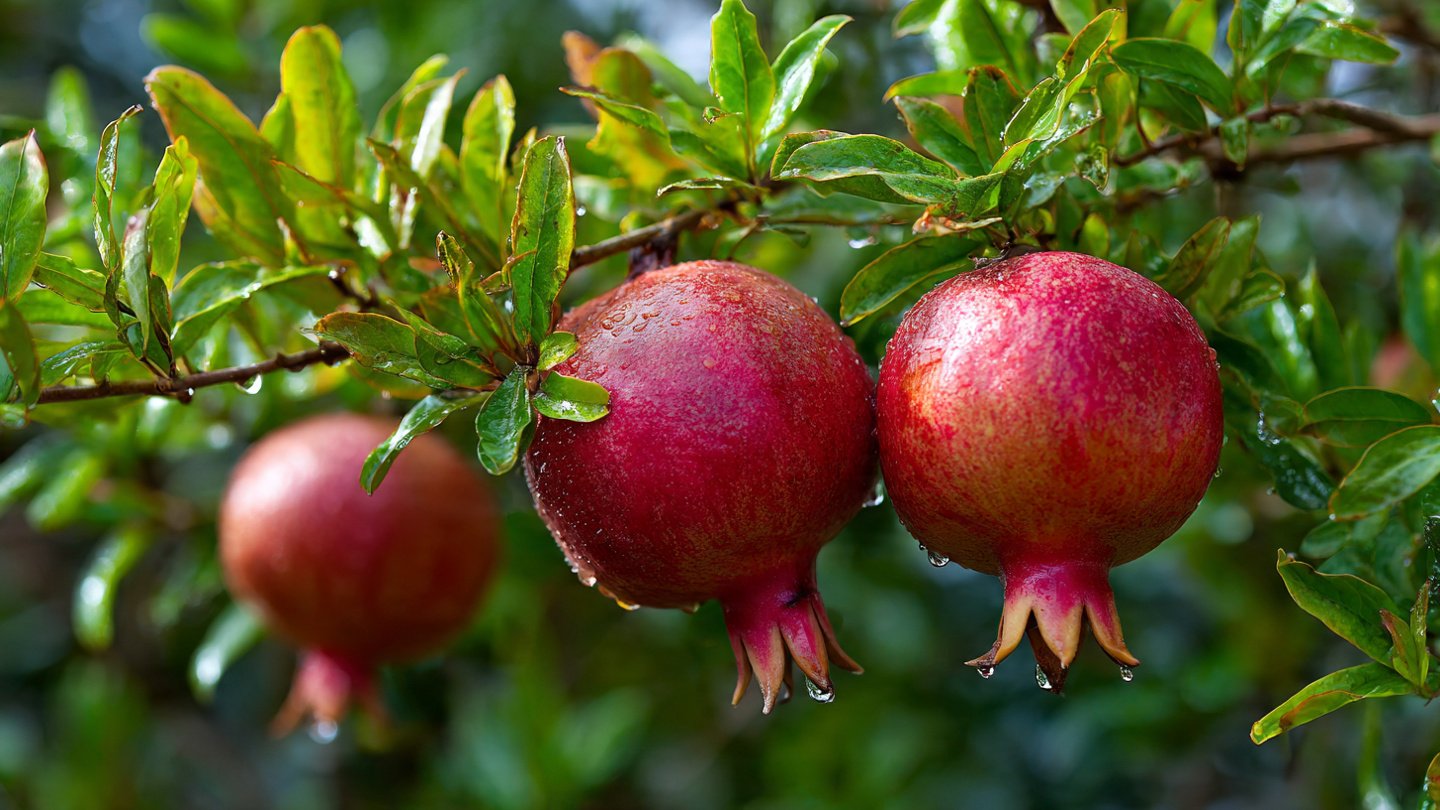
Pomegranate trees (Punica granatum) are prized for their vibrant fruits, beautiful flowers, and ornamental appeal. However, like many fruit trees, pomegranates can grow larger than intended if left unchecked, making harvesting difficult, increasing shading, and potentially stressing the tree. Learning to control the size of your pomegranate tree naturally ensures a healthy, manageable tree that produces abundant fruit while maintaining a balanced structure. This guide explores the reasons for size control, natural methods to maintain tree size, and best practices for pruning and care.
Why Controlling Pomegranate Tree Size Matters
Maintaining a manageable size for your pomegranate tree has several benefits:
- Easier Harvesting: Smaller trees make it simpler to pick fruit without ladders or excessive effort.
- Better Air Circulation: Controlling height and branch density improves airflow, reducing disease risk.
- Enhanced Sunlight Penetration: Properly pruned trees allow sunlight to reach interior branches and fruit, improving fruit quality and color.
- Reduced Stress: A well-maintained tree allocates energy more efficiently, supporting healthy growth and consistent fruit production.
- Aesthetics: Smaller, well-shaped trees integrate better into garden landscapes and avoid crowding other plants.
Controlling tree size naturally emphasizes balance, maintaining health and productivity without relying on chemical growth regulators.
Understanding Pomegranate Growth Habits
Pomegranate trees are naturally vigorous and multi-stemmed. In optimal conditions, they can grow 12–20 feet tall, with a wide spread. Growth rate varies depending on variety, climate, soil fertility, and water availability. Understanding the tree’s growth patterns is key to controlling its size effectively:
- Branching: Pomegranates produce multiple branches from the base, forming a bush-like structure.
- Fruit Formation: Fruit develops on new wood, so controlling lateral growth encourages productive branches.
- Dormancy: The tree is deciduous in cooler climates, dropping leaves in winter, which is the ideal time for pruning.
By recognizing natural growth tendencies, gardeners can apply size-control methods without stressing the tree or reducing yield.
Choosing the Right Variety
Some pomegranate varieties naturally stay smaller, making them easier to manage. Dwarf or semi-dwarf varieties are ideal for small gardens or container planting. Popular smaller varieties include:
- ‘Wonderful’: Vigorous but manageable with regular pruning.
- ‘Angel Red’: Compact with moderate height and abundant fruit.
- ‘Parfianka’: Semi-dwarf with attractive fruit and flowers.
Selecting a naturally smaller variety reduces the need for extensive size control measures and simplifies maintenance.
Natural Methods to Control Tree Size
Several natural strategies help maintain pomegranate trees at a manageable size while promoting health and fruit production.
1. Pruning
Pruning is the most effective way to control tree size. Proper pruning encourages strong structure, removes unproductive branches, and limits excessive height:
- Timing: Late winter, before new growth begins, is ideal. Pruning during dormancy minimizes stress.
- Thinning: Remove crowded or crossing branches to improve air circulation and light penetration.
- Heading Cuts: Trim tall branches back to lateral buds to control height and shape.
- Remove Water Sprouts: Water sprouts are fast-growing, vertical shoots that divert energy from fruiting branches and increase height.
Regular pruning maintains a balanced, open canopy and ensures that energy is focused on fruiting branches rather than excessive vegetative growth.
2. Root Pruning and Container Growing
If your pomegranate tree is in a pot or container, root confinement naturally limits size. Root pruning during repotting stimulates moderate growth and prevents the tree from becoming overly vigorous. Steps include:
- Gently remove the tree from the pot.
- Trim 10–20% of the root mass, focusing on long, thick roots.
- Repot with fresh soil and provide adequate water.
Container-grown trees benefit from this practice, as it maintains a manageable size without impacting fruit production significantly.
3. Water Management
Pomegranate trees respond strongly to water availability. Controlling irrigation can help manage size:
- Moderate Watering: Avoid excessive watering, which encourages rapid vegetative growth.
- Stress Regulation: Slightly limiting water during the non-fruiting season can naturally slow growth.
- Deep, Infrequent Watering: Encourages root development rather than excessive canopy growth.
Proper water management balances growth and fruit production, helping keep the tree within desired size limits naturally.
4. Fertilization Practices
Over-fertilization, especially with nitrogen-rich fertilizers, can cause excessive vegetative growth and increased height. To control tree size naturally:
- Use balanced fertilizers with moderate nitrogen.
- Apply fertilizer during early growth phases, reducing input as fruit matures.
- Incorporate organic matter like compost to provide nutrients slowly, encouraging steady growth rather than rapid spurt.
This approach ensures healthy development while preventing overgrowth.
5. Training Young Trees
Training young trees from the start is key to long-term size control:
- Single or Multiple Leaders: Decide whether you want a single-trunk or multi-trunk tree.
- Early Branch Selection: Choose 3–5 main branches to form the primary structure and remove competing shoots.
- Regular Maintenance: Continue pruning lateral branches and topping the tree to maintain a manageable height.
Early training reduces the need for drastic pruning later and establishes a strong, productive framework.
6. Mulching and Soil Management
Mulching around the base of the tree conserves moisture and regulates soil temperature. Healthy soil encourages balanced growth:
- Organic mulch, such as straw or bark, prevents excessive stress that can trigger rapid growth spurts.
- Avoid heavy fertilization combined with rich mulch that encourages uncontrolled growth.
Good soil practices complement other size-control strategies and promote tree health.
Seasonal Size Control Tips
Pomegranate trees grow most actively in spring and summer. Size control strategies are most effective when aligned with seasonal growth patterns:
- Winter: Dormant pruning is ideal; remove dead or crossing branches.
- Spring: Moderate fertilization and water management encourage fruiting rather than excessive vegetative growth.
- Summer: Light pruning of water sprouts and suckers keeps tree canopy open and manageable.
Monitoring seasonal growth ensures the tree remains within desired dimensions year-round.
Avoiding Common Mistakes
Even natural methods require attention to prevent problems:
- Over-Pruning: Removing too much foliage can stress the tree and reduce fruit yield.
- Neglecting Support: Taller trees may need staking to prevent branch breakage after pruning.
- Excess Nitrogen: Over-fertilizing causes uncontrolled growth and large, hard-to-manage trees.
- Ignoring Water Needs: Under-watering during fruiting can reduce quality and yield, while over-watering encourages excessive size.
Balancing pruning, fertilization, and irrigation ensures effective size control without compromising tree health.
Benefits of Naturally Controlling Tree Size
Maintaining a manageable pomegranate tree offers multiple advantages:
- Ease of Harvesting: Smaller, well-structured trees make picking fruit simple and safe.
- Improved Fruit Quality: Proper light penetration and airflow improve color, sweetness, and yield.
- Disease Reduction: Open canopies reduce fungal infections and pest infestations.
- Aesthetic Appeal: Neatly maintained trees enhance garden beauty.
- Sustainable Growth: Natural methods avoid chemical interventions, supporting long-term tree health.
Controlling size naturally maintains harmony between tree productivity and garden manageability.
Conclusion
Pomegranate trees are a valuable addition to any garden, providing both ornamental beauty and delicious fruit. However, left unchecked, they can grow excessively large, making maintenance and harvesting difficult. By controlling tree size naturally, gardeners can enjoy a healthy, productive tree that fits well within a garden landscape.
Key strategies include:
- Pruning during dormancy and throughout the growing season to control height and canopy density.
- Root management and container growing to limit size.
- Water and fertilization practices to prevent excessive vegetative growth.
- Training young trees to develop a strong, manageable structure.
- Mulching and soil care to maintain balanced growth.
By applying these methods consistently, pomegranate trees remain manageable, healthy, and productive. A naturally sized pomegranate tree not only simplifies harvesting but also promotes better fruit quality and reduces disease risk. With careful attention, gardeners can cultivate a flourishing pomegranate tree that enhances both their garden’s beauty and their outdoor living experience.
Ultimately, natural size control ensures your pomegranate tree thrives sustainably, providing bountiful harvests and a well-maintained, picturesque garden for years to come.