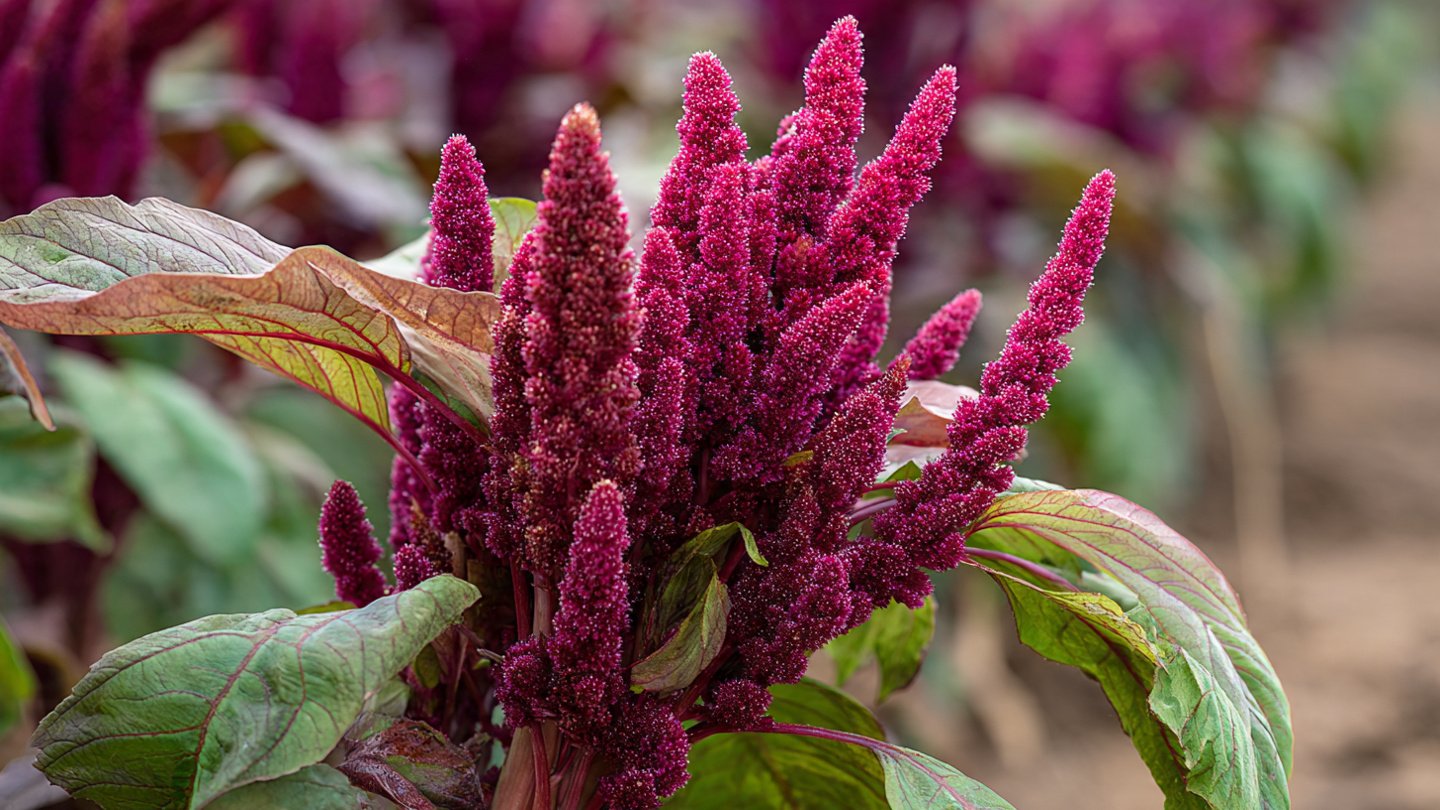
Amaranthus, commonly known as amaranth, is a versatile and striking plant celebrated for its vibrant foliage, ornamental beauty, and nutritious seeds and leaves. Gardeners are often drawn to amaranth for its rapid growth, colorful spikes, and ability to thrive in a variety of climates. However, many beginners wonder how to maximize its growth speed without compromising plant health. Fortunately, there are simple, effective methods to encourage fast, robust growth in amaranthus, whether you are cultivating it for food, decoration, or both. This guide explores the essential techniques for growing amaranthus quickly and successfully.
Understanding Amaranthus Growth
Amaranthus is an annual plant, meaning it completes its life cycle in a single season. Its growth habit is typically upright, with some varieties producing tall, flowering spikes that can reach 6 to 8 feet under ideal conditions. Leaf amaranth varieties tend to be bushier and compact, ideal for leafy harvests.
Amaranth grows best in warm weather with plenty of sunlight, adequate nutrients, and well-draining soil. Its fast-growing nature makes it popular in home gardens and commercial farming, but the key to maximizing speed lies in providing optimal environmental conditions and care.
Selecting the Right Variety
The first step to growing amaranthus fast is choosing the appropriate variety. Different species have distinct growth rates and requirements:
- Amaranthus cruentus: Known for its tall, red flower spikes; fast-growing and ideal for ornamental use.
- Amaranthus tricolor: Vibrant multicolored foliage; grows quickly and adds visual interest to gardens.
- Amaranthus caudatus: Also called love-lies-bleeding; produces cascading flowers and grows rapidly in warm climates.
- Leaf amaranth varieties: Smaller, bushy plants like A. hybridus are excellent for edible leaves and quick harvests.
Choosing a fast-growing variety suitable for your climate ensures you can achieve accelerated growth without unnecessary stress to the plant.
Starting from Seeds
Starting amaranthus from seeds is the most common method and allows for the fastest establishment. Here’s how to do it efficiently:
- Seed Preparation: Amaranth seeds are tiny and may benefit from pre-soaking in water for 4–6 hours to encourage germination.
- Sowing: Sow seeds directly in prepared garden beds or containers, lightly covering them with ¼ inch of soil.
- Temperature: Amaranth seeds germinate best in warm soil, ideally between 70°F and 85°F (21°C–29°C).
- Moisture: Keep the soil consistently moist until germination, which usually occurs within 5–10 days.
Using warm, moist soil accelerates germination and jump-starts the growth process, giving seedlings a strong start.
Soil Preparation
Amaranthus grows fastest in nutrient-rich, well-draining soil. Follow these steps for optimal soil preparation:
- Loosen the Soil: Till the garden bed or container to aerate the soil, promoting root penetration.
- Add Organic Matter: Incorporate compost or aged manure to improve fertility and structure.
- Adjust pH: Amaranth prefers slightly acidic to neutral soil, around pH 6.0–7.0.
- Fertilization: A balanced, slow-release fertilizer provides nitrogen for leafy growth, phosphorus for root development, and potassium for overall plant health.
Healthy soil not only accelerates growth but also strengthens plants against pests, diseases, and environmental stress.
Sunlight and Temperature
Amaranthus thrives in full sun, and light exposure is a critical factor for rapid growth:
- Full Sun: Ensure the plants receive at least 6–8 hours of direct sunlight daily.
- Warm Conditions: Amaranth prefers temperatures between 75°F and 90°F (24°C–32°C).
- Protection from Frost: Cold temperatures can stunt growth or kill seedlings, so plant after the last frost date in your area.
Consistent light and warmth support photosynthesis, increase energy production, and significantly accelerate growth.
Watering Practices
Proper watering is crucial for fast-growing amaranthus. Both overwatering and underwatering can slow growth. Follow these guidelines:
- Regular Moisture: Keep the soil evenly moist, particularly during germination and early growth stages.
- Avoid Waterlogging: Too much water can cause root rot and fungal problems.
- Deep Watering: Water at the base of the plant to encourage strong root development.
- Mulching: Apply a thin layer of mulch around the plants to retain moisture and regulate soil temperature.
Balanced watering ensures the plants remain healthy and can focus energy on rapid vertical and lateral growth.
Fertilization for Speed
Amaranthus is a heavy feeder, and targeted fertilization can boost growth:
- Nitrogen-Rich Fertilizer: Supports lush, leafy growth. Use nitrogen-rich fertilizers especially for leaf amaranth varieties.
- Phosphorus: Encourages strong root development and helps seedlings establish quickly.
- Potassium: Promotes overall vigor, flower development, and stress resistance.
- Liquid Fertilizer Boosts: Foliar sprays of diluted liquid fertilizer can provide immediate nutrients to accelerating growth.
Fertilizing every 2–3 weeks supports robust growth without risking nutrient burn.
Spacing and Thinning
Proper spacing allows amaranthus plants to grow quickly without competition:
- Leaf Varieties: Space 6–8 inches apart to allow airflow and leaf expansion.
- Flower Varieties: Space 12–18 inches apart to accommodate tall, upright growth.
- Thinning: Thin seedlings early to reduce overcrowding and improve light penetration.
Adequate spacing ensures each plant has access to light, water, and nutrients, accelerating overall growth.
Pruning and Pinching
Pinching the tips of amaranthus seedlings can encourage bushier growth:
- Leaf Varieties: Pinch the growing tips when plants reach 6 inches to promote branching.
- Flower Varieties: Leave vertical growth largely intact to achieve tall spikes but remove side shoots if they compete with the main stalk.
Pinching redirects the plant’s energy into lateral shoots and denser foliage, giving the appearance of faster growth.
Pest and Disease Management
Healthy plants grow faster. Protecting amaranthus from pests and diseases ensures uninterrupted growth:
- Common Pests: Aphids, caterpillars, and leaf miners can damage leaves and stunt growth. Use insecticidal soap or neem oil if infestations occur.
- Fungal Issues: Avoid overhead watering to prevent leaf spot and damping-off.
- Preventive Care: Remove weeds and debris to reduce pest habitats and fungal spores.
A proactive approach to pest and disease management minimizes stress and allows the plant to reach its growth potential.
Indoor vs. Outdoor Growth
Amaranthus can be grown indoors in containers or outdoors in garden beds:
- Indoors: Place near a sunny window or use supplemental grow lights to provide 12–14 hours of light. Ensure containers have drainage holes to prevent root rot.
- Outdoors: Sow after frost, in a sunny location with well-draining soil. Protect young plants from heavy rain or strong winds.
Indoors, growth may be slightly slower due to limited sunlight, but optimized care can still yield rapid development.
Harvesting and Encouraging Continuous Growth
For leaf amaranth, frequent harvesting encourages the plant to produce new leaves rapidly:
- Harvest Outer Leaves: Trim mature outer leaves while leaving the central growing point intact.
- Regular Pruning: Removing flower spikes in leaf varieties focuses energy on foliage.
- Succession Planting: Sow seeds every 2–3 weeks to maintain a continuous supply of fast-growing plants.
For ornamental varieties, removing dead or faded flower spikes keeps energy directed toward new growth and vibrant blooms.
Conclusion
Growing amaranthus quickly is achievable with the right combination of care techniques. By selecting a fast-growing variety, starting from quality seeds, providing optimal sunlight, water, soil, and nutrients, and managing spacing, pruning, and pest control, you can achieve rapid, robust growth. Whether you are cultivating amaranth for its colorful foliage, decorative flower spikes, or nutritious leaves, these simple methods help your plants thrive indoors or outdoors.
Consistency in care, attention to environmental conditions, and strategic fertilization ensure that your amaranthus grows tall, bushy, and vibrant, allowing you to enjoy a lush, healthy garden in record time. With these practices, even novice gardeners can unlock the full growth potential of amaranthus and create stunning indoor or outdoor displays that flourish season after season.