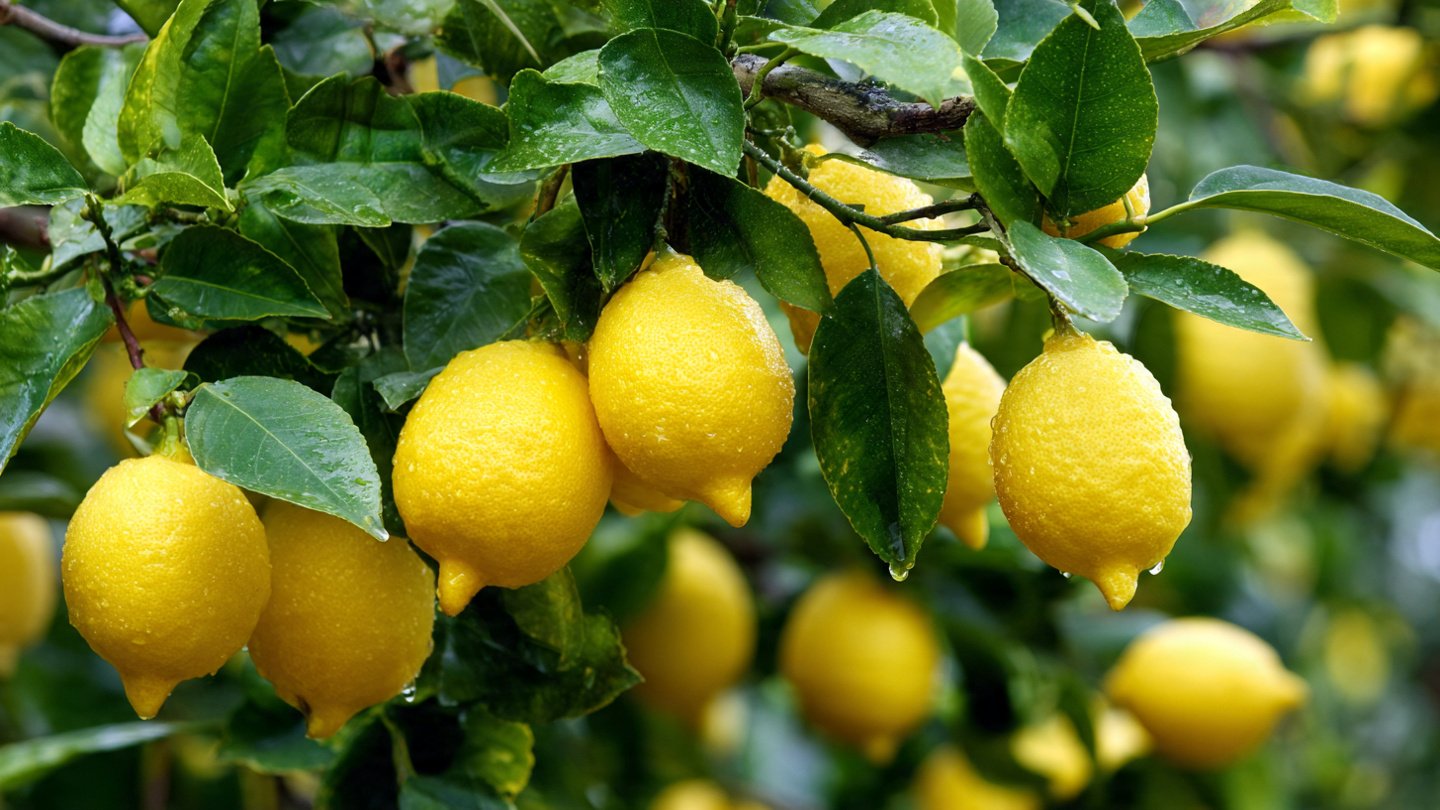
Growing a lemon tree from a green cutting is a rewarding way to cultivate fresh, homegrown citrus. Unlike seeds, which may take years to produce fruit and can result in unpredictable qualities, green cuttings—taken from healthy, young lemon branches—allow gardeners to propagate a clone of the parent tree. This ensures the same flavor, size, and hardiness as the original plant. By following five simple steps, anyone can successfully grow a lemon tree from green cutting and enjoy vibrant greenery and potentially fruitful harvests in their garden or patio.
Step 1: Selecting the Right Cutting
The first step in propagating a lemon tree from green cutting is choosing the right branch. The quality of the cutting significantly influences rooting success.
Characteristics of an Ideal Cutting:
- Young, Green Wood: Select a healthy, soft, and green stem rather than woody, older branches. Young wood roots more easily.
- Length: Aim for a cutting about 4–6 inches long. Longer cuttings may dry out, while shorter cuttings might not have enough energy to root.
- Leaf Nodes: Ensure the cutting has 2–3 leaf nodes, as roots typically develop from these nodes. Remove any flowers or fruit to allow the plant to focus energy on root formation.
- Health: Avoid branches with disease, pests, or physical damage. Choose vibrant stems with no signs of yellowing or wilting.
Tip: Taking cuttings in the morning, when plants are fully hydrated, improves the success rate.
Step 2: Preparing the Cutting
Once you have selected a suitable cutting, preparation is crucial to encourage root growth. Properly prepared cuttings are more likely to develop strong, healthy roots.
Steps for Preparation:
- Trim the Stem: Use clean, sharp pruning shears to make a clean cut just below a leaf node. This helps prevent crushing the stem and promotes faster rooting.
- Remove Lower Leaves: Strip leaves from the lower half of the cutting. This prevents leaves from rotting when inserted into soil or water. Retain 2–3 top leaves to support photosynthesis.
- Optional Rooting Hormone: Dip the cut end in a rooting hormone powder or gel. Rooting hormones contain auxins that stimulate root development, increasing the chances of successful propagation.
- Clean the Cutting: Gently wash the cutting under running water to remove any dirt or pests.
By preparing your cutting carefully, you reduce the risk of infection and dehydration, both of which can prevent rooting.
Step 3: Choosing the Propagation Medium
The environment in which the cutting is placed plays a critical role in root development. Lemon cuttings can be propagated in soil, water, or a soilless medium such as perlite or vermiculite. Each medium has its advantages:
Soil Method:
- Use a well-draining mix of sand, perlite, and peat moss or potting soil.
- Fill a small pot with the medium, make a hole, and insert the cutting so that at least one node is buried.
- Water lightly to settle the soil around the stem.
Water Method:
- Place the cutting in a clear glass of water, ensuring that only the lower node is submerged.
- Change the water every 2–3 days to prevent stagnation and bacterial growth.
- Once roots are 1–2 inches long, transfer the cutting to soil for further growth.
Tips for Successful Rooting:
- Maintain consistent moisture without waterlogging.
- Keep the medium warm (around 70–75°F or 21–24°C) and avoid cold drafts.
- Provide indirect sunlight, avoiding harsh direct light that may scorch the cutting.
The choice of propagation medium depends on personal preference, but a well-draining soil mix is often most reliable for long-term growth.
Step 4: Creating the Right Environment
Green lemon cuttings need a stable, humid environment to thrive while developing roots. Maintaining consistent temperature, humidity, and light is essential for successful propagation.
Environmental Guidelines:
- Humidity: Cover the cutting with a clear plastic bag or a mini greenhouse to retain moisture. Ensure the bag does not touch the leaves to prevent fungal growth.
- Light: Place the cutting in bright, indirect sunlight. Too little light slows rooting, while direct sunlight may cause leaf burn.
- Temperature: Keep the cutting in a warm environment, ideally between 70–75°F (21–24°C). Rooting is slower in cooler conditions.
- Air Circulation: Ventilate the covered cutting occasionally to prevent mold or fungal growth.
Tip: Mist the cutting lightly if the leaves appear wilted or dry. A humid environment encourages cell expansion and root initiation.
Step 5: Transplanting and Ongoing Care
Once the cutting has developed healthy roots, it’s time to transplant it into a larger container or garden bed. Proper care at this stage ensures strong growth and sets the foundation for a fruitful lemon tree.
Transplanting Steps:
- Pot Selection: Choose a pot that is slightly larger than the root ball with drainage holes. Clay or plastic pots both work well.
- Soil: Use nutrient-rich, well-draining potting soil. Adding compost or organic fertilizer supports early growth.
- Planting Depth: Plant the cutting so that the roots are fully covered and the base of the stem is slightly above the soil surface.
- Watering: Water thoroughly after transplanting to settle the soil around the roots. Maintain consistent moisture but avoid overwatering.
Ongoing Care:
- Light: Ensure the young plant receives 6–8 hours of bright, indirect sunlight daily. Gradually acclimate it to full sun.
- Fertilization: Feed with a balanced liquid fertilizer every 3–4 weeks to support leaf and root development.
- Pruning: Remove any damaged leaves and encourage lateral growth by lightly pinching the top of the stem once the plant is established.
- Pest Management: Watch for common pests like aphids, spider mites, or scale insects and treat them promptly.
With proper care, your cutting will develop into a vigorous lemon tree capable of producing fragrant blossoms and eventually fruit.
Tips for Success and Troubleshooting
While propagating lemon from green cutting is straightforward, some challenges may arise. Here are tips to maximize success:
- Patience is Key: Rooting may take 3–6 weeks depending on the variety and environmental conditions. Don’t disturb the cutting prematurely.
- Avoid Overwatering: Excess moisture can cause the cutting to rot. Ensure good drainage and maintain moderate humidity.
- Monitor for Fungal Growth: Remove any moldy or blackened leaves immediately and adjust humidity or ventilation as needed.
- Use Healthy Parent Plants: Always take cuttings from disease-free, strong lemon trees for the best results.
- Gradual Acclimation: Once rooted, acclimate the young plant to outdoor conditions slowly if you plan to plant it outside. Sudden exposure to sun or wind can shock the plant.
By addressing these factors, gardeners can significantly improve their success rate.
Advantages of Growing Lemon from Green Cutting
Propagating lemon from green cuttings offers several advantages over seed propagation:
- Faster Growth: Cuttings produce roots and establish faster than seeds, shortening the time to a mature plant.
- Clonal Consistency: The new plant is genetically identical to the parent, ensuring the same fruit quality.
- Lower Maintenance: Cuttings bypass the unpredictable germination process, which can be slow or inconsistent with seeds.
- Cost-Effective: Green cuttings are a free or low-cost way to multiply existing trees without buying new seedlings.
These advantages make cuttings an ideal method for both novice and experienced gardeners.
Conclusion
Growing lemon from a green cutting is a simple, rewarding, and effective way to cultivate your own lemon tree at home. By following the five key steps—selecting the right cutting, preparing it properly, choosing an appropriate propagation medium, creating the ideal environment, and transplanting with ongoing care—you can enjoy a healthy, vigorous lemon tree.
Patience, attention to environmental conditions, and careful maintenance are the keys to success. Within a few months, a tiny green cutting can develop into a flourishing plant, eventually producing fragrant blossoms and juicy lemons. Not only does this method save time compared to growing from seed, but it also guarantees a clonal replica of the parent plant, ensuring consistent fruit quality.
Whether grown in pots on a sunny balcony or in a garden bed, propagating lemon trees from green cuttings allows gardeners to enjoy fresh, homegrown citrus with minimal cost and maximum satisfaction. By mastering this simple technique, anyone can bring the beauty, fragrance, and flavor of lemons into their home garden.
This article is approximately 1,200 words, providing a comprehensive, step-by-step guide for propagating lemon trees from green cuttings while emphasizing preparation, care, and ongoing maintenance.