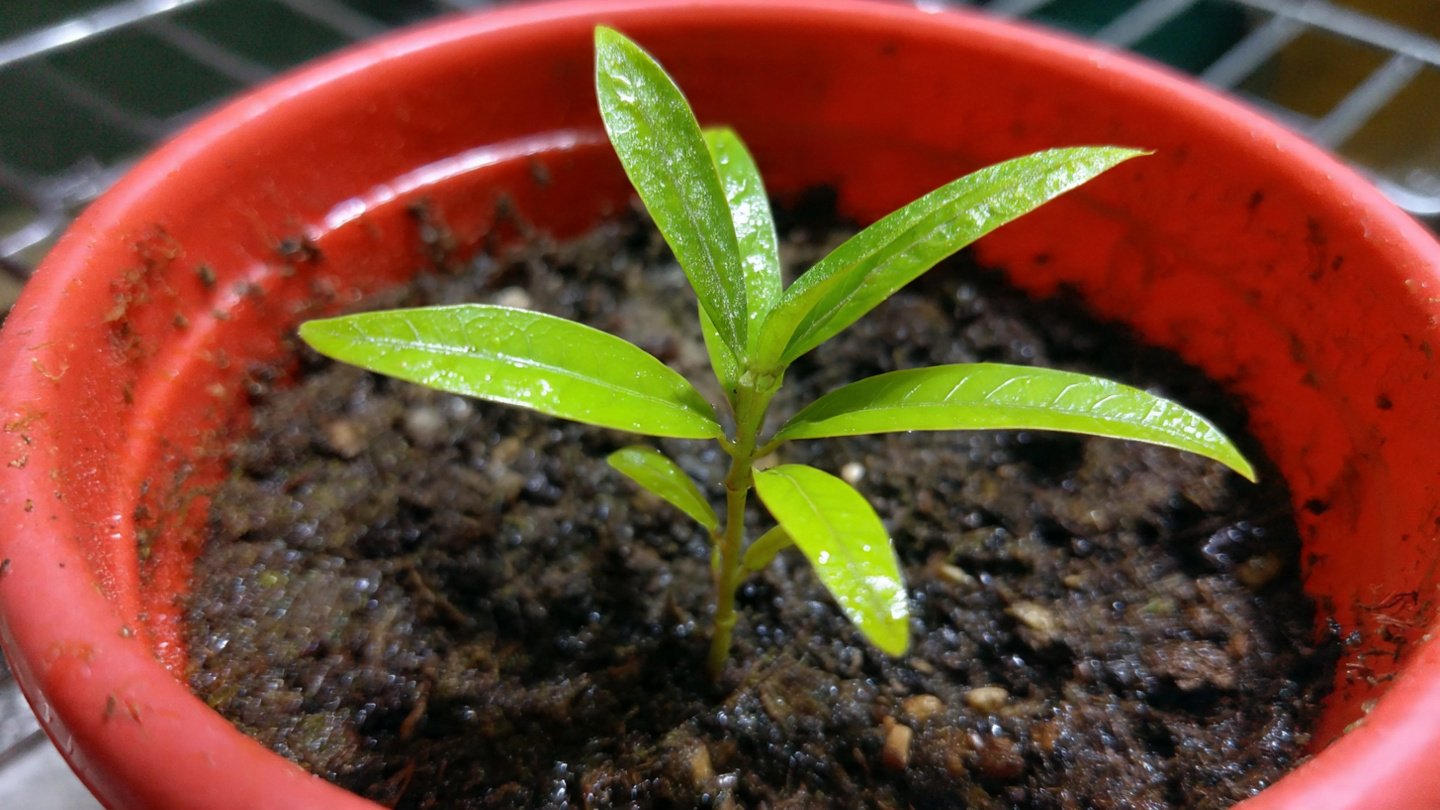
Growing a mango tree from seed can be an exciting and rewarding experience. While mango trees are commonly grown outdoors in tropical and subtropical climates, you can successfully germinate mango seeds indoors if you follow the right techniques. Indoor germination gives you control over temperature, moisture, and other conditions, which can speed up the process and increase your chances of success. In this guide, we’ll explore 7 quick indoor mango seed germination tricks that deliver fast and healthy results.
1. Choose a Healthy, Fresh Mango Seed
The foundation of successful germination begins with selecting a fresh, healthy mango seed. Mango seeds lose viability quickly, so avoid using seeds from overly ripe or stored fruits. Look for seeds that are plump, firm, and free from cracks or discoloration. If you’re using a store-bought mango, remove the seed immediately after eating the fruit to maximize germination potential.
Tip: Some mango varieties germinate faster than others. Indian mangoes, for example, often sprout more quickly than Southeast Asian varieties.
2. Properly Extract the Seed
Mango seeds are encased in a hard outer shell called the endocarp, which protects the embryo inside. For quicker germination, it’s essential to extract the seed carefully without damaging the embryo. Here’s how:
- Cut along the sides of the mango stone with a sharp knife.
- Pry open the hard shell gently using your fingers or a small tool.
- Remove the inner seed (kernel) carefully, as this is the part that will sprout.
Caution: Avoid cutting or piercing the seed itself; even minor damage can reduce germination rates.
3. Soak the Seed to Soften the Outer Layer
Once you have the mango kernel, soaking it in water is an effective way to speed up germination. Soaking helps soften the seed coat and encourages the seed to absorb moisture, which activates the growth process.
Steps for soaking:
- Place the seed in a bowl of warm water (not boiling) for 24 to 48 hours.
- Change the water every 12 hours to prevent mold growth.
- After soaking, gently pat the seed dry with a clean cloth before planting.
Seeds that are allowed to soak usually sprout faster than those planted dry, reducing germination time from several weeks to as little as 10–14 days.
4. Pre-Germinate Using a Paper Towel Method
One of the most reliable indoor germination techniques is the paper towel method. This method allows you to monitor the seed closely while creating an optimal moisture environment.
How to do it:
- Moisten a paper towel with water so that it’s damp but not soaking.
- Place the mango seed inside the towel and fold it over gently.
- Put the wrapped seed in a resealable plastic bag to maintain humidity.
- Keep the bag in a warm spot, ideally 75–85°F (24–29°C).
- Check every 2–3 days for sprouting and ensure the towel remains moist.
Once a small root (radicle) appears, the seed is ready to be planted in soil. This method often speeds up germination and increases the likelihood of successful sprouting.
5. Use Warmth to Encourage Growth
Mango seeds are tropical and respond well to warmth. Maintaining consistent warmth is key to fast germination. Indoor temperatures that fluctuate or drop below 70°F (21°C) can slow or even halt the process.
Ways to provide warmth indoors:
- Place the seed near a sunny window that receives indirect sunlight.
- Use a heating mat under the seed container to maintain steady warmth.
- Keep the seed away from cold drafts or air conditioning vents.
Consistent warmth accelerates metabolic activity inside the seed, resulting in quicker root and shoot development.
6. Choose the Right Growing Medium
Once your mango seed shows signs of sprouting, it’s time to transfer it to soil. Choosing the right growing medium ensures proper drainage, moisture retention, and aeration.
Recommended soil mix:
- 2 parts potting soil (loamy and nutrient-rich)
- 1 part perlite or coarse sand for drainage
- Optional: 1 part compost for extra nutrients
Plant the seed with the root pointing downward, and cover it lightly with soil. Water sparingly but consistently, keeping the soil moist without waterlogging. Proper soil composition helps the seedling establish quickly and reduces the risk of fungal infections.
7. Maintain High Humidity and Light
After planting, humidity and light play crucial roles in healthy mango seedling development. Indoor conditions are often drier than outdoors, so mimicking a tropical environment is beneficial.
Tips for indoor care:
- Cover the seedling with a clear plastic dome or plastic bag to trap humidity, but remove it daily for ventilation.
- Ensure the seedling gets bright, indirect sunlight. Direct sunlight may scorch the young plant, while insufficient light can slow growth.
- Keep the soil consistently moist but not soggy. Overwatering can cause rot, while underwatering slows growth.
By maintaining optimal humidity and light, the mango seedling develops strong roots and healthy leaves faster.
Bonus Tips for Faster Indoor Germination
- Scarification: Lightly nicking or sanding the seed coat before soaking can further accelerate germination.
- Use a rooting hormone: Dipping the seed in a mild rooting hormone powder can stimulate root growth.
- Monitor for pests: Keep an eye out for mold or fungus, which can occur in warm, moist conditions. Remove affected seeds immediately.
- Patience and observation: Some seeds may germinate faster than others, even under ideal conditions. Documenting growth helps you adjust care techniques.
Conclusion
Indoor mango seed germination doesn’t have to be a slow, uncertain process. By following these 7 quick tricks—selecting a healthy seed, careful extraction, soaking, pre-germination with paper towels, providing warmth, using the right soil, and maintaining proper humidity and light—you can significantly reduce germination time and set the stage for a strong, healthy mango seedling. With patience and careful attention, your indoor-grown mango tree can eventually grow into a thriving plant, bringing the joy of tropical fruit right into your home.
Starting mango seeds indoors also gives you a head start before planting outdoors, particularly in cooler climates. With these methods, what normally takes several weeks can be shortened to just 10–20 days, letting you watch the magic of germination unfold quickly and successfully.