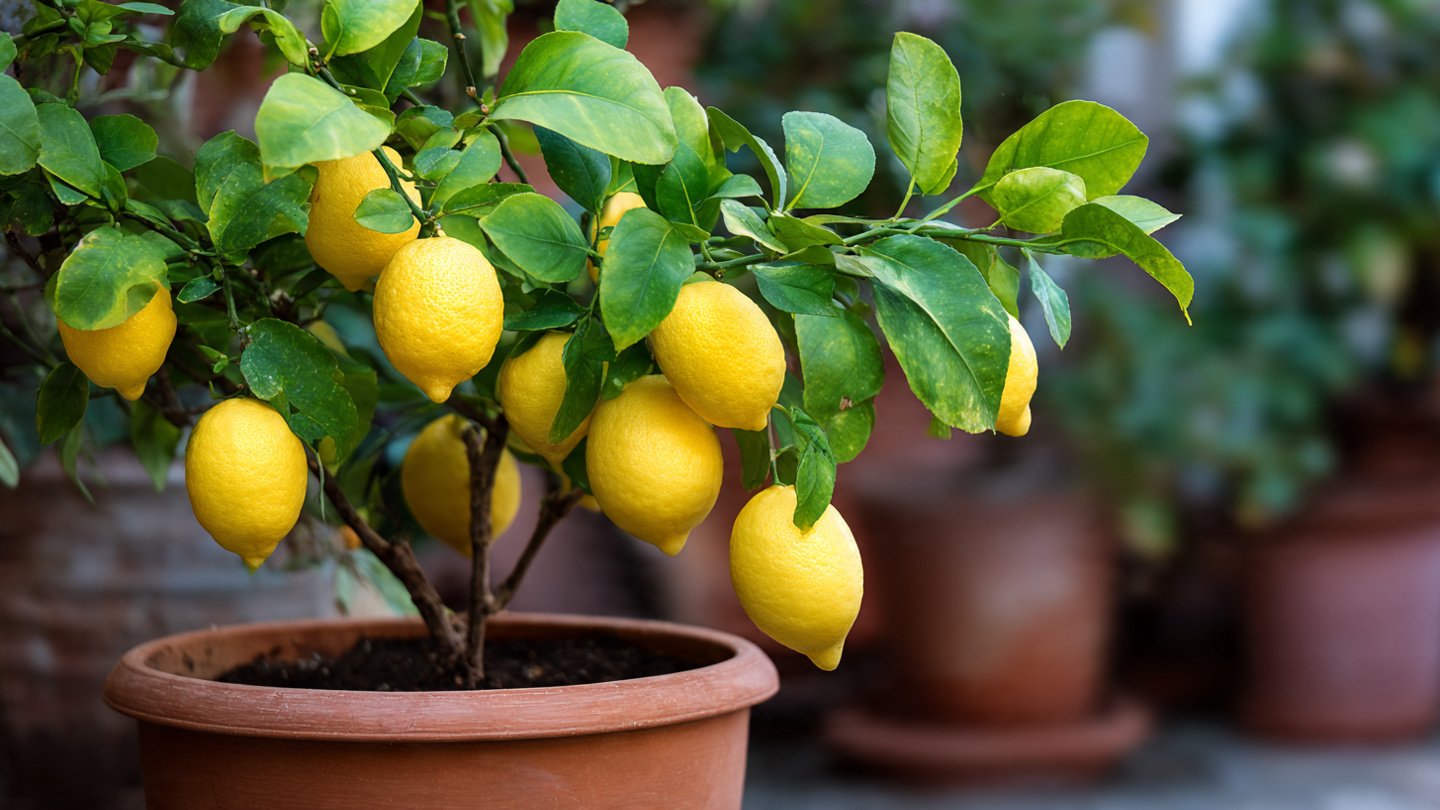
Growing a lemon tree from seeds is a rewarding and surprisingly simple journey that allows beginners to experience the full life cycle of a fruiting plant. While many gardeners choose grafted lemon trees for faster fruit production, starting from seed offers a deeper connection to the process and a strong sense of accomplishment. With patience, proper care, and realistic expectations, anyone can grow a healthy lemon tree at home, even with limited space.
The process begins with understanding what lemon seeds need in order to germinate successfully. Lemon seeds are living embryos that require moisture, warmth, and oxygen. Fresh seeds work best, so starting with a ripe, healthy lemon is important. Once the lemon is cut open, carefully remove several seeds, as not all will sprout. Rinse the seeds gently to remove pulp and sugars, which can encourage mold if left behind.
Before planting, many growers choose to soak the seeds in clean water for several hours. This softens the seed coat and helps speed up germination. Some people also peel off the outer seed coat to encourage faster sprouting, though this step is optional and should be done carefully to avoid damaging the seed inside. Even without peeling, lemon seeds are generally easy to germinate when conditions are right.
Choosing the right growing container is the next step. A small pot with drainage holes is ideal for beginners. Proper drainage prevents excess water from sitting around the roots, which can cause rot. Fill the pot with a light, well-draining growing medium. A mix designed for citrus or general seed starting works well. The soil should be moist but not soaked before planting.
Plant the lemon seeds about one to two centimeters deep in the soil. Cover them lightly and gently press the surface to ensure good contact between seed and soil. After planting, water lightly and place the pot in a warm location. Lemon seeds germinate best in temperatures between twenty and twenty five degrees Celsius. Warmth is more important than light at this stage, so a bright windowsill or warm indoor spot works well.
Germination can take anywhere from one to three weeks. During this time, it is important to keep the soil consistently moist but never waterlogged. Overwatering is one of the most common beginner mistakes. If the soil feels damp to the touch, additional water is not needed. Covering the pot loosely with plastic wrap or a humidity dome can help retain moisture, but it should be removed once sprouts appear.
Once the seedlings emerge, light becomes essential. Lemon trees love sunlight and need several hours of bright light each day. A sunny window that receives direct sunlight is ideal. If natural light is limited, a grow light can provide the necessary brightness. Without enough light, seedlings may grow tall and weak instead of sturdy and compact.
As the lemon seedling grows, it will begin developing true leaves. At this stage, gentle care is key. Water the plant when the top layer of soil feels dry, allowing excess water to drain freely. Avoid letting the plant sit in standing water. Good airflow around the plant helps prevent fungal problems and strengthens the stem.
Lemon trees grown from seed are slow growers, especially in the first year. This slow pace is normal and should not be discouraging. The plant is focusing on building a strong root system and healthy structure. During this time, patience is essential. Avoid the temptation to over fertilize, as too many nutrients can damage young roots. A diluted citrus fertilizer can be introduced after several months, once the plant is well established.
As the tree grows larger, it will eventually need to be repotted. Choose a pot that is only slightly larger than the previous one. Gradual pot increases help prevent water retention issues and encourage healthy root growth. Each time you repot, use fresh, well-draining soil and handle the roots gently.
Temperature plays an important role in lemon tree health. Lemon trees prefer warm conditions and do not tolerate frost. If grown outdoors, they should be brought inside during cold weather. Indoor lemon trees benefit from stable temperatures and protection from cold drafts. Consistency helps the plant thrive and reduces stress.
Humidity is another factor to consider, especially indoors. Lemon trees appreciate moderate humidity levels. In dry environments, occasional misting or placing a tray of water near the plant can help maintain moisture in the air. Healthy humidity supports leaf development and overall plant vigor.
One of the most important things for beginners to understand is that lemon trees grown from seed take time to produce fruit. It can take several years, sometimes five or more, before the tree flowers and sets fruit. Additionally, seed grown lemon trees may not produce fruit identical to the parent lemon. However, the experience of nurturing a tree from seed to maturity remains deeply satisfying.
Pruning becomes relevant as the lemon tree matures. Light pruning helps shape the tree, encourages branching, and removes weak or damaged growth. Pruning should be done carefully and sparingly, especially in the early years. A balanced structure allows better light penetration and airflow, supporting long-term health.
Pests can occasionally appear, particularly when lemon trees are grown indoors. Common issues include aphids, spider mites, and scale insects. Regularly inspecting leaves and stems helps catch problems early. Most pests can be managed with gentle methods such as washing leaves with water or using natural insecticidal solutions.
Flowering is an exciting milestone in the lemon tree journey. When conditions are right, the tree produces fragrant white blossoms. These flowers may self pollinate indoors, but gentle hand pollination using a soft brush can increase success. Not all flowers will become fruit, and some may drop naturally, which is normal.
When fruit does develop, it requires time and consistent care to mature. Lemon fruits can take several months to fully ripen. During this period, the tree needs adequate light, water, and nutrients. Avoid sudden changes in environment, as stress can cause fruit drop.
Harvesting lemons grown from your own tree is incredibly rewarding. Ripe lemons are firm, brightly colored, and slightly soft when gently squeezed. Harvest by cutting the fruit from the branch rather than pulling it off, which can damage the plant.
Growing a lemon tree from seeds teaches patience, observation, and respect for natural growth cycles. It transforms a simple kitchen ingredient into a long-term companion plant that can thrive for years with proper care. Even before fruiting, the glossy green leaves and citrus scent add beauty and freshness to any space.
For beginners, the key to success lies in consistency rather than perfection. Providing light, warmth, moderate water, and time allows the lemon tree to grow at its own pace. Mistakes may happen along the way, but each one offers valuable lessons.
In the end, growing a lemon tree from seeds is about more than harvesting fruit. It is about building confidence as a gardener, understanding plant needs, and enjoying the process of growth. With dedication and gentle care, a tiny seed can become a thriving tree, offering not only lemons but also pride, joy, and a lasting connection to nature.