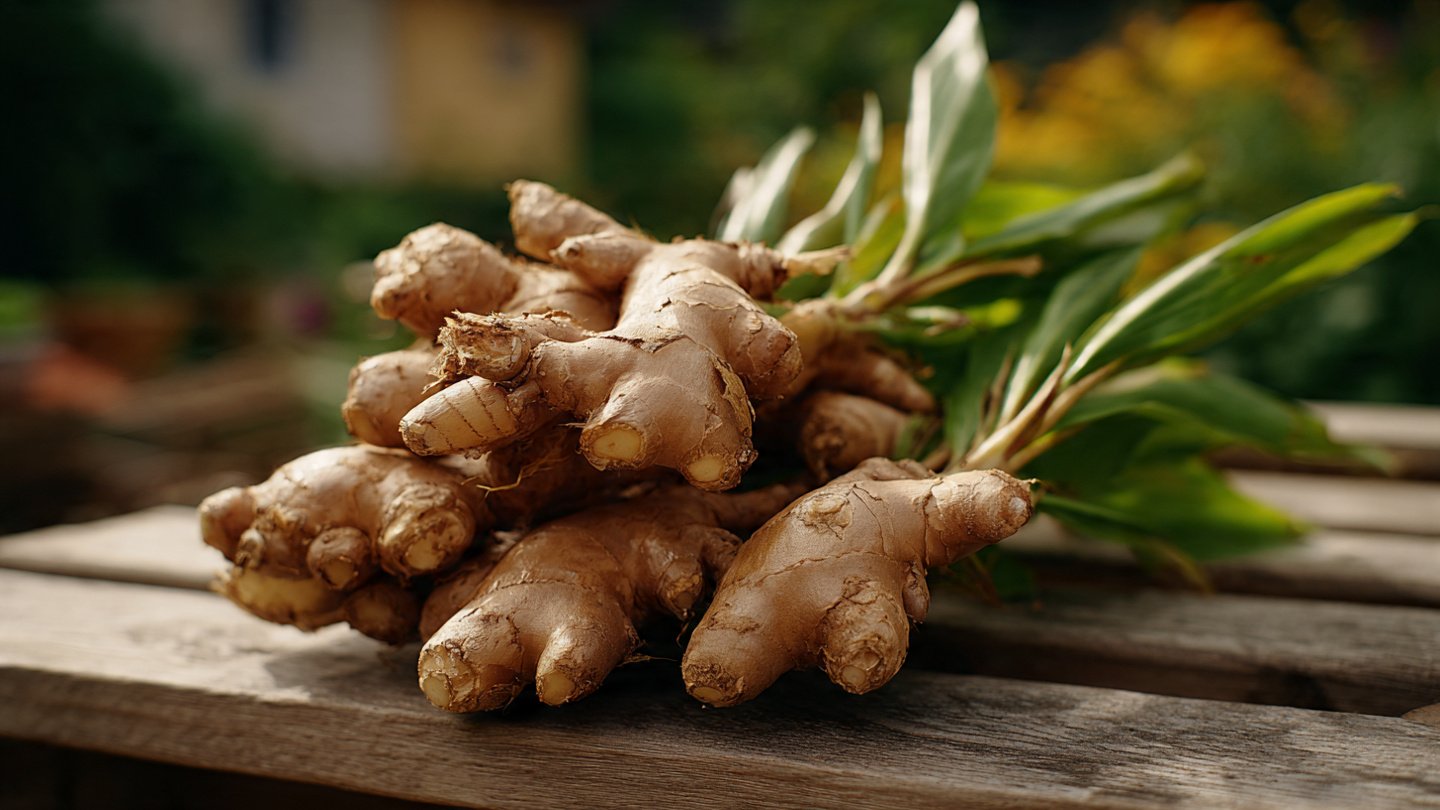
Ginger is one of the most versatile and beloved plants for home gardeners. Known for its aromatic, spicy rhizomes, ginger is used in cooking, baking, teas, and even natural remedies. Growing ginger at home can be surprisingly easy, even for beginners, and it offers the satisfaction of harvesting fresh, flavorful rhizomes right from your kitchen or garden. With the right knowledge and a little care, you can enjoy a bountiful harvest that outshines store-bought ginger in freshness and flavor. This guide provides a beginner-friendly approach to successfully growing ginger at home for a large, healthy yield.
Understanding Ginger Growth
Ginger, scientifically known as Zingiber officinale, is a tropical perennial that grows from underground rhizomes rather than seeds. The part we use in cooking is the rhizome, which stores nutrients and energy for new growth. Understanding the plant’s natural growth habit is essential for creating ideal conditions at home.
Ginger prefers warm, humid conditions and indirect sunlight. It grows best in rich, well-draining soil that retains moisture without becoming waterlogged. While it can grow outdoors in tropical or subtropical climates, ginger is also well-suited to container cultivation, making it accessible for gardeners in cooler regions.
Choosing the Right Ginger Rhizome
The first step to growing ginger at home is selecting healthy rhizomes. Choose plump, firm pieces with visible “eyes” or growth buds. These are small knobs or tips from which shoots will sprout. Avoid rhizomes that are shriveled, moldy, or soft, as they may not grow successfully. Organic ginger from a nursery or local garden center is ideal, but store-bought ginger can work as long as it is fresh and untreated with growth inhibitors.
Breaking the rhizome into smaller pieces with at least one or two eyes each allows you to plant multiple sections and maximize yield. Allow the cut pieces to dry for a few hours or overnight to form a protective callus, which helps prevent rotting after planting.
Selecting Containers or Garden Beds
Ginger grows well in containers, raised beds, or garden soil with good drainage. For container gardening, choose wide, shallow pots rather than deep narrow ones, as ginger rhizomes spread horizontally. Containers should have drainage holes to prevent waterlogging.
If planting in the garden, select a location with rich, loose soil that drains well. Avoid heavy clay or compacted soils unless amended with sand or organic matter. Raised beds are particularly effective for improving drainage and preventing water accumulation.
Soil Preparation
Ginger thrives in nutrient-rich, loose soil. Prepare a mix of potting soil and compost, or garden soil enriched with well-rotted manure. Adding organic matter improves moisture retention, nutrient availability, and soil structure. Aim for slightly acidic to neutral soil with a pH of 5.5 to 6.5.
Good soil preparation ensures strong root development, which directly influences the size and quality of the harvested rhizomes. Avoid heavy fertilization initially, as it can encourage excessive leaf growth while reducing rhizome development.
Planting Ginger
Planting ginger is simple and beginner-friendly. Place each rhizome piece with the eyes facing up, about one to two inches below the soil surface. Space rhizome pieces at least six inches apart in containers or garden beds to allow room for spreading.
After planting, water the soil lightly to settle it around the rhizome. Keep the soil consistently moist, but not soggy, during the initial growth phase. Ginger sprouts slowly, and it may take two to four weeks for shoots to appear, depending on temperature and conditions.
Light Requirements
Ginger prefers indirect sunlight or partial shade. While it tolerates some morning sun, intense afternoon sunlight can scorch leaves, especially in hot climates. Indoors, place containers near a bright window with filtered light. Outdoors, provide dappled shade or use shade cloth if sunlight is strong. Adequate light encourages healthy foliage, which supports rhizome growth below the soil.
Watering and Humidity
Consistent moisture is critical for ginger. The soil should remain damp, similar to a wrung-out sponge, but never waterlogged. Overwatering can cause rhizome rot, while under-watering slows growth.
Ginger also benefits from moderate humidity. Indoor growers can increase humidity by placing containers on trays filled with water and pebbles or by misting leaves regularly. In tropical climates, natural humidity is usually sufficient.
Fertilization and Feeding
Ginger is a moderate feeder that benefits from periodic fertilization. Use a balanced, organic fertilizer or compost tea every four to six weeks during the growing season. Fertilizers high in potassium are particularly beneficial for rhizome development, as potassium supports strong root growth and larger harvests.
Avoid over-fertilizing with nitrogen-heavy fertilizers, which can encourage excessive leaf growth while reducing the size and quality of the rhizomes. Light, steady feeding throughout the season produces optimal results.
Pruning and Leaf Care
Pruning is minimal for ginger, but removing yellow or damaged leaves helps redirect the plant’s energy to healthy rhizomes. Regularly check for pests, such as aphids or spider mites, and remove any affected foliage promptly. Healthy leaves ensure efficient photosynthesis, which drives rhizome growth below the soil.
Ginger leaves can also be harvested for culinary use while the plant is growing. They add flavor to teas, soups, and stir-fries without harming the plant, as long as harvesting is moderate.
Harvesting Ginger
Ginger can be harvested gradually or all at once. Young ginger, with thin skin and tender flavor, can be harvested about four to six months after planting. For larger, mature rhizomes, allow the plant to grow eight to ten months or even longer in tropical climates.
To harvest, carefully loosen the soil around the rhizome and lift it from the container or garden bed. Avoid damaging the remaining rhizomes, as they can continue producing new shoots for future harvests. After harvesting, trim leaves and store rhizomes in a cool, dry place. Fresh ginger can also be refrigerated or frozen for long-term use.
Propagation for Continuous Growth
Ginger is easy to propagate using the same planting method. Simply save a portion of the harvested rhizome with at least one eye and replant it in fresh soil. This method allows gardeners to maintain a continuous supply of ginger year-round. Containers can be rotated or relocated to optimize light and temperature, ensuring consistent growth.
Tips for Maximizing Yield
Several simple practices can increase ginger yield:
- Use wide containers: Give rhizomes room to spread horizontally for larger harvests.
- Maintain consistent moisture: Avoid letting soil dry out completely, especially during active growth.
- Provide partial shade: Prevent leaf scorch while ensuring sufficient light for photosynthesis.
- Feed moderately: Balanced fertilization supports rhizome development without excessive leaf growth.
- Control pests: Regularly inspect and remove pests to maintain healthy foliage.
- Avoid disturbing rhizomes: Minimize soil disruption to prevent damage and stress to the plant.
Benefits of Growing Ginger at Home
Home-grown ginger offers several advantages over store-bought varieties. Freshly harvested rhizomes are more flavorful, aromatic, and tender than imported ginger. Growing your own ginger eliminates exposure to pesticides and allows you to enjoy organic, chemical-free produce. In addition, cultivating ginger at home adds beauty to gardens or indoor spaces, as its lush green foliage creates a tropical, decorative effect.
Growing ginger in containers or garden beds also allows year-round production. Indoor growers can maintain warm, humid conditions even during colder months, while outdoor gardeners in tropical regions may harvest multiple times annually. With minimal effort, ginger becomes a sustainable, self-renewing source of fresh, high-quality rhizomes.
Conclusion
Growing ginger at home is easy, rewarding, and beginner-friendly. By selecting healthy rhizomes, preparing nutrient-rich soil, providing indirect sunlight, and maintaining consistent moisture, gardeners can achieve a big, fresh harvest. Regular feeding, minimal pruning, and careful pest management further support healthy growth and larger rhizomes.
Whether grown in containers indoors or in garden beds outdoors, ginger thrives under the right conditions and provides a reliable source of aromatic, flavorful rhizomes year-round. With patience and proper care, even first-time gardeners can enjoy the satisfaction of harvesting their own ginger, adding fresh flavor and nutrition to countless recipes. Following this simple guide ensures a successful, productive ginger-growing experience, unlocking the full potential of this remarkable plant.