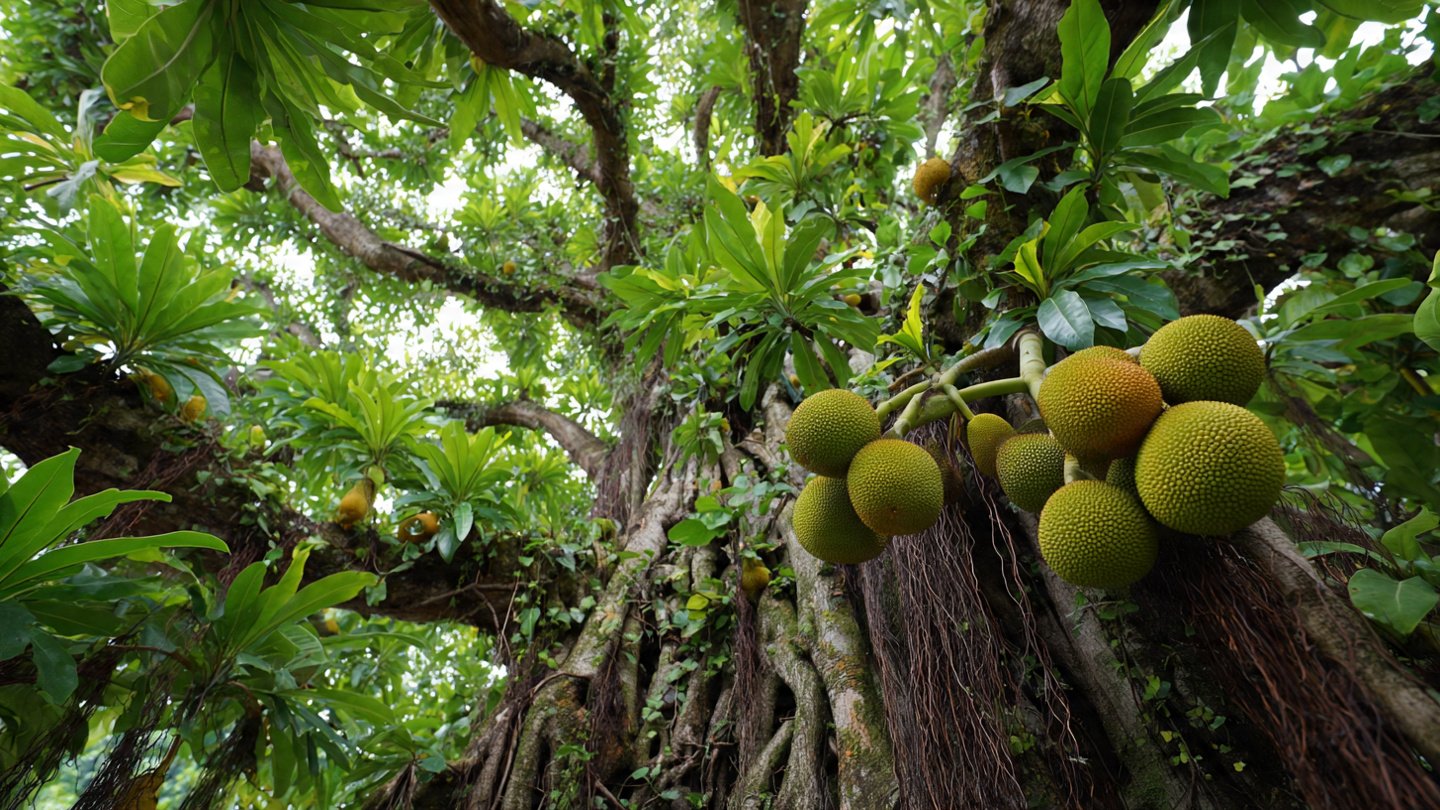
Jackfruit Tree Grafting | Fast & Easy Guide for Home Gardeners
Jackfruit, known scientifically as Artocarpus heterophyllus, is a tropical fruit tree valued for its enormous, sweet, and nutritious fruits. Native to South and Southeast Asia, it has gained popularity worldwide for its versatility in cooking, nutritional benefits, and impressive yield. Growing jackfruit trees from seeds is common, but home gardeners often face challenges with seed-grown trees, such as delayed fruiting, variable fruit quality, and unpredictable tree growth. Grafting provides a faster, more reliable method to propagate jackfruit, producing trees that bear high-quality fruits within a shorter time frame. This guide offers a complete, step-by-step approach to jackfruit tree grafting, tailored for home gardeners seeking success in their own gardens.
Understanding the basics of grafting is crucial before attempting it on a jackfruit tree. Grafting is a horticultural technique that joins a branch or bud from a desired plant variety, called the scion, onto a compatible rootstock, creating a single, unified plant. The scion contributes the fruiting characteristics, while the rootstock provides a strong, healthy root system. Grafting combines the best qualities of both components, producing a tree that matures faster, resists disease, and yields fruits similar to the parent variety. For jackfruit, common grafting methods include cleft grafting, veneer grafting, and approach grafting. Each method has advantages depending on the gardener’s experience, tree size, and resources.
Selecting appropriate rootstock is the first step in a successful jackfruit grafting process. Rootstock is usually grown from seeds of jackfruit trees known for their vigorous growth, disease resistance, and adaptability to local soil and climate conditions. A healthy rootstock should be approximately one year old, with a strong main stem, well-developed root system, and a diameter that matches the scion to ensure compatibility. Choosing rootstock from a healthy, disease-free tree reduces the risk of graft failure and ensures robust tree growth after grafting.
The scion selection process is equally important. The scion is typically a young branch or bud from a mature jackfruit tree that has desirable fruit characteristics, such as flavor, size, and yield. Scions should be cut from healthy, pest-free branches that are one to two years old, with at least three to five buds. The diameter of the scion must closely match the diameter of the rootstock for successful cambium alignment, which is critical for the graft to take. Freshly collected scions, stored in moist conditions until grafting, increase the likelihood of success.
Before grafting, preparing both the rootstock and scion properly is essential. For cleft grafting, which is commonly used in jackfruit trees, the rootstock is cut about 6 to 12 inches above the soil to create a clean, horizontal surface. A vertical slit is then made in the center of the cut stem to receive the scion. The scion is trimmed into a wedge shape, allowing it to fit snugly into the slit. Proper alignment of the cambium layers, which are the thin green layers just beneath the bark, ensures successful vascular connection between rootstock and scion. Misalignment reduces the chance of grafting success.
Once the scion is positioned in the rootstock slit, securing the graft is the next step. Use grafting tape, rubber bands, or plastic strips to hold the scion firmly in place. Wrapping the union prevents movement, protects the graft from drying out, and helps maintain moisture. In addition, covering the exposed area with grafting wax or sealant minimizes the risk of infection and desiccation. Proper wrapping and sealing are critical, as environmental stress or pests can compromise the graft union before it fully heals.
Aftercare is a crucial phase for grafted jackfruit trees. The grafted plant should be placed in a shaded, protected environment for the first two to three weeks to prevent excessive sunlight and wind from stressing the graft. Maintaining consistent moisture in the soil, without overwatering, encourages rootstock and scion integration. Monitoring for pests, such as aphids or ants, and fungal infections, which can weaken the graft, ensures better survival rates. As the graft union heals, gradually acclimate the plant to full sunlight to promote strong vegetative growth and prepare it for outdoor planting.
Timing plays an important role in jackfruit grafting success. The best period for grafting typically coincides with the active growth phase of the tree, which is usually in the spring or early summer when sap flow is robust. Active growth encourages faster healing and reduces the risk of graft failure. Avoid grafting during dormant periods, excessive heat, or heavy rainfall, as these conditions can negatively affect scion survival and rootstock healing.
Aftercare continues even after the graft has taken. Once the scion shows signs of growth, usually within three to six weeks, the supporting wrap can be removed. Regular monitoring, light pruning of competing shoots, and proper watering support the newly grafted tree’s development. Fertilization with balanced, slow-release fertilizer encourages healthy vegetative growth, which is essential for future flowering and fruiting. Avoid excessive nitrogen, as it may stimulate leafy growth at the expense of flower development.
Grafted jackfruit trees typically bear fruit faster than seed-grown trees. While seed-grown trees may take seven to ten years to produce fruit, grafted trees can start fruiting within three to five years, depending on the variety and environmental conditions. This accelerated fruiting is one of the main advantages of grafting, allowing home gardeners to enjoy high-quality jackfruit sooner. Selecting high-yielding, disease-resistant scions ensures consistent fruit quality over multiple seasons.
Pruning and shaping grafted jackfruit trees are essential to support structural development and fruiting. Regular pruning removes weak or crossing branches and directs energy toward fruit-bearing shoots. Maintaining an open, well-spaced canopy improves light penetration, air circulation, and overall plant health. Pruning also prevents the grafted tree from becoming too dense, reducing the risk of fungal infections and making harvesting easier when fruits develop.
Pest and disease management is another critical aspect for grafted jackfruit trees. Common pests include fruit flies, mealybugs, and borers, while fungal diseases such as anthracnose or powdery mildew may affect foliage and young fruits. Implementing integrated pest management practices, including monitoring, manual removal, organic sprays, and maintaining proper hygiene around the plant, helps reduce damage and supports healthy fruit development. Strong rootstock and grafted scions generally offer better resistance to environmental stress and diseases compared to seed-grown plants.
Mulching around the base of the grafted jackfruit tree is beneficial for moisture retention, weed suppression, and temperature regulation. Organic mulches such as straw, dried leaves, or wood chips provide nutrients as they decompose and create a favorable microenvironment for root development. Mulching is particularly helpful during the establishment phase of the grafted tree, ensuring stable soil conditions and reducing water stress.
Grafting offers flexibility for home gardeners who wish to experiment with different jackfruit varieties. Multiple grafts can be performed on a single rootstock, allowing a single tree to bear different fruit varieties. This technique is particularly useful for small gardens or urban spaces, maximizing yield and diversity from limited planting areas. Proper planning, careful alignment, and consistent care are essential when attempting multiple grafts on a single tree.
In addition to cleft grafting, other techniques such as veneer grafting and approach grafting may be used for jackfruit, depending on the gardener’s preference and the size of the rootstock. Veneer grafting involves placing a scion along the side of the rootstock, secured with tape, while approach grafting joins two plants while they are both rooted until the union is successful. Each method requires careful cambium alignment, proper securing, and attentive aftercare to achieve a successful graft.
Home gardeners should also consider environmental factors for grafted jackfruit trees. Jackfruit thrives in tropical and subtropical climates, with full sun, warm temperatures, and well-draining soil. While grafting accelerates fruiting, proper environmental management, including irrigation, fertilization, and protection from strong winds or frost, is essential for optimal growth and fruit yield. By combining grafting techniques with good horticultural practices, gardeners can achieve robust trees that flourish for many years.
In conclusion, jackfruit tree grafting provides a fast, reliable, and effective method for home gardeners to cultivate high-quality fruit in less time than seed-grown trees. Success relies on careful selection of rootstock and scion, precise grafting techniques, proper timing, and diligent aftercare. Ensuring proper alignment, securing the graft, protecting the plant during the healing phase, and maintaining consistent watering, fertilization, and pruning routines all contribute to a thriving grafted tree. Grafting not only accelerates fruiting but also produces predictable fruit quality, enhances disease resistance, and allows the cultivation of multiple varieties on a single tree. By following these step-by-step guidelines, home gardeners can enjoy the satisfaction of growing jackfruit efficiently, producing lush, productive trees that yield delicious, tropical fruits for years to come.