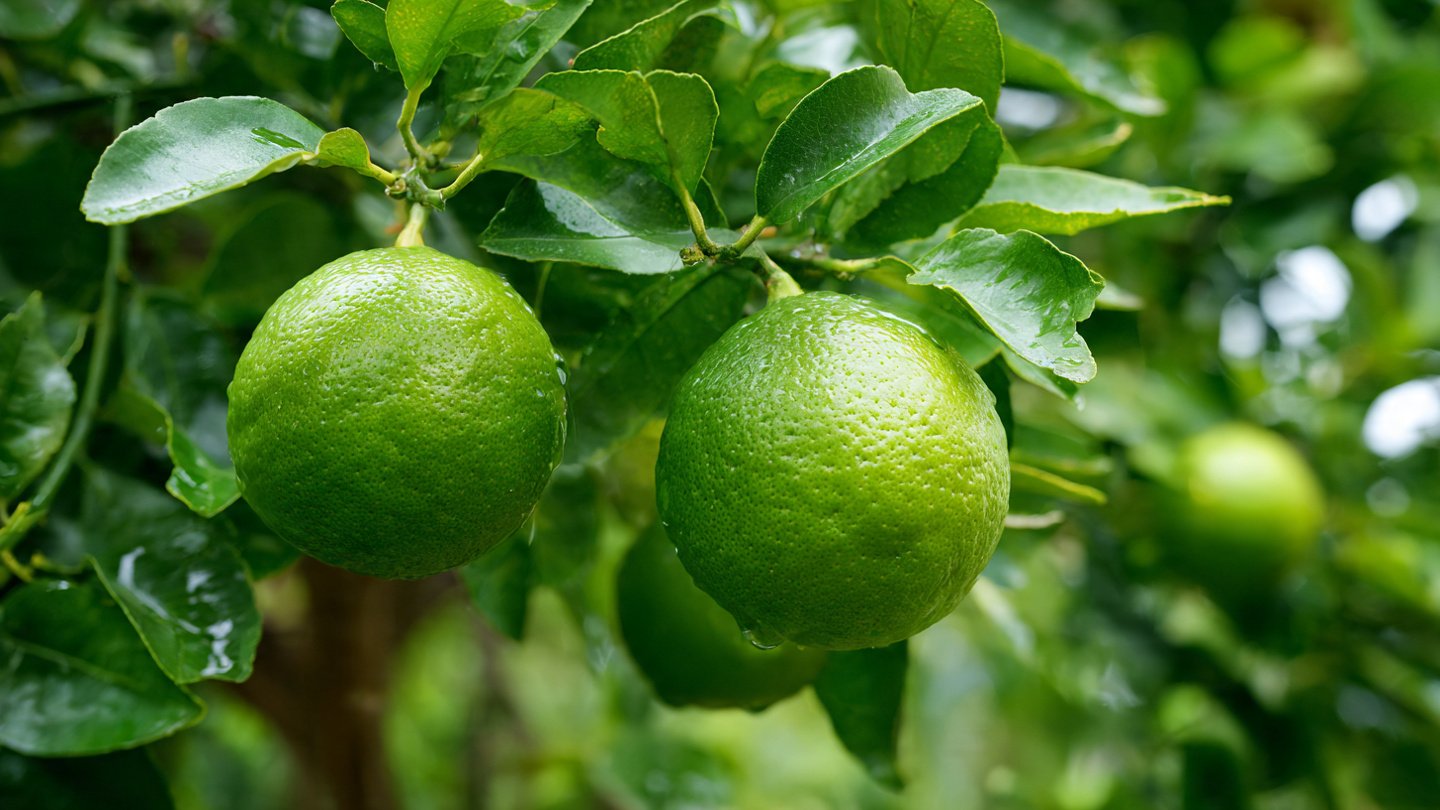
Lime trees are among the most rewarding fruit trees to grow, providing fragrant blossoms, vibrant foliage, and a steady supply of tangy, vitamin-rich fruits. However, like all citrus trees, achieving maximum growth and high fruit production requires careful care and occasional advanced horticultural techniques. One such method is top working, a process used by expert gardeners and professional growers to rejuvenate trees, combine desirable traits, and increase fruit yields. In this guide, we’ll explore everything you need to know about lime tree top working, from the basics and methods to expert tips for achieving amazing growth and fruit production.
What Is Lime Tree Top Working?
Top working is the horticultural practice of grafting new shoots, buds, or branches onto an existing tree. Essentially, it allows you to change the variety of a tree, improve productivity, or rejuvenate an aging plant without starting from scratch. For lime trees, top working can:
- Replace unproductive or poorly yielding branches with high-yielding varieties.
- Combine multiple lime varieties on a single tree for extended harvests or varied flavors.
- Repair damaged or diseased sections of the tree.
- Accelerate fruit production compared to planting a new tree.
By using top working techniques, gardeners can ensure vigorous growth, strong branches, and abundant, high-quality fruit.
Understanding Lime Tree Growth
Before attempting top working, it’s essential to understand how lime trees grow:
- Root System: Lime trees have fibrous roots that support strong anchorage and nutrient uptake.
- Branching Pattern: Trees develop lateral branches from main trunks, which are ideal for grafting points.
- Fruit Development: Limes typically take 6–12 months from flowering to mature fruit, depending on variety and climate.
- Pruning Response: Regular pruning stimulates new growth and creates healthy, open structures for light penetration.
Understanding these growth habits helps identify the best grafting points and ensures successful top working.
Types of Top Working Techniques
Several grafting methods can be applied to lime trees, each with its own advantages:
- Cleft Grafting:
- Ideal for large branches.
- Involves splitting a branch and inserting the scion (new shoot).
- Provides strong union and rapid integration with the existing tree.
- Budding (T-Budding or Patch Budding):
- Involves inserting a single bud from the desired variety into the rootstock.
- Works well for smaller branches or young trees.
- Requires precision and care to ensure bud growth.
- Whip-and-Tongue Grafting:
- Common for young trees or nursery stock.
- Involves interlocking the scion and rootstock for a secure graft.
- Ensures good vascular connection for nutrient transfer.
- Side Veneer Grafting:
- Used for lateral branches.
- Scion is inserted along the side of a branch rather than the tip.
- Effective for changing branch variety without removing the main branch.
Choosing the right method depends on tree age, branch size, and your experience level.
Timing Is Key
Successful top working depends on timing. Lime trees are more receptive to grafts during active growth periods.
- Spring and Early Summer: Best time for most grafting because sap flow is active, and new growth is vigorous.
- Avoid Dormancy: Grafting during winter or extremely hot summer months reduces success rates.
- Weather Considerations: Ensure stable temperatures and avoid heavy rainfall immediately after grafting, as excessive moisture can cause rotting.
By grafting at the optimal time, you increase the chances of a strong union and successful fruiting.
Preparing the Rootstock
The existing lime tree, or rootstock, must be carefully prepared for top working:
- Select Healthy Branches: Choose vigorous, disease-free branches with good light exposure.
- Prune Excess Growth: Remove weak, damaged, or overcrowded branches to provide room for the new grafts.
- Clean Cuts: Use sterilized tools to make clean, angled cuts for graft insertion.
- Wound Protection: After grafting, cover the area with grafting tape, parafilm, or grafting wax to prevent desiccation and infection.
Proper preparation ensures the scion has the best chance to integrate and thrive.
Selecting High-Quality Scions
The scion is the new shoot or bud grafted onto the rootstock, and its quality determines fruiting success:
- Healthy Material: Choose disease-free, vigorous shoots from productive lime varieties.
- Correct Size: Scions should be similar in diameter to the rootstock branch to ensure good vascular connection.
- Storage: Keep scions hydrated and protected until grafting. Wrap in moist cloth or place in a plastic bag if not grafted immediately.
Using high-quality scions increases success rates and accelerates fruit production.
Executing the Graft
The grafting process requires precision and care:
- Cut the rootstock branch or trunk at the desired grafting point.
- Prepare the scion according to the chosen grafting method (cleft, whip, veneer, or budding).
- Insert the scion snugly, ensuring cambium layers (the growth layer under the bark) align.
- Secure the graft with tape, wax, or clips to hold it in place while it heals.
- Protect the graft from direct sun and strong winds for several weeks.
Monitoring the graft site and maintaining moisture are crucial in the first few weeks to encourage successful union.
Aftercare and Maintenance
Post-grafting care is essential for the scion to thrive:
- Watering: Keep the soil consistently moist but not waterlogged.
- Pruning: Remove competing shoots below the graft to direct energy to the new growth.
- Fertilization: Apply balanced fertilizer after the graft shows signs of growth. Avoid over-fertilizing immediately after grafting.
- Monitoring: Watch for signs of stress, such as wilting, discoloration, or infection, and act promptly.
Proper aftercare ensures vigorous growth and sets the foundation for abundant fruit production.
Maximizing Fruit Production
Top working not only changes or rejuvenates a lime tree but also can dramatically improve yields. Expert tips include:
- Optimal Light Exposure: Ensure the grafted branches receive 6–8 hours of sunlight daily.
- Balanced Fertilization: Nitrogen for vegetative growth, phosphorus for flowering, and potassium for fruit development.
- Pruning for Airflow: Remove excess foliage to prevent disease and improve light penetration to fruits.
- Water Management: Regular, deep watering encourages larger fruits and reduces blossom-end splitting.
- Pollination Support: Encourage pollinators or gently shake branches to improve flower pollination.
By combining top working with attentive care, you can enjoy a prolific lime tree with high-quality fruit.
Rejuvenating Old Trees
Top working is especially useful for older lime trees that have slowed in growth or productivity. By grafting new, vigorous shoots onto existing trees:
- Old, unproductive branches are replaced.
- Disease-resistant varieties can be introduced.
- Fruit production is renewed without planting a new tree.
This method saves time, resources, and space, making it ideal for established gardens.
Combining Multiple Varieties
A unique benefit of top working is the ability to grow multiple lime varieties on a single tree:
- Extend harvest periods by using early, mid, and late-season varieties.
- Introduce different flavors for culinary versatility.
- Increase resilience to pests and diseases by diversifying genetic traits.
This approach is popular in commercial orchards and can be adapted for home gardens for maximum fruit production.
Common Mistakes to Avoid
- Misaligned Cambium Layers: Ensures the graft will not take. Always align carefully.
- Improper Timing: Grafting in dormant or overly hot periods reduces success.
- Weak Scions: Using unhealthy or thin scions limits growth and fruiting.
- Neglecting Aftercare: Failure to monitor moisture, pests, and support can kill grafts.
Avoiding these mistakes ensures a higher success rate and more productive lime trees.
Conclusion
Lime tree top working is a powerful technique for gardeners seeking vigorous growth, rejuvenation, and high fruit production. By carefully selecting healthy rootstock, quality scions, and the appropriate grafting method, you can transform an aging or unproductive lime tree into a prolific, multi-variety powerhouse. With proper timing, preparation, aftercare, and attention to fertilization, pruning, and pest management, top-worked lime trees can yield abundant, flavorful fruits for years to come.
Whether you are a beginner eager to explore advanced gardening methods or an experienced grower looking to maximize fruit production, top working is an invaluable tool. By implementing expert tips and maintaining consistent care, your lime tree can reach its full potential, providing a beautiful, productive addition to your garden.
A successfully top-worked lime tree is not just a fruit source—it’s a testament to skillful horticulture, patience, and the rewards of strategic care. With the right techniques, you can enjoy amazing growth and fruit production, ensuring a continuous supply of fresh, zesty limes for your kitchen and garden.