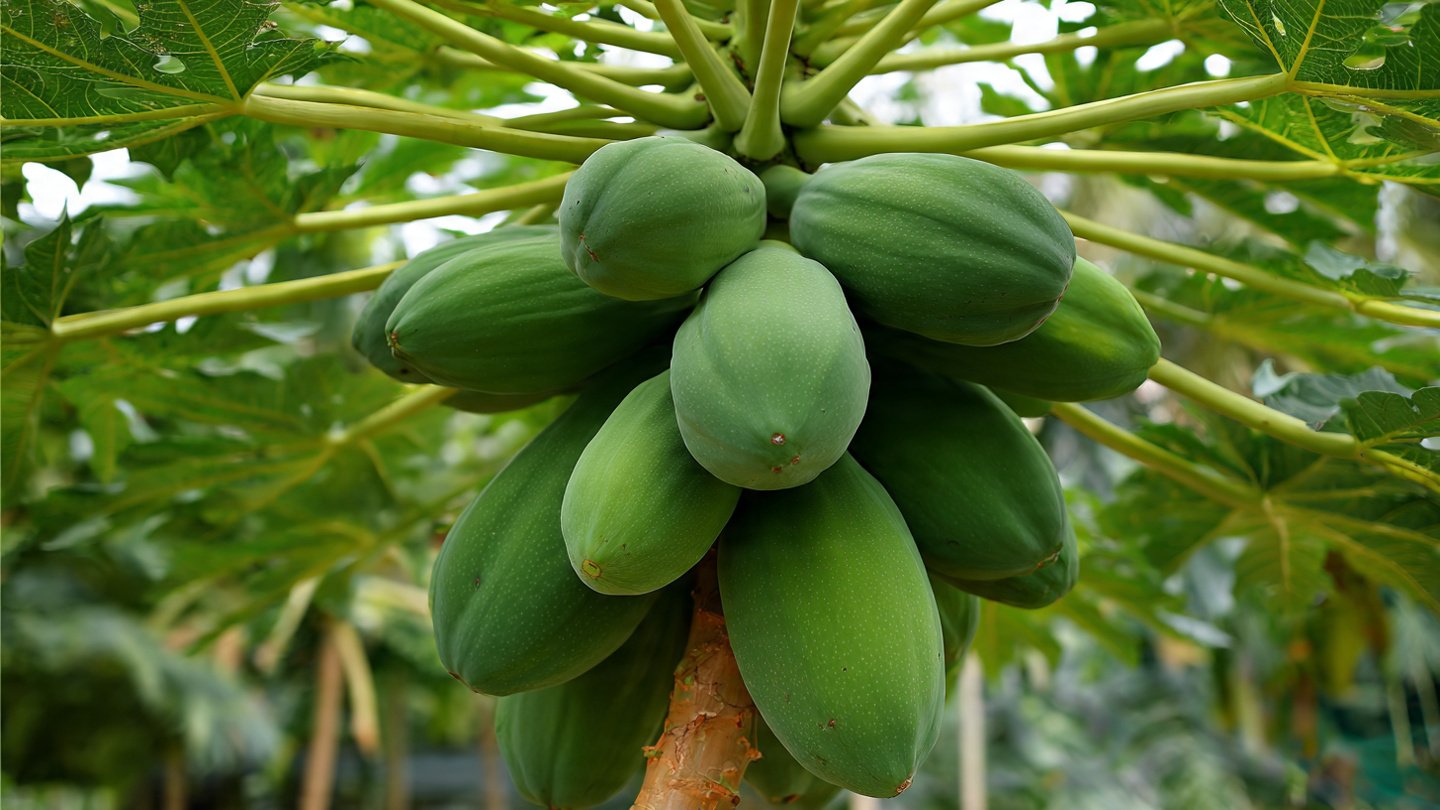
Papaya (Carica papaya) is a tropical fruit celebrated for its sweet, juicy flesh and numerous health benefits, including vitamins A, C, and digestive enzymes like papain. Traditionally grown from seeds, papaya plants can take several months to establish and even longer to produce fruit. For gardeners seeking faster growth and earlier fruiting, air layering offers an effective alternative. This propagation technique allows new plants to develop roots while still attached to the parent plant, ensuring stronger growth, reduced transplant shock, and earlier harvests. This guide provides a step-by-step approach to successful papaya air layering and tips for maximizing results.
Understanding Air Layering
Air layering is a vegetative propagation method where a branch or stem is induced to form roots while remaining connected to the parent plant. Once sufficient roots develop, the branch can be separated and planted as an independent tree. Unlike seed propagation, air-layered plants benefit from the maturity and vigor of the parent, often resulting in faster establishment and earlier flowering.
Benefits of air layering for papaya include:
- Faster Growth: Air-layered plants are partially mature and often establish quickly after planting.
- Early Fruiting: Plants propagated this way typically bear fruit sooner than seed-grown trees.
- Disease Resistance: Using healthy parent plants ensures stronger offspring with reduced susceptibility to diseases.
- Preservation of Varieties: Air layering maintains the exact characteristics of the parent, unlike seeds, which can vary genetically.
Choosing the Right Parent Plant
Success in papaya air layering begins with selecting a healthy, vigorous parent plant.
- Age and Health: Choose a mature plant, ideally 6–12 months old, that is disease-free with strong branches.
- Branch Selection: Select a healthy, semi-woody branch that is flexible but sturdy enough to support air layering materials. Avoid damaged or excessively thin stems.
- Environmental Conditions: Perform air layering during the growing season when temperatures are warm and the plant is actively growing, as this encourages root development.
Materials Needed
To perform papaya air layering successfully, gather the following materials:
- Sharp knife or pruning blade
- Sphagnum moss or cocopeat (for moisture retention)
- Plastic wrap or polyethylene sheet
- Twine, tape, or rubber bands
- Rooting hormone (optional, but can accelerate root formation)
- Scissors
Having all materials ready ensures a smooth, effective air layering process.
Step-by-Step Papaya Air Layering Process
1. Preparing the Branch
- Identify a healthy branch at least 1–2 cm in diameter.
- About 12–18 inches from the tip, make a slight upward 1–2 inch cut around the stem. This ring bark removal exposes the cambium layer, which encourages root initiation.
- Remove a small strip of bark completely, taking care not to damage the vascular tissue excessively.
2. Applying Rooting Hormone (Optional)
- If desired, apply rooting hormone to the exposed area. Hormones containing auxins stimulate root growth and can reduce the time required for rooting.
- This step is optional but recommended for gardeners seeking faster results.
3. Wrapping with Moist Medium
- Moisten sphagnum moss or cocopeat thoroughly.
- Wrap the moss around the exposed section of the branch, covering it completely.
- Ensure the medium is in contact with the cambium layer to encourage root formation.
4. Securing the Layer
- Cover the moss with plastic wrap or a polyethylene sheet.
- Seal the ends tightly with twine, tape, or rubber bands to retain moisture and create a humid environment.
- Avoid gaps or openings that allow the medium to dry out.
5. Maintaining Moisture
- Check the moss regularly and mist with water if it begins to dry.
- Maintaining consistent moisture is critical for root initiation. The moss should remain damp but not waterlogged.
6. Waiting for Roots to Develop
- Root formation typically begins within 4–6 weeks, depending on environmental conditions and the plant’s vigor.
- Once roots are visible through the plastic wrap and are about 2–3 inches long, the branch is ready for separation.
7. Separating and Planting
- Carefully cut the branch below the rooted section.
- Remove the plastic wrap and gently tease out excess moss.
- Plant the new papaya in a well-prepared pot or garden soil, ensuring the roots are fully covered and the stem is upright.
- Water thoroughly and provide partial shade for the first few weeks to reduce transplant stress.
Post-Planting Care
Air-layered papaya plants require attentive care during the initial establishment period:
- Watering: Maintain consistent moisture, especially in the first month. Avoid waterlogging.
- Fertilization: Apply balanced, slow-release fertilizer to support rapid growth. Organic compost or manure can also be used.
- Sunlight: Gradually acclimate the plant to full sun if grown in partial shade initially.
- Pest Management: Monitor for common papaya pests such as aphids, whiteflies, and mealybugs. Use neem oil or insecticidal soap if necessary.
- Pruning: Remove competing shoots or damaged leaves to direct energy toward healthy growth and root development.
Advantages Over Seed Propagation
Air layering offers several distinct advantages over traditional seed propagation for papaya:
- Faster Fruiting: Air-layered plants often produce flowers and fruit in 6–8 months, compared to 12–18 months for seed-grown plants.
- Stronger Plants: Because the new plant develops while still attached to the parent, it benefits from established nutrients and vigor.
- Clonal Fidelity: Air layering preserves the exact genetic characteristics of the parent tree, ensuring consistent fruit quality.
- Reduced Transplant Shock: Roots develop while still attached, minimizing the stress experienced by young plants during transplanting.
Common Challenges and Solutions
While air layering is straightforward, beginners may encounter a few challenges:
- Drying of Moss: Ensure the moss or cocopeat remains damp. Mist regularly if necessary.
- Infection: Use sterile tools and remove any diseased branches to prevent fungal or bacterial infections.
- Poor Root Formation: Select healthy, semi-woody branches and consider using rooting hormones to stimulate growth.
- Environmental Stress: Avoid performing air layering during extremely cold or hot periods; moderate, warm conditions are ideal.
Tips for Maximizing Success
- Perform air layering on mid-aged branches rather than very young or very old stems.
- Choose branches that are exposed to adequate sunlight but not overly stressed by wind or heat.
- Check the rooting medium every week to ensure it remains moist and healthy.
- Use flexible plastic wrap that can retain moisture while allowing observation of root development.
- Be patient: although visible roots may appear in 4–6 weeks, some plants may require up to 8 weeks.
Early Fruiting Strategies
To encourage early flowering and fruiting:
- Fertilize the air-layered plant regularly with balanced nutrients.
- Provide adequate sunlight and warmth for photosynthesis.
- Ensure proper spacing if planted in a garden to prevent shading and encourage healthy growth.
- Water consistently to reduce stress, as stressed plants may delay flowering.
Conclusion
Papaya air layering is an effective, beginner-friendly propagation method that accelerates growth and leads to early fruiting. By carefully selecting a healthy parent plant, preparing the branch, applying rooting medium, and maintaining moisture, gardeners can produce robust new plants faster than traditional seed propagation. The method preserves the parent’s genetic traits, reduces transplant shock, and can yield fruit in as little as six months.
With proper care after separation—consistent watering, fertilization, pest management, and sunlight exposure—air-layered papaya plants thrive, providing fresh fruit in a shorter time frame. This technique is ideal for both home gardeners and small-scale farmers seeking high-yield, healthy papaya trees.
By mastering papaya air layering, gardeners can enjoy a steady supply of sweet, nutritious fruit, maximize their garden’s productivity, and take advantage of one of the most effective vegetative propagation methods available. With patience, attention to detail, and adherence to best practices, air-layered papaya plants can become a reliable source of tropical fruit even in challenging climates.