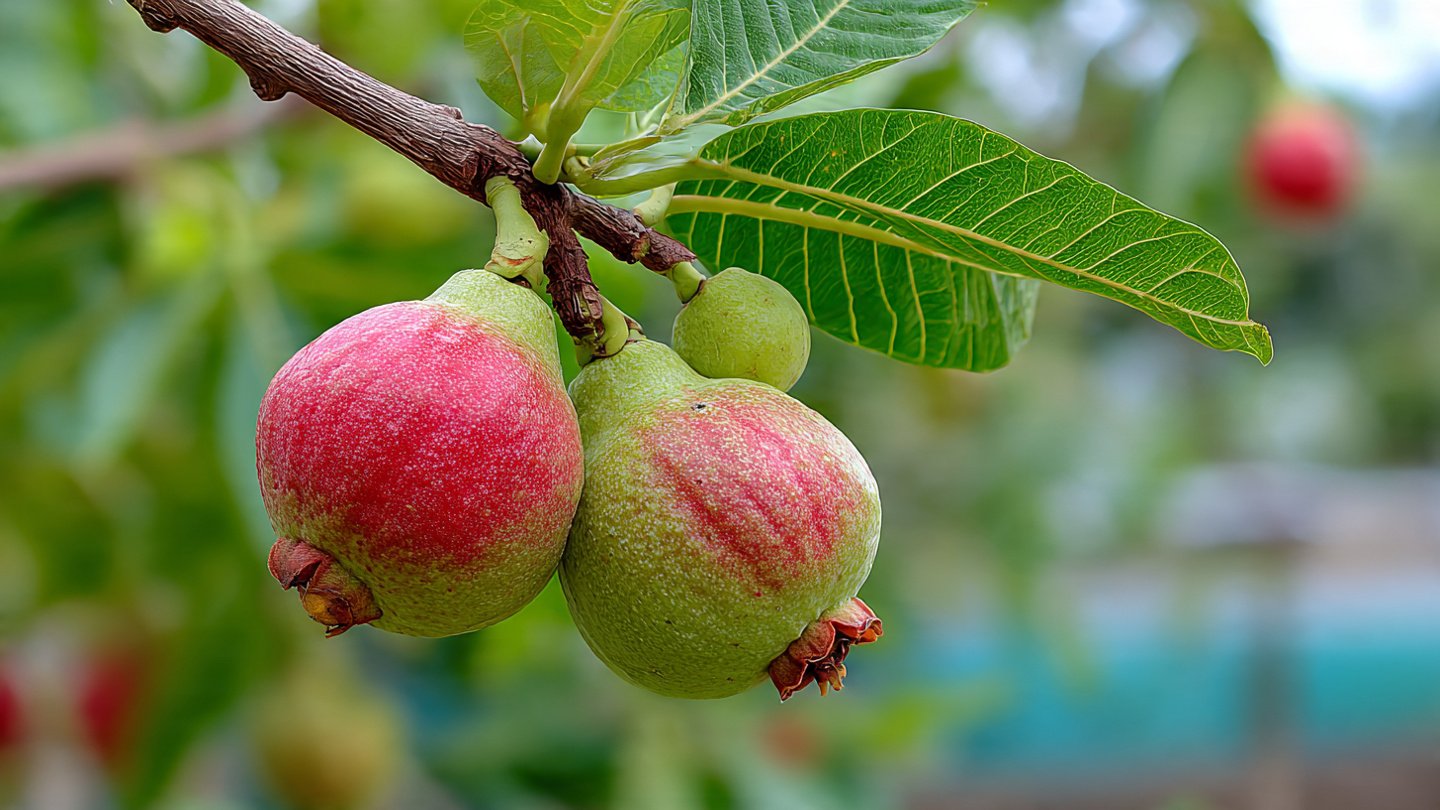
Guava is a tropical fruit prized for its sweet aroma, juicy texture, and impressive nutritional benefits. Rich in vitamin C, dietary fiber, and antioxidants, guava can be a healthy addition to your diet and a rewarding plant for home gardeners. Growing a high-quality guava plant at home may seem challenging, but with proper knowledge, care, and patience, it’s entirely achievable. This guide provides step-by-step instructions to help you cultivate a thriving guava plant in your garden.
Choosing the Right Guava Variety
The first step in growing a high-quality guava plant is selecting the right variety. Guavas come in several types, including tropical guava (Psidium guajava) and wild guava, each with unique characteristics. For home gardening, focus on varieties known for flavor, yield, and disease resistance, such as Allahabad Safeda, Red Malaysian, and Lucknow 49.
- Allahabad Safeda: Popular in India, it produces large, sweet, and aromatic fruits.
- Red Malaysian: Known for its striking red flesh and sweet taste.
- Lucknow 49: Hardy and high-yielding, suitable for beginners.
Choosing a variety suited to your climate and soil conditions is essential for a high-quality harvest.
Selecting a Suitable Location
Guava plants thrive in sunny, well-drained locations. They require at least 6–8 hours of direct sunlight daily to produce flavorful fruits. Avoid planting in shaded areas or locations with waterlogging, as this can stunt growth and increase susceptibility to diseases.
The ideal soil for guava is loamy, sandy, or alluvial soil with a pH between 5 and 7. While guava plants are adaptable to various soils, well-drained fertile soil promotes better flowering and fruiting. If your soil is clay-heavy, consider raised beds or containers to improve drainage.
Propagation Methods
Guava plants can be propagated through seeds, cuttings, or grafting. Each method has its benefits and considerations:
- Seeds: Growing guava from seeds is straightforward, but it may take longer (2–3 years) to produce fruit. Seed-grown plants can vary in fruit quality, so it’s ideal for experimentation.
- Stem Cuttings: Using healthy branches from mature plants can produce fruit within 1–2 years. Cuttings should be 20–30 cm long and planted in a mixture of sand and compost.
- Grafting: This method ensures the new plant inherits the parent plant’s fruit quality and yield. Common grafting techniques include cleft grafting and veneer grafting.
For home gardeners aiming for high-quality fruits quickly, grafting is usually the most effective method.
Preparing the Soil
Before planting, prepare the soil properly to ensure healthy growth. Start by loosening the soil to a depth of 12–15 inches to allow roots to penetrate easily. Mix organic compost or well-rotted manure into the soil to enhance fertility. Adding bone meal or rock phosphate can improve flowering and fruit development.
Creating a small mound for planting can help with drainage, especially in areas prone to waterlogging. Guava plants dislike standing water, so a slightly elevated planting site encourages robust root development.
Planting the Guava Sapling
Plant guava saplings during the early monsoon season or when temperatures are moderate. Here’s a step-by-step process:
- Dig a hole twice the size of the root ball.
- Gently remove the sapling from its nursery pot, taking care not to damage the roots.
- Place the sapling in the hole and fill it with a mixture of soil and compost.
- Water the plant thoroughly to help settle the soil around the roots.
- Mulch around the base with organic material, such as straw or coconut husks, to retain moisture and suppress weeds.
Maintain a spacing of 3–5 meters between plants for proper airflow, sunlight exposure, and easier maintenance.
Watering and Irrigation
Guava plants are moderately drought-tolerant, but consistent watering is crucial during the first year and fruiting periods. Young plants need water 2–3 times a week, while mature plants require less frequent watering.
Overwatering can lead to root rot and fungal infections, while under-watering can cause poor fruit development. Drip irrigation or soaker hoses are excellent options for providing steady moisture without waterlogging.
Fertilization and Nutrient Management
A well-nourished guava plant produces larger, tastier fruits. Use a balanced fertilizer with nitrogen, phosphorus, and potassium (NPK) in the ratio of 10:10:10 or 12:12:12. Organic alternatives, like compost, vermicompost, and poultry manure, are excellent for enriching soil naturally.
- For young plants: Apply a small dose of nitrogen-rich fertilizer every 6–8 weeks.
- For mature plants: Fertilize 3–4 times per year, especially during flowering and fruiting periods.
Supplement micronutrients such as magnesium, iron, and zinc if deficiency symptoms appear, like yellowing leaves or poor fruiting.
Pruning and Training
Proper pruning improves air circulation, sunlight penetration, and overall fruit quality. Guava plants respond well to light annual pruning. Remove dead, diseased, or weak branches and trim excess growth to maintain a balanced shape.
For young plants, pinch the tips of shoots to encourage bushy growth. In mature plants, selective thinning of crowded branches can enhance fruit size and reduce pest infestation.
Flowering and Pollination
Guava flowers are small, white, and fragrant, attracting pollinators such as bees, butterflies, and ants. While guava is self-pollinating, natural pollination by insects improves fruit set and size. Avoid using pesticides that can harm beneficial pollinators during flowering.
To encourage flowering:
- Provide adequate sunlight and nutrients.
- Avoid excessive nitrogen, which promotes vegetative growth at the expense of flowers.
- Maintain moderate watering to prevent stress.
Pest and Disease Management
Guava plants are prone to pests such as fruit flies, aphids, and mealybugs, and diseases like anthracnose, wilt, and leaf spot. Early detection and preventive measures are key:
- Fruit Flies: Use traps with protein baits or neem oil sprays.
- Aphids and Mealybugs: Spray with insecticidal soap or neem oil.
- Fungal Diseases: Apply copper-based fungicides or practice good sanitation by removing infected fruits and leaves.
Maintaining proper spacing, pruning, and clean irrigation can significantly reduce disease incidence.
Harvesting
Guava fruits are usually ready for harvest 3–5 years after planting from grafted saplings or 5–8 years from seed-grown plants. Fruits are harvested when they change color slightly, emit a sweet aroma, and are firm yet slightly soft to the touch.
Avoid leaving fruits on the tree until fully soft, as they can become overripe, attract pests, or fall prematurely. For maximum flavor, harvest in the morning when temperatures are cooler.
Post-Harvest Care
After harvesting, guavas can be stored at room temperature for a few days or refrigerated for up to two weeks. Wash the fruits gently and handle them carefully to avoid bruising. Homegrown guavas can be enjoyed fresh, juiced, or used in jams, jellies, and desserts.
Tips for High-Quality Guava Fruits
- Consistent care: Regular watering, fertilization, and pruning are essential.
- Sunlight: Ensure full sun exposure for sweeter, larger fruits.
- Mulching: Retains moisture and regulates soil temperature.
- Pest management: Early intervention prevents crop loss.
- Patience: Quality fruits take time; avoid over-harvesting or neglecting the plant.
Conclusion
Growing a high-quality guava plant at home is both rewarding and enjoyable. By selecting the right variety, providing optimal soil and sunlight, practicing proper watering, fertilization, and pruning, and managing pests and diseases, home gardeners can enjoy a bountiful harvest of delicious guavas. Whether eaten fresh, juiced, or made into preserves, homegrown guavas are a nutritious and flavorful treat that reflect the care and attention given to the plant. With patience, consistency, and a little bit of gardening know-how, anyone can cultivate a thriving guava plant in their backyard or home garden.