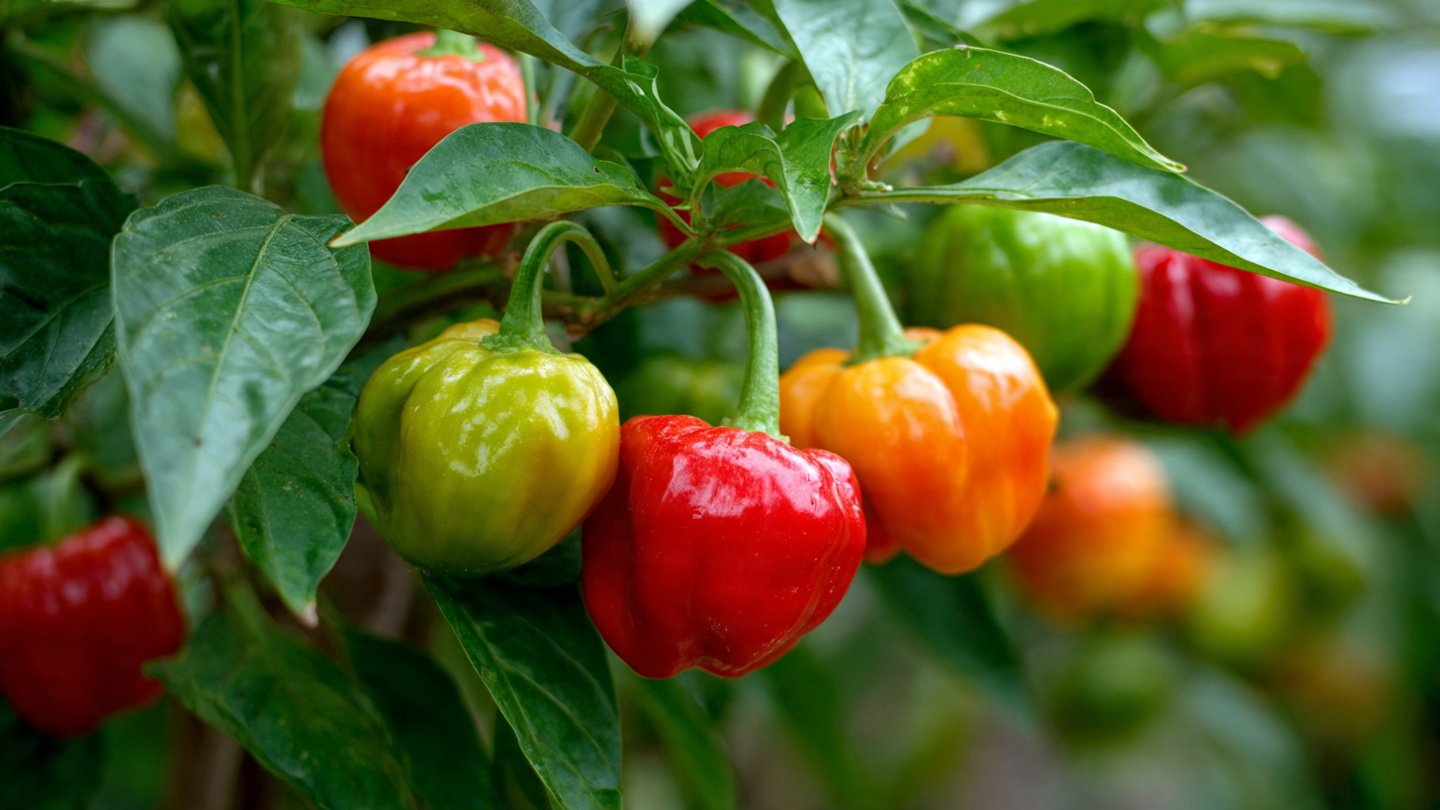
Home gardening is an exciting and rewarding way to produce fresh, healthy vegetables while making the most of limited space. One vegetable that thrives in container gardening is the cucumber. Cucumbers are versatile, nutritious, and relatively easy to grow when given the right care. What makes this even more sustainable and cost-effective is that you can cultivate them using rejected containers—items that would otherwise go to waste. This approach not only reduces household waste but also transforms it into a source of fresh produce and potential savings. By understanding cucumber cultivation and how to adapt containers for growth, gardeners can turn everyday waste into tangible wealth in the form of abundant cucumbers.
Why Cucumbers Are Ideal for Container Gardening
Cucumbers (Cucumis sativus) are warm-season vegetables that flourish in nutrient-rich soil, consistent moisture, and full sunlight. They are especially suitable for container gardening because:
- Compact Growth: Many varieties, including bush cucumbers, remain small enough to thrive in containers.
- High Yield: Even a single plant can produce numerous fruits with proper care.
- Quick Harvest: Cucumbers mature rapidly, allowing multiple harvests throughout the season.
- Adaptable to Small Spaces: They can be grown on patios, balconies, and small gardens, making them perfect for urban gardening.
By leveraging containers, gardeners can overcome limitations of soil quality, space, or outdoor access while enjoying fresh, chemical-free cucumbers.
Selecting the Right Containers
Using rejected or repurposed containers is an environmentally friendly and economical choice. Examples of suitable containers include:
- Plastic buckets, crates, or barrels
- Old pots, basins, or tubs
- Cardboard boxes reinforced for water resistance
- Wooden crates lined with plastic
- Reused milk cartons, large bottles, or food containers
Key factors to consider when choosing a container include:
- Size: Cucumbers require a minimum depth of 12 inches for root development. Larger containers allow better growth and higher yields.
- Drainage: Proper drainage prevents waterlogging, which can lead to root rot. Drill holes at the base of containers or add a layer of gravel for excess water runoff.
- Material Safety: Avoid containers that previously held toxic substances. Food-grade plastics and untreated wood are safest.
- Mobility: Containers should be easy to move for optimal sunlight exposure and protection from harsh weather.
Repurposing these items reduces waste while creating a practical growing environment for cucumbers.
Choosing the Right Cucumber Variety
Cucumbers are broadly classified into two types:
- Bush Varieties: Compact, suitable for small containers. Examples include ‘Bush Champion’ and ‘Patio Snacker.’
- Vining Varieties: Require more space and trellises, but produce higher yields. Examples include ‘Marketmore’ and ‘Spacemaster.’
Select a variety based on container size, available space, and personal preference. Bush varieties are ideal for beginners or small patios, while vining types excel when vertical space can be utilized.
Preparing the Container for Planting
Proper preparation ensures cucumber roots thrive and plants reach maximum productivity:
- Add Drainage Layer: Place small stones, broken pottery, or coarse gravel at the bottom to prevent standing water.
- Use Nutrient-Rich Soil: Fill the container with a mix of garden soil, compost, and sand for aeration and fertility. A typical ratio is 2:1:1 (soil:compost:sand).
- Ensure Adequate Depth: A minimum of 12–18 inches is ideal. Deeper containers support larger root systems, leading to stronger plants and higher yields.
- Pre-Moistening Soil: Lightly moisten the soil before planting to create an ideal environment for seed germination or seedling transplant.
Preparing containers correctly provides the foundation for healthy cucumber growth.
Planting Cucumbers
Cucumbers can be grown from seeds or seedlings:
- From Seeds:
- Sow seeds ½ inch deep in moist soil.
- Space seeds 2–3 inches apart if multiple seeds are in one container.
- Thin seedlings once they sprout to leave the strongest plant.
- From Seedlings:
- Transplant young cucumber plants carefully to avoid disturbing roots.
- Ensure the plant sits at the same soil level as in its original pot.
- Watering After Planting:
- Water gently but thoroughly to settle the soil around roots.
- Avoid overwatering, as young plants are vulnerable to damping-off disease.
Starting cucumbers in containers allows gardeners to manage growth conditions carefully and ensures higher survival rates.
Supporting Vining Cucumbers
Vining cucumbers require vertical support to maximize space and fruit yield:
- Trellises: Bamboo stakes, wooden frames, or string trellises allow vines to climb upward.
- Cages: Tomato cages or custom frameworks provide support and keep fruits off the soil.
- Pruning: Remove lateral shoots that crowd the plant and focus energy on fruiting stems.
Vertical support reduces disease risk, improves airflow, and makes harvesting easier.
Watering and Nutrition
Cucumbers are heavy feeders and require consistent moisture:
- Watering: Keep soil evenly moist but not soggy. Watering frequency depends on container size, temperature, and humidity.
- Mulching: Cover the soil with straw, dried leaves, or shredded paper to retain moisture and reduce evaporation.
- Fertilization: Supplement with organic fertilizers, compost tea, or well-rotted manure every 2–3 weeks. Avoid excessive nitrogen, which promotes leaf growth at the expense of fruiting.
Maintaining proper hydration and nutrition is essential to prevent stress, blossom drop, or bitter fruit.
Pest and Disease Management
Even container-grown cucumbers are susceptible to pests and diseases:
- Common Pests: Aphids, whiteflies, and spider mites. Introduce natural predators like ladybugs or spray neem oil for control.
- Diseases: Powdery mildew and downy mildew can affect leaves. Ensure good airflow and avoid overhead watering to reduce risk.
- Preventive Measures: Rotate containers to avoid soil-borne pathogens and remove damaged leaves promptly.
Using eco-friendly pest control methods complements the sustainable nature of container gardening.
Harvesting Cucumbers
Timely harvesting ensures maximum flavor, continued production, and prevents overripe fruits:
- Harvest Frequency: Pick cucumbers every 2–3 days for continuous production.
- Indicators of Ripeness: Cucumbers are ready when they are firm, uniform in color, and the desired size for the variety. Avoid letting fruits overmature, as they become bitter and less productive.
- Technique: Use a sharp knife or scissors to avoid damaging the vine. Gently twist or cut the stem near the fruit base.
Regular harvesting encourages new flowering and fruit development, maximizing the return from container-grown plants.
Advantages of Using Rejected Containers
Growing cucumbers in repurposed containers offers multiple benefits:
- Cost Savings: Eliminates the need to buy expensive pots or planters.
- Waste Reduction: Repurposes items that would otherwise contribute to landfill waste.
- Flexibility: Containers can be moved to optimize sunlight, avoid harsh weather, or adjust garden layout.
- Control Over Soil Quality: Container gardening allows precise control of soil composition and nutrients.
- Urban Gardening Solution: Ideal for balconies, terraces, or small spaces with limited soil access.
Repurposing household waste for gardening not only saves money but also contributes to environmental sustainability.
Tips for Maximizing Cucumber Yield
- Succession Planting: Stagger sowing every 2–3 weeks for a continuous supply.
- Monitor Soil Moisture: Avoid extremes of drought or overwatering.
- Sunlight Exposure: Cucumbers require at least 6–8 hours of direct sunlight daily. Move containers as needed.
- Pollination: Encourage pollinators like bees or hand-pollinate flowers to increase fruit set.
- Regular Pruning: Remove yellow or damaged leaves to improve airflow and plant health.
Following these practices ensures maximum productivity, even in small spaces.
Conclusion
Cucumber cultivation using rejected containers is an innovative and sustainable approach to home gardening. By repurposing waste materials, gardeners reduce environmental impact while enjoying fresh, nutritious produce. Proper container selection, soil preparation, watering, fertilization, and pest management are key to successful cultivation. Both bush and vining varieties thrive when provided with support, sunlight, and care, offering high yields in small spaces.
This method demonstrates how resourcefulness and thoughtful gardening can turn everyday waste into wealth in the form of fresh cucumbers, cost savings, and environmental benefits. Whether for home consumption or small-scale sales, container-grown cucumbers provide a practical, rewarding, and eco-friendly gardening solution. By embracing rejected containers, gardeners not only grow food but also contribute to a sustainable and circular approach to household resources.
With consistent care, strategic planting, and mindful harvesting, anyone can enjoy an abundant cucumber harvest while reducing waste and maximizing the potential of every container at home. Cucumber cultivation, even from discarded materials, proves that creativity and sustainable practices can transform gardening into both a productive and environmentally responsible endeavor.