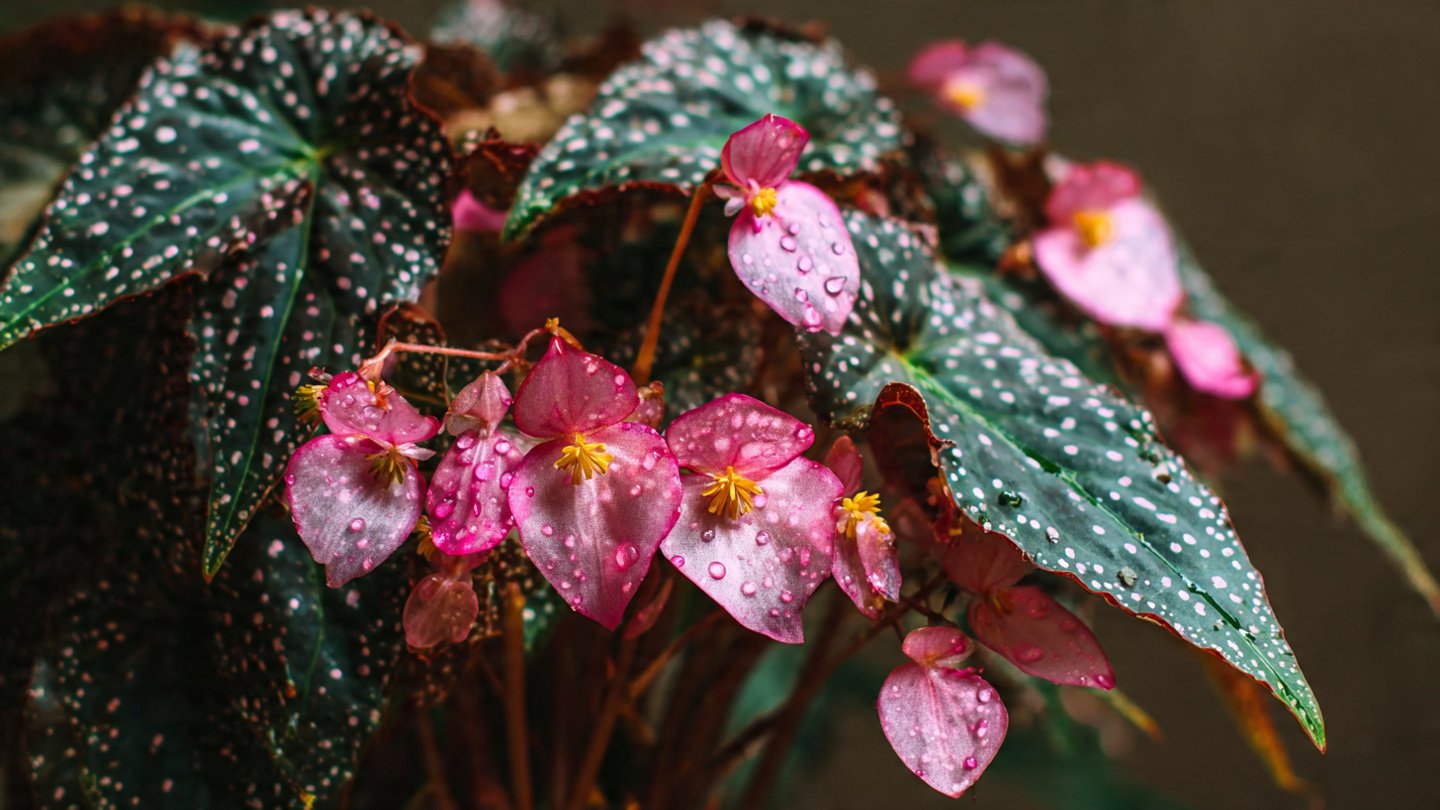
Begonia maculata, commonly known as the Polka Dot Begonia, is a striking houseplant admired for its dramatic foliage, unique patterns, and graceful trailing habit. With its dark green leaves speckled with silvery-white spots and vibrant red undersides, it has quickly become a favorite among indoor plant enthusiasts. While it may appear exotic and delicate, growing Begonia maculata indoors is accessible even for beginners if you understand its needs. This complete guide provides step-by-step advice to help you cultivate a healthy, beautiful plant that thrives indoors.
Understanding Begonia Maculata
Before starting your indoor gardening journey, it is essential to understand the characteristics of Begonia maculata. Native to the tropical forests of Brazil, this plant naturally grows in shaded, humid environments with filtered sunlight. Its growth habit includes trailing stems that can reach several feet indoors, making it ideal for hanging baskets, shelves, or decorative pots.
The Polka Dot Begonia’s leaves are its most captivating feature. The dark green, elongated leaves with white spots create a striking visual contrast, while the bright red undersides add a pop of color that enhances its ornamental appeal. With proper care, your plant can develop multiple branches and produce clusters of small, delicate white flowers, adding an extra layer of charm.
Choosing the Right Pot and Soil
Selecting the appropriate pot and soil is the foundation for a thriving Begonia maculata. A well-draining container prevents waterlogging, which is one of the most common causes of root rot. Choose a pot with drainage holes at the bottom and a size that accommodates the plant’s growing roots, typically 6–10 inches for young plants.
Begonia maculata prefers a light, airy potting mix. A combination of peat moss, perlite, and a small amount of orchid bark works well to ensure proper aeration while retaining sufficient moisture. Avoid heavy garden soil or compact mixes, as they can suffocate the roots and hinder growth. A soil mix that mimics its natural tropical habitat will promote healthy foliage and vibrant colors.
Providing Ideal Light Conditions
Light is a critical factor in the indoor growth of Begonia maculata. This plant thrives in bright, indirect sunlight. Direct sun can scorch the delicate leaves, while insufficient light may cause slow growth and dull leaf coloration. Placing your plant near a north- or east-facing window is ideal, where it receives filtered light throughout the day.
If natural light is limited, especially during winter months, supplemental artificial lighting can help. LED grow lights that provide a full spectrum mimic natural sunlight and support healthy photosynthesis. Aim for 10–12 hours of light daily to maintain vibrant foliage and encourage steady growth.
Maintaining Optimal Temperature and Humidity
Begonia maculata is a tropical plant that thrives in warm and humid conditions. The ideal temperature range is between 65°F and 75°F (18°C–24°C). Avoid exposing the plant to drafts, sudden temperature changes, or cold air, as these can stress the plant and cause leaf drop.
Humidity plays a vital role in maintaining the health of Begonia maculata. Indoor environments, particularly during winter, are often dry due to heating systems. To increase humidity, consider using a humidifier, placing a tray of water near the plant, or grouping multiple plants together. Misting the leaves occasionally can also help, but avoid overwatering the foliage, as persistent wet leaves can lead to fungal diseases.
Watering Techniques
Proper watering is essential to prevent root rot and maintain vibrant foliage. Begonia maculata prefers consistently moist soil but should never sit in waterlogged conditions. Water the plant thoroughly when the top inch of the soil feels dry to the touch. Allow excess water to drain completely from the pot to prevent standing water at the roots.
During the growing season, typically spring and summer, the plant may require more frequent watering. In the dormant or slower-growth months of fall and winter, reduce watering slightly. Always check the soil moisture before watering to avoid overwatering, which is one of the most common mistakes made by beginners.
Fertilizing for Healthy Growth
Fertilization supports vigorous growth, vibrant foliage, and occasional flowering. Use a balanced liquid fertilizer diluted to half-strength every 2–4 weeks during the growing season. Avoid over-fertilizing, as excessive nutrients can burn the roots or cause distorted leaf growth.
Organic fertilizers, such as fish emulsion or compost tea, provide a gentle, slow-release nutrient source and improve soil health. Fertilizing during winter is generally unnecessary, as the plant’s growth slows down naturally during this period. Proper nutrition ensures that the Polka Dot Begonia maintains its striking leaf patterns and grows robustly indoors.
Pruning and Maintenance
Pruning is an essential practice for maintaining shape, encouraging branching, and promoting straight, healthy stems. Regularly trim leggy stems to stimulate new growth and prevent the plant from becoming sparse or top-heavy.
Remove yellowing or damaged leaves promptly to maintain a clean appearance and reduce the risk of disease. While pruning, use sterilized scissors or pruning shears to avoid transferring pathogens. Pruning also improves air circulation around the plant, which is crucial for preventing fungal infections and maintaining overall health.
Propagation Made Simple
Begonia maculata can be propagated easily, allowing you to expand your indoor garden or share plants with friends. The most common propagation method is stem cuttings. Select a healthy stem with at least one node and a few leaves. Cut the stem below the node using sterilized scissors, and place it in water or a moist potting mix until roots develop.
Stem cuttings in water typically root within 2–4 weeks. Once roots are established, transfer the cutting to a well-draining potting mix. Propagation not only produces new plants but also helps rejuvenate the parent plant by reducing congestion and stimulating new growth.
Managing Pests and Diseases
While generally resilient, Begonia maculata can be susceptible to pests such as spider mites, aphids, and mealybugs. Inspect the plant regularly for early signs of infestation, such as discolored leaves, sticky residue, or webbing.
Treat minor infestations with insecticidal soap, neem oil, or rubbing alcohol on a cotton swab. Ensure proper air circulation, avoid overwatering, and remove affected leaves to prevent fungal infections. Keeping the plant healthy with optimal care reduces susceptibility to pests and diseases, allowing it to flourish indoors with minimal intervention.
Repotting and Growth Management
Begonia maculata grows relatively quickly indoors and may require repotting every 1–2 years. Repotting refreshes the soil, provides more space for root development, and encourages healthy growth. Choose a slightly larger pot than the current one to avoid excessive root movement or water retention issues.
When repotting, gently remove the plant from its current container, shake off excess soil, and trim any damaged or rotting roots. Place the plant in fresh, well-draining soil and water lightly. Avoid fertilizing immediately after repotting, as newly disturbed roots are sensitive to nutrient overload.
Displaying Your Begonia Maculata Indoors
Begonia maculata is a statement plant that can enhance any interior space. Its trailing stems look stunning in hanging baskets, while upright growth can be showcased on shelves or decorative plant stands. Rotate the plant occasionally to ensure even light exposure, which encourages balanced growth and prevents leaning.
Combining the Polka Dot Begonia with complementary houseplants such as ferns, calatheas, or philodendrons can create a lush, tropical indoor display. Its unique leaves, vibrant colors, and elegant structure make it a focal point in living rooms, offices, or bedrooms.
Conclusion
Growing Begonia maculata indoors may seem intimidating for beginners due to its exotic appearance, but with proper understanding and care, it is an achievable and rewarding endeavor. By selecting the right pot and soil, providing adequate light, humidity, and warmth, and practicing consistent watering, fertilization, and pruning, even novice gardeners can cultivate a healthy, beautiful Polka Dot Begonia.
With patience, attention to detail, and a few basic techniques, your indoor Begonia maculata will flourish, showcasing its striking foliage and delicate blooms. This plant not only enhances interior aesthetics but also provides a sense of accomplishment and connection to nature. For beginners ready to embark on a journey of indoor gardening, Begonia maculata is an ideal choice, combining beauty, charm, and relative ease of care.