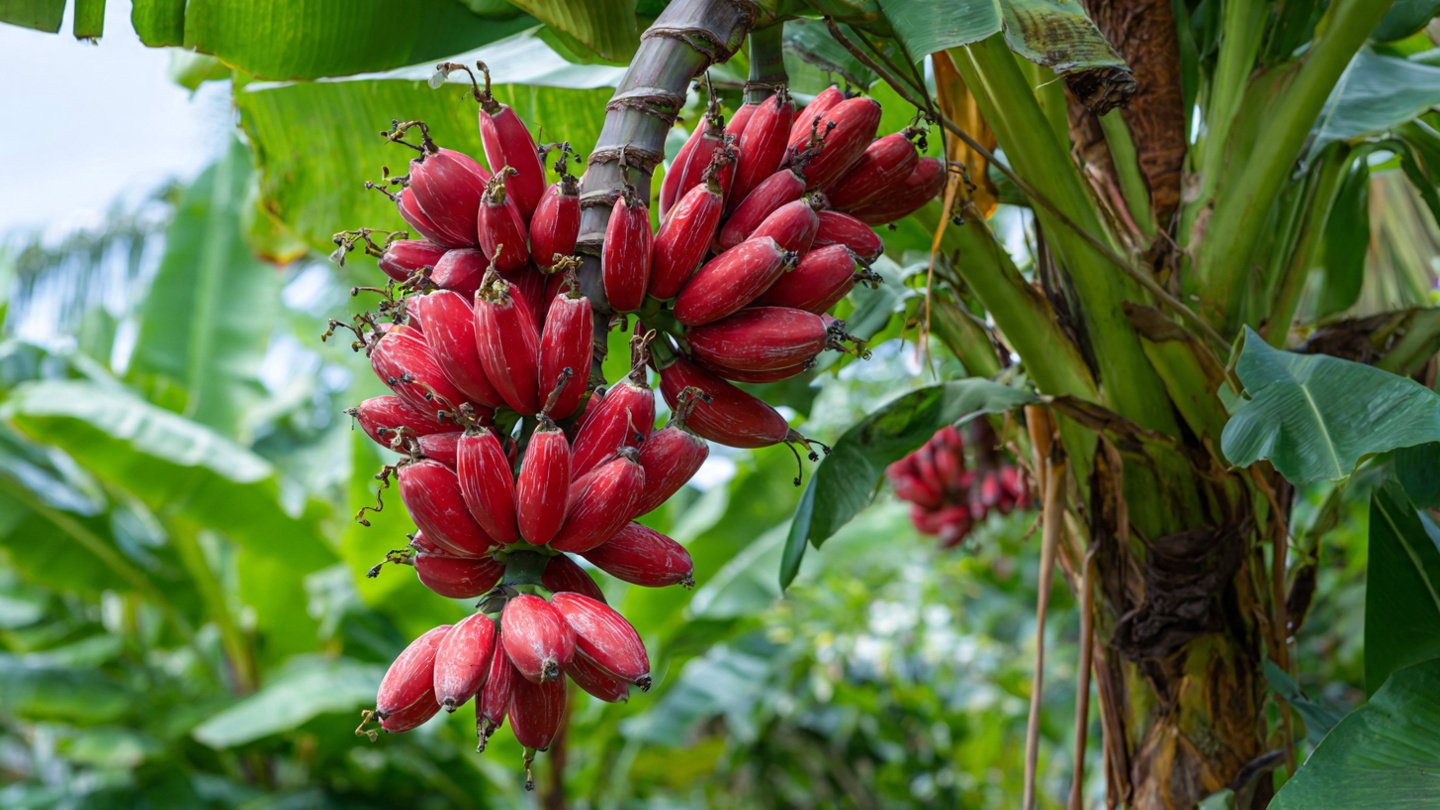
Red bananas are one of the most visually striking and unique fruit varieties you can grow in a tropical garden. With their deep reddish-purple skin and sweet, creamy flavor, they are not only a delicious treat but also a captivating ornamental feature. Unlike the common yellow Cavendish banana, red bananas offer a combination of aesthetic beauty and nutritional value, making them a favorite among tropical gardeners and fruit enthusiasts alike. Successfully growing red bananas requires understanding their specific environmental needs, proper planting techniques, and consistent care to ensure healthy growth and an impressive display in your garden. This guide will provide detailed steps to help you cultivate red bananas and achieve both a bountiful harvest and a stunning visual impact.
Understanding Red Bananas
Red bananas (Musa acuminata ‘Red Dacca’ or ‘Red Banana’) are a tropical fruit variety known for their reddish to purplish skin, creamy texture, and naturally sweet flavor. Unlike the yellow bananas most people are familiar with, red bananas are smaller, often shorter and plumper, and turn a deep red or maroon color when fully ripe. They are rich in essential nutrients, including potassium, vitamin C, vitamin B6, and dietary fiber. Beyond their edible qualities, red banana plants are highly decorative. They feature large, broad leaves with a slight burgundy tinge, creating a lush, exotic appearance that complements any tropical garden design.
Red bananas thrive in tropical and subtropical climates, where temperatures remain consistently warm and humidity is high. They are not frost-tolerant, so they require a climate where temperatures rarely drop below 50°F (10°C). Understanding these environmental requirements is crucial to ensure successful growth.
Selecting the Right Planting Site
Choosing the proper location is the first step in cultivating red bananas. These plants grow best in full sunlight but can tolerate partial shade. Ideally, select a site that receives at least 6 to 8 hours of direct sunlight each day. Adequate sunlight ensures robust growth, vibrant foliage, and faster fruit production.
Red bananas prefer sheltered locations protected from strong winds. Their large leaves can be easily torn or damaged, which can affect the plant’s health and visual appeal. Planting near a natural windbreak, such as a fence, wall, or cluster of taller plants, can help protect them.
Soil conditions are equally important. Red bananas thrive in well-draining, fertile soil with a slightly acidic to neutral pH of 5.5 to 7.0. They do not tolerate waterlogged soil, which can lead to root rot and other fungal diseases. If your soil is heavy clay or compacted, consider amending it with organic matter such as compost or well-rotted manure to improve drainage and nutrient availability.
Propagation and Planting Techniques
Red bananas can be propagated through suckers, which are shoots that grow from the base of mature plants. When selecting suckers, choose healthy, disease-free shoots with a well-developed root system. Ideally, pick a sucker that is at least 3 to 4 feet tall and has its own roots.
To plant a red banana sucker, dig a hole slightly larger than the root ball and place the plant in the hole, ensuring the roots are spread out. Fill in the hole with soil and gently press it down to eliminate air pockets. Water thoroughly after planting to help the plant establish itself.
Spacing is an essential consideration when planting multiple red banana plants. Each plant should have at least 6 to 10 feet of space around it to accommodate its broad leaves and allow adequate airflow. Proper spacing reduces competition for nutrients and minimizes the risk of disease.
Watering and Irrigation
Red bananas require consistent moisture to thrive but should not sit in soggy soil. A deep watering schedule is ideal, ensuring that water reaches the root zone. During the growing season, water the plants at least 2 to 3 times per week, adjusting based on rainfall and soil conditions. Mulching around the base of the plant helps retain soil moisture, suppress weeds, and maintain a stable soil temperature.
Avoid overhead watering if possible, as wet leaves can encourage fungal diseases. Drip irrigation or watering at the base of the plant is more effective and safer for the foliage.
Fertilization and Nutrient Management
Red bananas are heavy feeders and require regular fertilization for optimal growth and fruit production. Use a balanced fertilizer with a ratio of nitrogen, phosphorus, and potassium (NPK) such as 8-10-8. Nitrogen promotes vigorous leaf growth, phosphorus supports root and flower development, and potassium improves fruit quality.
Apply fertilizer every 6 to 8 weeks during the growing season, reducing frequency during cooler or dormant periods. Organic fertilizers such as compost, worm castings, or well-rotted manure can also be incorporated to improve soil fertility and structure. Foliar feeding with a diluted liquid fertilizer can provide an additional nutrient boost, especially for micronutrients.
Pruning and Plant Maintenance
Maintaining red banana plants involves regular pruning and removal of dead or damaged leaves. Pruning improves airflow, reduces disease risk, and enhances the plant’s visual appeal. Remove any suckers that are weak or growing too close to the main plant, leaving only 1 to 2 strong suckers per plant. This ensures that the main plant has enough energy to produce healthy leaves and fruit.
Keep an eye out for pests and diseases. Common banana pests include aphids, spider mites, and banana weevils, while fungal infections such as Panama disease or leaf spot can affect plant health. Early detection and treatment are essential to prevent serious damage. Organic pest control methods, including neem oil, insecticidal soaps, or natural predators, can help maintain a healthy garden ecosystem.
Flowering and Fruit Production
Red banana plants typically flower 9 to 12 months after planting, depending on growing conditions and care. The flowers emerge from the top of the plant, forming a large, purple-red inflorescence. After pollination, the plant produces clusters of red bananas, also known as “hands,” which can range from 10 to 20 bananas per cluster.
The fruit matures over several months and should be harvested when the skin turns deep red and the fruit feels slightly soft to the touch. Red bananas can be eaten fresh or used in desserts, smoothies, and baked goods. Allowing some fruits to remain on the plant can enhance its ornamental appeal, as clusters of red bananas create a dramatic visual statement.
Seasonal Care and Considerations
Even in tropical climates, seasonal changes can affect red banana growth. During the dry season, increase watering frequency and apply mulch to retain moisture. In periods of heavy rain, ensure proper drainage to prevent root rot. Protect young plants from strong winds or sudden temperature fluctuations by using temporary shelters or shading materials if needed.
Regularly inspect plants for signs of nutrient deficiency, pest infestation, or disease. Yellowing leaves may indicate a lack of nitrogen, while stunted growth can signal inadequate water or nutrient supply. Addressing these issues promptly ensures continued health and visual appeal.
Aesthetic Placement and Garden Design
Red banana plants are not only fruit-bearing but also serve as striking focal points in a tropical garden. Their tall, broad leaves and deep red fruit clusters make them ideal for creating visual interest and structure. Plant them along garden paths, near patios, or as a backdrop for other tropical plants to enhance the overall landscape design.
Pair red bananas with complementary plants such as heliconias, bird of paradise, or gingers to create a layered, lush effect. Consider container planting for patios or smaller gardens, using large pots that provide ample space for roots and good drainage. This approach allows flexibility in placement while maintaining the plant’s health and growth potential.
Conclusion
Successfully growing red bananas in a tropical garden requires attention to environmental conditions, proper planting techniques, consistent care, and thoughtful garden design. By providing adequate sunlight, well-draining soil, regular watering, and appropriate fertilization, gardeners can enjoy healthy plants that produce delicious, visually stunning fruit. Regular pruning and pest management help maintain plant health and aesthetic appeal, while strategic placement in the garden enhances overall landscape beauty.
Red bananas offer a unique combination of functionality and ornamental value, making them an ideal choice for tropical gardeners seeking both delicious fruit and dramatic visual impact. With patience and consistent care, these vibrant plants can transform a tropical garden into a lush, exotic paradise, delighting both the eyes and the palate. Whether you are a seasoned gardener or a tropical plant enthusiast, red bananas provide an exciting opportunity to cultivate beauty and bounty in your outdoor space.