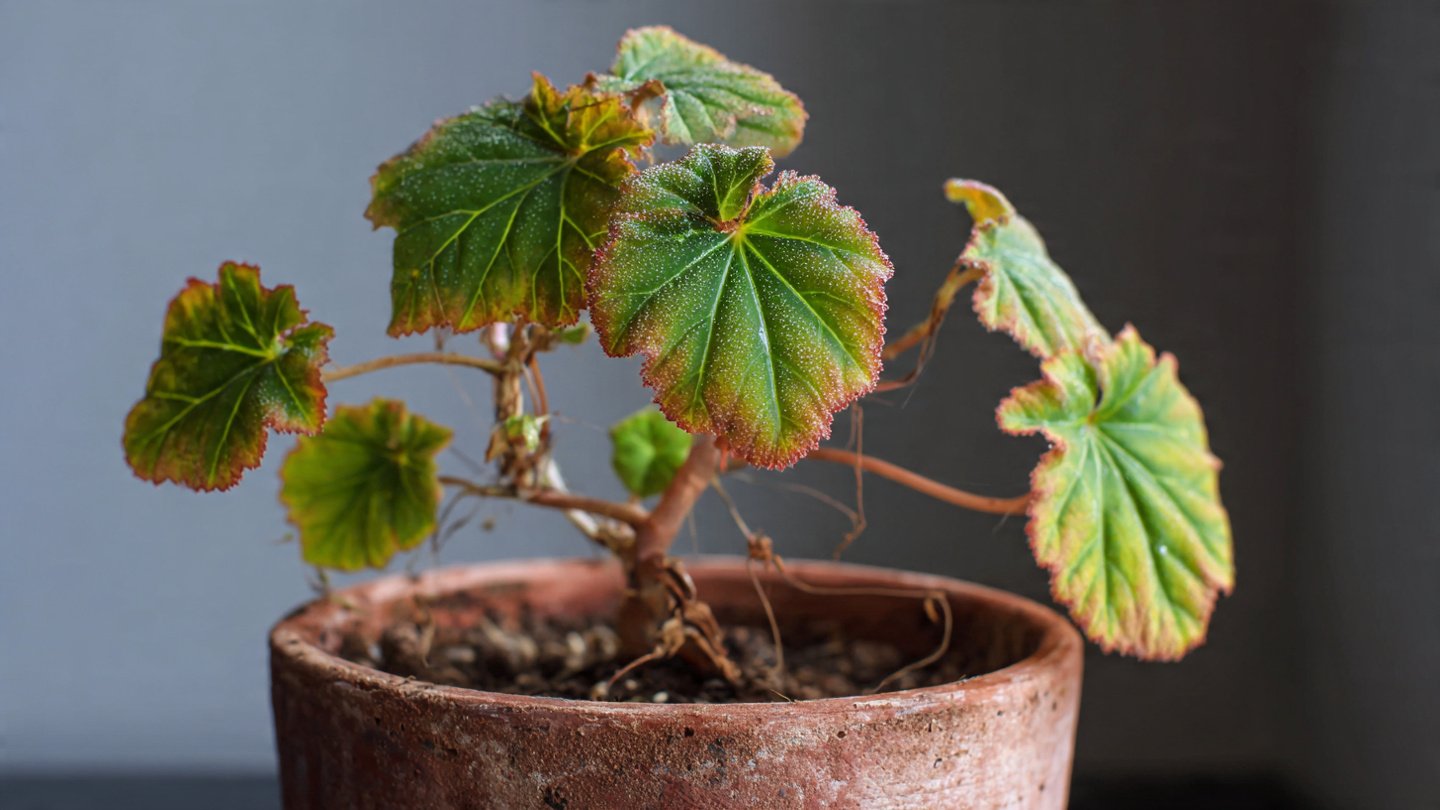
Begonias are among the most beloved ornamental plants, prized for their vibrant foliage, delicate flowers, and versatility in both indoor and outdoor settings. Their colorful leaves, often adorned with striking patterns or textures, can transform any garden, balcony, or living space into a lively display. However, one of the most common challenges faced by begonia enthusiasts is leaf curl—a condition that affects both the health and appearance of the plant. Understanding the causes of leaf curl and implementing effective growth strategies is essential for cultivating robust, beautiful begonias. In this guide, we explore the best methods to achieve healthy begonia growth while preventing this frustrating issue.
Understanding Begonia Leaf Curl
Leaf curl in begonias is a physiological response to stress. The leaves may curl upwards, downwards, or inward, and the edges can sometimes become discolored. While leaf curl is often a sign of environmental or care-related problems, it does not always indicate a fatal condition. Identifying the underlying cause is the first step in restoring your begonia to vibrant health.
Common triggers for leaf curl include:
- Watering inconsistencies: Overwatering or underwatering can both stress the plant. Begonias are sensitive to moisture levels, and improper watering can cause the leaves to curl as a protective response.
- Temperature stress: Extreme heat or cold can damage plant tissues, leading to curling leaves. Begonias thrive in moderate temperatures and may react dramatically to fluctuations.
- Pests and diseases: Infestations of aphids, spider mites, or thrips, as well as fungal or bacterial infections, can cause leaf deformation.
- Nutrient deficiencies: Insufficient essential nutrients, particularly calcium, magnesium, or nitrogen, can lead to leaf curl and poor growth.
- Low humidity: Begonias are native to tropical and subtropical regions and require adequate humidity. Dry air can cause leaf edges to curl to conserve moisture.
Choosing the Right Begonia Variety
The first step toward healthy growth is selecting a begonia variety suited to your environment. Begonias come in numerous types, including wax begonias (Begonia semperflorens), tuberous begonias (Begonia × tuberhybrida), rhizomatous begonias, and rex begonias (Begonia rex-cultorum).
- Wax Begonias: Ideal for both sun and shade gardens, they are hardy and relatively low-maintenance.
- Tuberous Begonias: Known for their vibrant, showy flowers, these require slightly more care and well-draining soil.
- Rex Begonias: Grown primarily for striking foliage patterns, they thrive in indirect light and high humidity.
- Rhizomatous Begonias: Compact and versatile, perfect for indoor containers, these respond well to consistent watering and care.
Selecting the right variety ensures the plant’s natural preferences align with your growing environment, reducing stress factors that contribute to leaf curl.
Providing Optimal Light
Begonias thrive in bright, indirect light. Direct sunlight, especially during peak hours, can scorch the leaves, leading to curling and browning. Conversely, insufficient light can weaken the plant and distort leaf development. For indoor begonias, place them near east- or north-facing windows where they receive gentle morning sunlight. Outdoors, plant them in partially shaded areas with filtered light.
Proper Watering Techniques
Watering is critical for begonia health and directly affects leaf curling. Both overwatering and underwatering can stress the plant, so maintaining consistent soil moisture is key.
- Check the soil moisture: Begonias prefer slightly moist soil but not waterlogged. Use your finger to test the top inch of soil; water only when it feels dry.
- Water at the base: Avoid splashing water on the leaves, as wet foliage can promote fungal infections. Water at the soil level using a watering can or drip system.
- Use well-draining soil: A mix of peat moss, perlite, and potting soil allows excess water to escape while retaining sufficient moisture for the roots.
- Adjust watering seasonally: Reduce watering during dormant periods or cooler months, as growth slows and water requirements decrease.
Maintaining Ideal Temperature and Humidity
Temperature extremes can trigger leaf curl. Begonias generally prefer temperatures between 65°F and 75°F (18°C–24°C). Exposure to temperatures below 50°F (10°C) can cause leaf stress, while heat above 85°F (29°C) may scorch foliage.
Humidity is equally important. Begonias thrive in 50–70% relative humidity. Low humidity causes the leaves to curl and brown at the edges. To maintain proper humidity:
- Group plants together to create a microenvironment with higher moisture.
- Use a humidity tray filled with water and pebbles beneath the pot.
- Employ a room humidifier, especially during dry winter months.
- Mist foliage lightly, but avoid excessive leaf wetting to prevent fungal growth.
Fertilization for Healthy Growth
Nutrient deficiencies can lead to curling leaves and stunted growth. Begonias benefit from balanced, water-soluble fertilizers formulated for flowering plants or foliage plants. Follow these guidelines:
- Frequency: Fertilize every 2–4 weeks during the active growing season (spring and summer).
- Dilution: Use half-strength fertilizer to avoid nutrient burn, which can also contribute to leaf curling.
- Nutrient focus: Ensure adequate nitrogen for leaf development, phosphorus for root strength, and potassium for overall plant health. Trace minerals like magnesium and calcium also help prevent deformities.
Pruning and Leaf Maintenance
Regular pruning and leaf care promote healthy growth and prevent leaf curl caused by overcrowding or stress.
- Remove dead, yellowed, or damaged leaves promptly to reduce the risk of disease and improve airflow around the plant.
- Pinch back leggy growth to encourage bushier development and more robust foliage.
- Avoid excessive pruning, which can stress the plant and trigger leaf curling as a defensive response.
Pest and Disease Management
Pests like spider mites, aphids, and mealybugs can cause distorted growth, including curled leaves. Early detection and treatment are essential:
- Inspect plants regularly for small insects or webs on the undersides of leaves.
- Remove pests manually with a soft cloth or spray of water.
- Use insecticidal soap or neem oil for persistent infestations, following manufacturer instructions.
Fungal and bacterial infections can also contribute to leaf curl. Preventative measures include:
- Ensuring good air circulation around plants.
- Avoiding overhead watering.
- Using sterilized pots and clean soil when repotting.
Soil and Repotting Considerations
Begonias benefit from slightly acidic to neutral soil (pH 5.5–7.0) with excellent drainage. Compacted or heavy soil can suffocate roots, leading to stress and leaf curling. Repotting every 1–2 years refreshes the soil and provides space for growth.
- Choose a pot with drainage holes to prevent waterlogging.
- Handle roots carefully during repotting to avoid damage.
- Add a layer of fresh soil mixed with perlite or coarse sand to improve aeration and drainage.
Encouraging Flowering Without Stress
Many begonia varieties produce flowers, and supporting blooms can prevent energy-related leaf curl. Tips for flowering success include:
- Light: Ensure sufficient indirect light to stimulate buds.
- Pruning: Remove spent flowers to redirect energy to healthy leaves.
- Fertilization: Use a phosphorus-rich fertilizer to promote flowering without depleting leaf health.
Monitoring and Adjusting Care
Healthy begonia growth requires ongoing observation. Keep track of:
- Leaf color and texture. Pale or curled leaves may indicate stress.
- Soil moisture levels and watering frequency.
- Signs of pests or fungal growth.
- Environmental conditions such as temperature and humidity.
Adjust care as needed to respond to changes in seasons, plant maturity, or environmental conditions. Consistent attention ensures that leaf curl is minimized, and the plant thrives throughout the year.
Conclusion
Achieving healthy begonia growth while preventing leaf curl involves a holistic approach that combines proper watering, light management, temperature control, fertilization, and pest prevention. By understanding the causes of leaf curl and implementing these strategies, gardeners can cultivate vibrant, robust begonias that flourish indoors or outdoors. Regular observation, careful handling, and adjustments based on environmental conditions ensure that begonias remain strong, colorful, and visually stunning.
Ultimately, successful begonia cultivation requires patience and attentiveness. With the right care, these plants reward gardeners with lush foliage, beautiful flowers, and long-lasting vitality, transforming any space into a thriving oasis of color and texture. Leaf curl may pose a challenge, but with informed care practices, it can be prevented or minimized, allowing your begonias to grow healthy, resilient, and truly beautiful