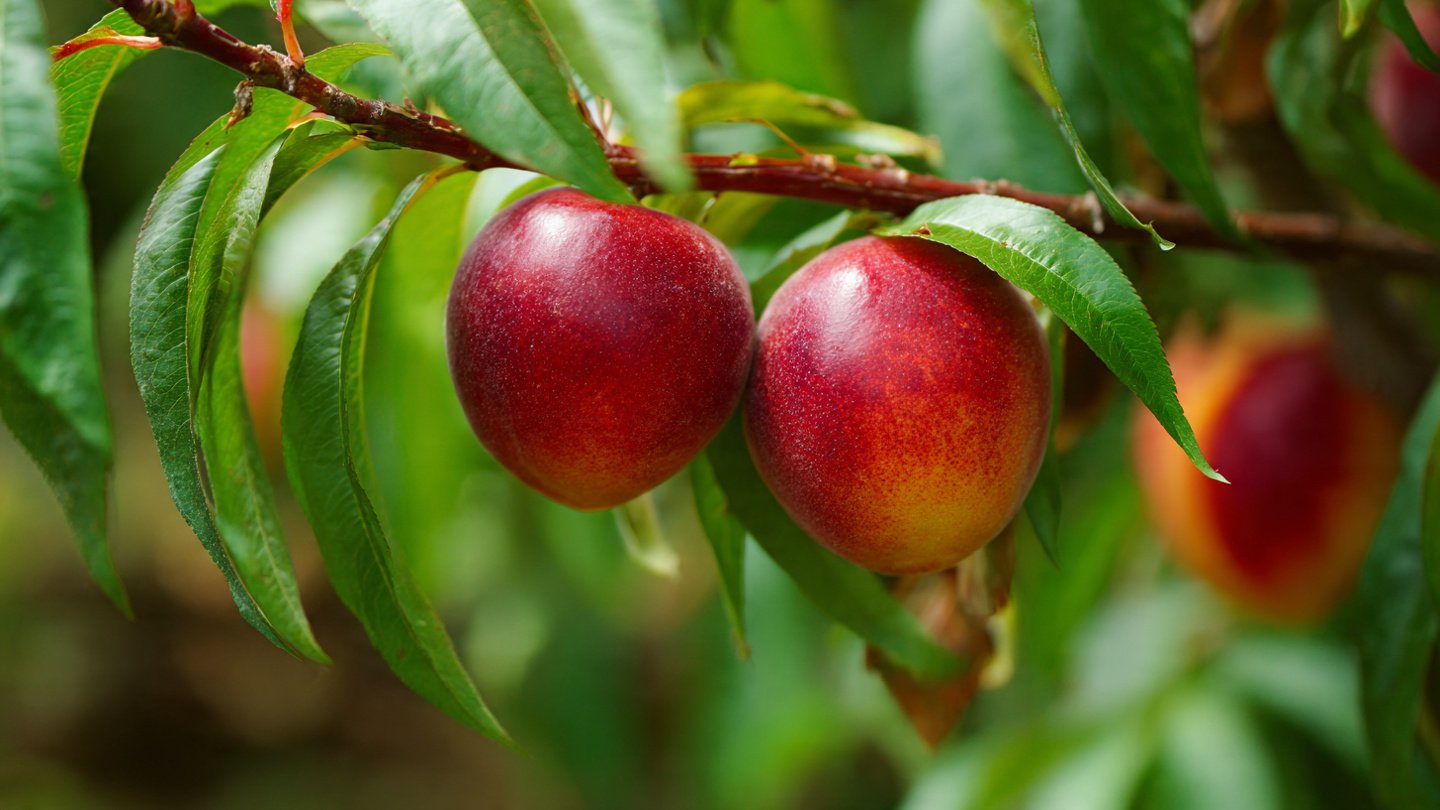
Growing fruit at home is a rewarding endeavor, offering fresh produce, enhanced aesthetics, and a deeper connection with nature. Nectarines, with their juicy, aromatic fruits and vibrant spring blossoms, are particularly appealing. However, traditional nectarine trees can grow quite large, making them unsuitable for small gardens or patios. Fortunately, compact nectarine trees—also called dwarf or semi-dwarf varieties—allow gardeners to enjoy homegrown nectarines even in limited spaces. This comprehensive guide covers everything you need to know to grow compact nectarine trees successfully in small spaces.
Understanding Compact Nectarine Trees
Compact nectarine trees are specifically bred or grafted to maintain a smaller size without compromising fruit quality. Unlike standard nectarine trees that can reach 15 to 20 feet in height, compact varieties typically grow between 6 and 10 feet. Some cultivars, combined with dwarfing rootstocks, can even be maintained at 4 to 6 feet, making them perfect for small gardens, containers, or balcony planters.
These smaller trees not only take up less space but are also easier to prune, harvest, and manage. Additionally, compact nectarines tend to bear fruit earlier than full-sized trees, allowing homeowners to enjoy their first harvest within a few years of planting.
Choosing the Right Variety
Selecting the appropriate variety is the first step to success. When choosing a compact nectarine tree, consider factors such as climate, pollination needs, and growth habit. Some popular compact nectarine varieties include ‘Bonanza,’ ‘Honey Blaze,’ and ‘Necta Zee,’ which are specifically bred for small gardens and container growing.
Another important consideration is self-pollination. While some nectarine trees require cross-pollination with another tree for fruit set, many compact varieties are self-pollinating, making them ideal for limited-space settings where planting multiple trees isn’t feasible.
Climate suitability is also essential. Nectarines thrive in regions with mild winters and warm summers. Ensure the chosen variety is hardy in your USDA zone or local climate to avoid frost damage or poor fruit development.
Selecting the Planting Site
Even compact nectarine trees need adequate sunlight to produce high-quality fruit. Choose a planting location that receives at least six to eight hours of direct sunlight daily. Sunlight is critical for flower development, fruit set, and sugar accumulation, resulting in juicy, flavorful nectarines.
Soil quality is another key factor. Nectarines prefer well-draining, slightly acidic to neutral soil with a pH between 6.0 and 7.0. Avoid low-lying areas where water may accumulate, as nectarine trees are sensitive to root rot. If soil drainage is poor, consider planting in raised beds or containers to prevent waterlogged roots.
Space is limited in small gardens, but compact trees still need sufficient room to grow. Allow at least 3 to 5 feet of clearance around the tree for air circulation, pruning, and harvesting. This spacing ensures the tree remains healthy and reduces the risk of fungal diseases.
Planting Compact Nectarine Trees
Planting properly sets the foundation for healthy growth and productivity. For bare-root trees, plant them in late winter or early spring before bud break. Dig a hole slightly larger than the root system, ensuring the graft union—the swollen area where the tree is grafted onto the rootstock—is above soil level. Fill the hole with native soil mixed with compost to provide nutrients and encourage root establishment.
Container-grown trees can be planted year-round in mild climates. When transplanting, gently loosen the root ball and remove any damaged roots. Place the tree in a prepared hole or larger container, backfill with well-draining soil, and water thoroughly to settle the soil around the roots.
Mulching around the base helps conserve moisture, regulate soil temperature, and suppress weeds. Use organic mulch such as wood chips or straw, keeping it a few inches away from the trunk to prevent rot and pest problems.
Watering Requirements
Consistent watering is crucial for compact nectarine trees, especially during the first year after planting. Deep, infrequent watering encourages strong root development. Water the tree once or twice a week, depending on weather conditions, soil type, and container size. Avoid shallow or frequent watering, which can lead to weak root systems and reduced drought tolerance.
During fruit development, maintain adequate moisture to prevent fruit drop and ensure proper sizing. In container-grown trees, monitor soil moisture more closely, as pots can dry out quickly during hot, dry periods. Using self-watering containers or drip irrigation systems can help maintain consistent hydration.
Fertilization for Optimal Growth
Compact nectarine trees require balanced nutrition to grow vigorously and produce abundant fruit. Apply a slow-release fertilizer with a balanced N-P-K ratio (such as 10-10-10) in early spring, just before new growth begins. Follow up with additional feeding during the growing season, especially after fruit set, to support fruit development and tree health.
Avoid over-fertilization, particularly with nitrogen, as excessive leafy growth can reduce fruit production and make the tree more susceptible to diseases. Container-grown trees may need more frequent feeding due to nutrient leaching from repeated watering.
Pruning and Training
Pruning is essential for maintaining a compact size and promoting strong structure. Start by shaping the tree in its first year, establishing a central leader or open-center framework. Remove any crossing, damaged, or weak branches to improve airflow and sunlight penetration.
Annual pruning is recommended during the dormant season to maintain the tree’s size, encourage lateral growth, and stimulate fruiting. For compact nectarines, pruning also prevents overcrowding in small spaces and makes harvesting more accessible.
Training the tree using stakes or support frames can be helpful, particularly in windy areas or for container-grown trees. Gently tie young branches to support structures, avoiding tight bindings that could damage stems.
Pest and Disease Management
Compact nectarine trees are susceptible to common pests such as aphids, scale, and spider mites. Regular inspection of leaves and stems is crucial for early detection. Organic solutions, including insecticidal soaps or neem oil, can control infestations without harming beneficial insects.
Diseases like peach leaf curl, brown rot, and powdery mildew can affect nectarines. Preventative measures include proper pruning for airflow, applying dormant fungicides before bud break, and removing fallen leaves and diseased fruit. Healthy cultural practices, combined with vigilance, help keep the tree productive and minimize chemical intervention.
Container Growing Considerations
Compact nectarine trees thrive in containers, making them ideal for balconies, patios, and small urban gardens. Choose a large container, at least 18 to 24 inches in diameter, to accommodate root growth. Ensure the container has adequate drainage holes to prevent waterlogging.
Use high-quality potting soil mixed with compost for optimal nutrition and drainage. Container trees require more frequent watering and fertilization than in-ground trees, so monitor their needs closely. Repotting every few years prevents the roots from becoming pot-bound and maintains tree health.
Container trees can also be moved to protect them from extreme weather, pests, or frost. In colder climates, consider insulating containers or bringing them indoors during winter to extend the tree’s lifespan and productivity.
Maximizing Fruit Production
To enjoy a bountiful harvest, pollination is crucial. While many compact nectarines are self-pollinating, planting two trees can increase fruit set and yield. Bees and other pollinators play a key role, so avoid insecticides during flowering and consider planting companion flowers to attract pollinators.
Thin fruits when they are small to prevent overcrowding. Removing excess fruit allows remaining nectarines to grow larger and reduces the risk of branch breakage. Regular monitoring, pruning, and watering also contribute to stronger fruit development.
Harvesting and Storage
Nectarines typically ripen in late summer, depending on the variety. Harvest fruit when it is fully colored, slightly soft to the touch, and aromatic. Avoid leaving fruit on the tree too long, as overripe nectarines may fall and attract pests.
Harvested nectarines can be stored at room temperature for a few days or refrigerated for up to a week. Enjoy them fresh, in desserts, or preserved for later use. Frequent harvesting encourages additional fruit set in some varieties.
Conclusion
Growing compact nectarine trees in small spaces is entirely feasible and highly rewarding. By selecting the right variety, providing proper sunlight, soil, and watering, and practicing diligent pruning and care, even limited-space gardeners can enjoy fresh, juicy nectarines at home. Container growing further expands possibilities, allowing patios, balconies, and urban gardens to host productive fruit trees.
With careful planning and attention to cultural practices, compact nectarine trees thrive, producing beautiful blossoms and delicious fruits year after year. These small but mighty trees not only enhance the aesthetics of your garden but also provide the satisfaction of homegrown fruit, making them an ideal choice for any space-conscious gardener.