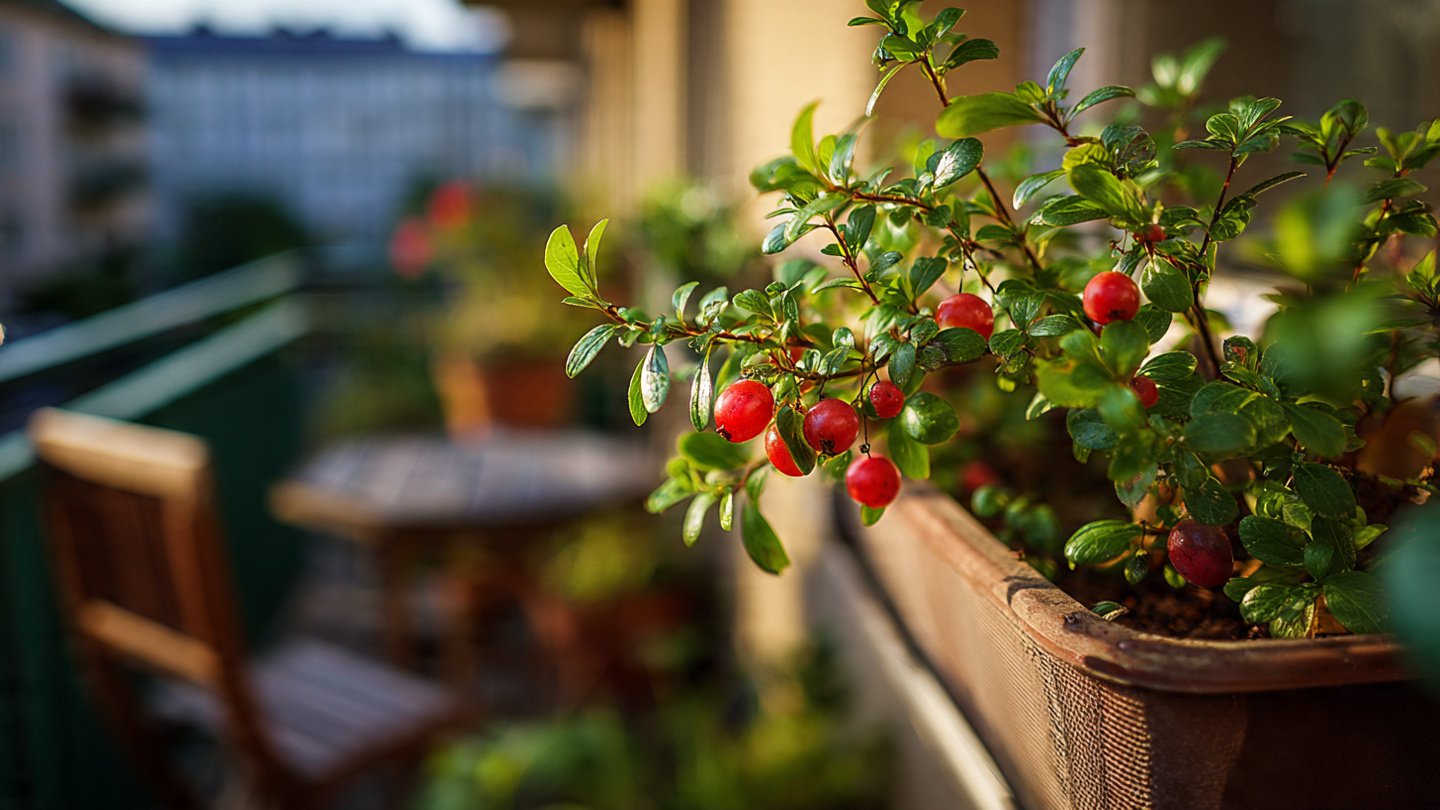
Urban living often comes with limited access to garden space, but that doesn’t mean you have to miss out on the joys of homegrown fruits. Among the most rewarding plants for small spaces are lingonberries. These hardy, low-growing shrubs produce bright red, tangy berries that are rich in antioxidants, vitamin C, and flavor. With careful attention to their needs, lingonberries can thrive even in containers on a balcony, bringing a touch of nature to city living. This ultimate guide will walk you through everything you need to know to successfully grow lingonberries in urban spaces.
Why Choose Lingonberries for Urban Gardening?
Lingonberries, also known as cowberries, are native to boreal forests and thrive in acidic, well-drained soil. They are exceptionally hardy, surviving harsh winters and tolerating a range of growing conditions. Their compact size makes them ideal for container gardening, and they can be grown in pots, raised beds, or even vertical planters.
For urban gardeners, lingonberries offer several advantages:
- Nutritional Value: Lingonberries are packed with antioxidants, vitamins, and minerals, offering a healthy addition to your diet.
- Low Maintenance: Once established, lingonberries require minimal pruning and are generally resistant to pests.
- Aesthetic Appeal: Their glossy green leaves, white or pink flowers, and vibrant red berries add beauty to small spaces.
- Year-Round Interest: Lingonberries are evergreen in many climates, providing greenery throughout the year.
Choosing the Right Container
Successful balcony lingonberry gardening starts with selecting the right container. Lingonberries have shallow root systems, so wide, shallow pots are ideal. Containers should have good drainage holes to prevent waterlogging, which can cause root rot. Materials like ceramic, terracotta, or high-quality plastic work well, but ensure the container is sturdy enough to withstand wind and outdoor exposure.
A pot with a depth of at least 12–16 inches and a diameter of 14–18 inches allows the plant to develop a healthy root system and retain enough moisture. For multiple plants, consider using a larger container to allow roots to spread without competition.
Selecting the Best Lingonberry Varieties
Not all lingonberries are created equal when it comes to container gardening. For urban spaces, compact, dwarf, or low-growing varieties are best. Popular options include:
- ‘Koralle’ – Produces large, flavorful berries and has a compact growth habit.
- ‘Red Pearl’ – Known for its vibrant red berries and disease resistance.
- ‘Glory’ – Cold-hardy and ideal for smaller containers.
Choose varieties suited to your climate and the growing conditions of your balcony. If you live in a warmer urban environment, opt for heat-tolerant cultivars and provide some shade during peak sun hours.
Soil Requirements for Lingonberries
Lingonberries thrive in acidic soil with a pH of 4.5–5.5. In urban settings, garden soil is often too alkaline for these berries. To create the right environment, use a mix of ericaceous compost, peat moss, and perlite or sand for drainage. Avoid using regular garden soil or heavy clay, as it can lead to poor drainage and root rot.
Maintaining soil acidity is crucial for nutrient uptake. Over time, soil pH may rise, so periodic application of acidic fertilizers or soil amendments like sulfur, pine needles, or composted bark can help maintain the ideal conditions.
Planting Lingonberries in Containers
- Prepare the Container: Fill the pot with a well-draining, acidic soil mix, leaving 2–3 inches at the top for watering.
- Positioning: Place the plant in the center of the container. Space multiple plants at least 6–8 inches apart to allow airflow and growth.
- Planting Depth: Plant at the same depth as the nursery pot to avoid exposing roots or burying the crown.
- Watering: Water thoroughly after planting to settle the soil and reduce transplant shock.
Light and Temperature Requirements
Lingonberries prefer full sun to partial shade. On a balcony, provide at least 4–6 hours of direct sunlight daily. In extremely hot climates, consider providing partial shade during the hottest part of the day to prevent leaf scorch and berry desiccation.
Lingonberries are hardy perennials and can tolerate cold winters, but container plants may require extra protection. In regions with freezing temperatures, wrap the container with insulating materials like burlap or bubble wrap, or move the pot to a protected location.
Watering and Humidity Considerations
Maintaining consistent moisture is essential for lingonberries. The soil should be damp but never waterlogged. Overwatering can lead to root rot, while underwatering can stress the plant and reduce berry production.
- Frequency: Water when the top inch of soil feels dry. During hot summer months, this may mean daily watering, especially in smaller containers.
- Techniques: Deep, slow watering encourages roots to grow downward and promotes healthy growth. Avoid frequent shallow watering, which can create weak root systems.
- Humidity: Urban balconies often have dry air due to wind or proximity to buildings. Placing a tray of water near the plant or misting occasionally can help maintain humidity.
Fertilization Tips
Lingonberries are light feeders but benefit from occasional fertilization, especially in containers where nutrients deplete faster. Use fertilizers formulated for acid-loving plants, such as rhododendrons or azaleas.
- Apply a balanced slow-release fertilizer in spring and a second lighter application during early summer.
- Avoid high-nitrogen fertilizers, which can promote excessive leaf growth at the expense of flowers and berries.
- Organic options like composted pine needles, acidic compost, or well-decomposed peat can also provide nutrients while maintaining soil acidity.
Pruning and Maintenance
Pruning helps maintain the shape of container lingonberries and encourages new growth. Remove dead, damaged, or weak branches in early spring before the growing season begins. Minimal pruning is usually required, but light trimming after berry harvest keeps the plant tidy and promotes better airflow, reducing the risk of fungal diseases.
Regularly inspect leaves and berries for pests, such as aphids or spider mites, and treat infestations promptly using natural methods like insecticidal soap or neem oil. Remove fallen leaves and debris to reduce disease pressure and maintain a clean container environment.
Pollination and Berry Production
Lingonberries are self-fertile, meaning a single plant can produce berries. However, planting two or more varieties close together can enhance pollination and increase yield. Bees and other pollinators play an important role, so if your balcony is high above street level, you may need to hand-pollinate flowers with a small brush to ensure fruit set.
Expect fruiting to begin in the second or third year, as lingonberries take time to establish. Patience is key; early growth focuses on root development and establishing the plant’s overall health.
Overwintering Lingonberries on a Balcony
Urban gardeners face challenges in overwintering container plants. Lingonberries tolerate cold, but container roots are more vulnerable than in-ground plants. Strategies to protect them include:
- Insulating the Pot: Wrap containers in burlap, foam, or bubble wrap to reduce frost penetration.
- Mulching: Add a thick layer of straw, pine needles, or shredded bark on top of the soil.
- Relocating: Move pots to sheltered spots against walls or inside a garage, sunroom, or covered balcony.
Proper overwintering ensures that your lingonberries survive and thrive for many years, providing a reliable harvest each season.
Harvesting Lingonberries
Lingonberries are usually ready for harvest in late summer to early fall. The berries should be firm, glossy, and fully red. Harvest carefully to avoid damaging branches or foliage. Lingonberries can be eaten fresh, frozen, or preserved as jams, sauces, or juices.
Harvesting regularly encourages continued fruit production and prevents berries from falling and attracting pests. With proper care, a container lingonberry can provide a generous harvest year after year, even in small urban spaces.
Conclusion
Growing lingonberries on a balcony in an urban environment is not only possible but highly rewarding. By selecting the right varieties, providing acidic, well-draining soil, maintaining proper watering, and protecting the plants from extreme conditions, gardeners can enjoy a vibrant, productive container garden. Beyond the delicious, nutrient-rich berries, lingonberries bring aesthetic beauty, greenery, and a sense of nature to city living.
With patience, attention, and care, your balcony can become a thriving lingonberry oasis, turning limited space into a fruitful retreat. Urban gardening challenges are real, but with resilient plants like lingonberries, even the smallest spaces can yield impressive results, offering nourishment, beauty, and a connection to nature in the heart of the city.