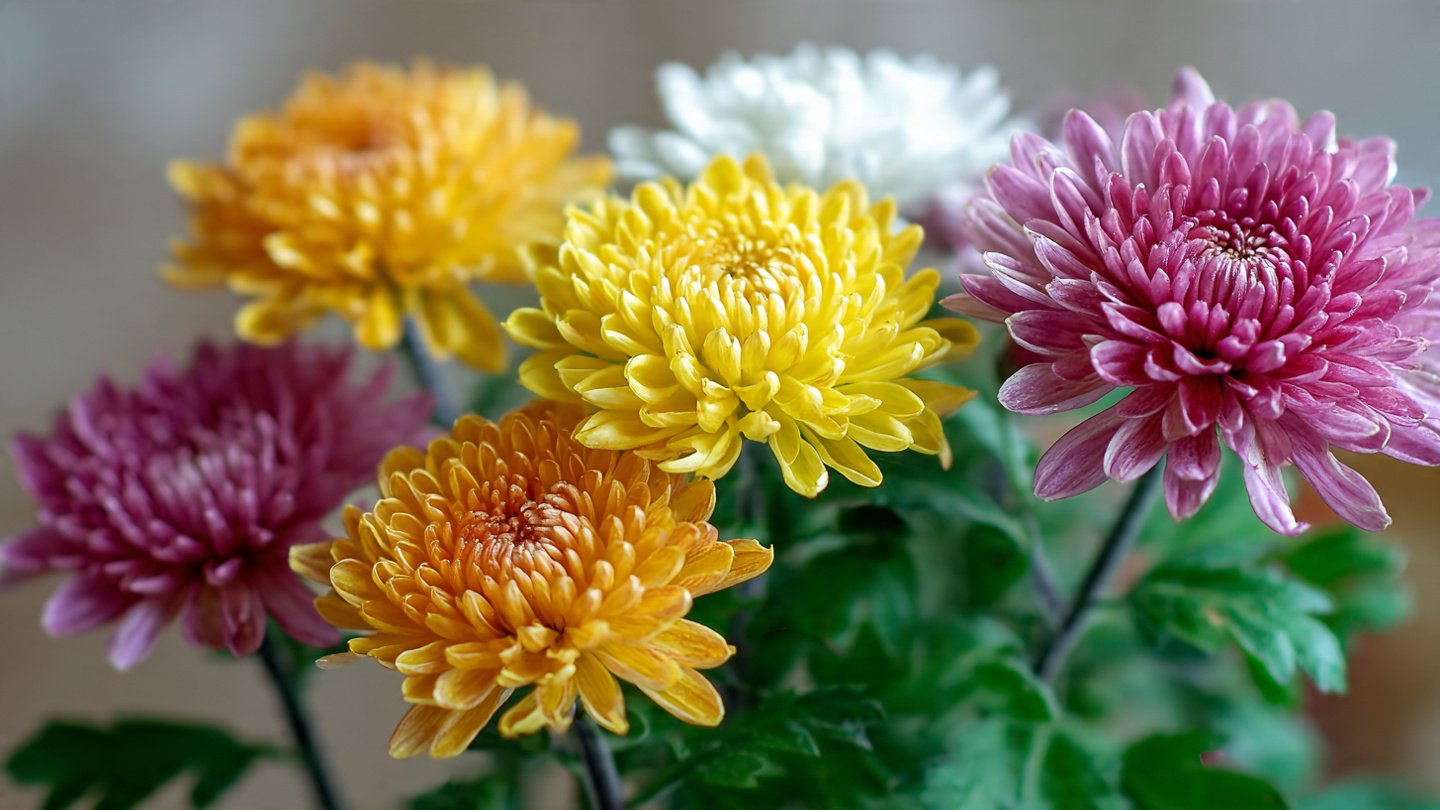
Chrysanthemums, often called “mums,” are one of the most beloved flowering plants for home gardens. Known for their vibrant blooms and wide range of colors—from fiery reds to sunny yellows and soft pastels—these flowers can brighten any landscape or container garden. While chrysanthemums are widely available as nursery plants, propagating them from cuttings is a rewarding and cost-effective way to multiply your favorite varieties. Growing chrysanthemums from cuttings ensures that you preserve the parent plant’s characteristics, resulting in identical, high-quality blooms. This guide provides the best method to grow chrysanthemums from cuttings and tips to achieve thriving flowers in your home garden.
Why Grow Chrysanthemums from Cuttings?
Propagation through cuttings has several advantages over seeds. Chrysanthemums grown from seeds may vary in color, shape, and bloom quality due to genetic diversity. Cuttings, on the other hand, are clones of the parent plant, maintaining the exact traits of the original. Additionally, cuttings tend to bloom faster than seed-grown plants since they start with a mature plant segment rather than an immature seedling. For gardeners aiming to preserve specific cultivars or expand their collection, cuttings are the ideal method.
Selecting the Right Chrysanthemum Cuttings
The first step in successful propagation is choosing healthy cuttings. Chrysanthemum cuttings should come from vigorous, disease-free parent plants that have strong growth. Ideally, the parent plant should be in its active growing phase, usually during spring or early summer, when the plant is producing new shoots.
When taking cuttings, select 3–5 inch long stem sections with at least 3–4 leaves attached. Avoid stems that are woody or flowering, as these are less likely to root successfully. Soft, green stems are ideal because they are actively growing and contain enough energy reserves to develop roots quickly.
Preparing Chrysanthemum Cuttings
Once you’ve selected your stems, preparation is key to ensure high rooting success. Follow these steps:
- Trim the Cutting: Remove any flowers or buds from the stem. This allows the cutting to focus energy on root development instead of flowering.
- Remove Lower Leaves: Strip off the lower 1–2 leaves from the cutting to prevent rot when planted in soil or rooting medium. Leave 1–2 leaves at the top for photosynthesis.
- Optional Rooting Hormone: Dip the cut end of the stem in rooting hormone powder or gel. Rooting hormones contain auxins that stimulate root development and improve success rates. While optional, using a rooting hormone significantly increases the likelihood of successful propagation.
Choosing the Right Growing Medium
A well-draining growing medium is essential for chrysanthemum cuttings. Excess moisture can lead to rot, while poor aeration can inhibit root development. A mixture of equal parts peat moss and perlite or vermiculite provides an ideal environment. This blend retains moisture while allowing air to reach the developing roots.
Fill a clean container or seed tray with the rooting medium and moisten it thoroughly before planting. Avoid waterlogged soil, as this can cause fungal infections and reduce rooting success.
Planting the Chrysanthemum Cuttings
Planting cuttings properly is critical for healthy root development. Make a small hole in the rooting medium and gently insert the cut end of the stem 1–2 inches deep. Firm the medium around the cutting to ensure good contact with the soil. Plant multiple cuttings in a tray, but leave enough space between them to prevent overcrowding and allow airflow. Overcrowded cuttings are more prone to disease and slower root growth.
Providing Optimal Conditions for Rooting
Chrysanthemum cuttings require a controlled environment to encourage rooting. Maintaining consistent humidity, warmth, and light is key.
- Humidity: Cover the cuttings with a clear plastic dome or plastic bag to create a mini greenhouse. This retains moisture around the leaves and reduces transpiration. Be sure to ventilate occasionally to prevent fungal growth.
- Temperature: Keep the cuttings in a warm location, ideally between 65–75°F (18–24°C). Avoid direct sunlight, which can scorch the leaves. Indirect light or filtered sunlight is best for rooting.
- Moisture: Keep the rooting medium consistently moist but not soggy. Mist the cuttings daily if necessary to maintain humidity.
Monitoring and Supporting Root Development
Rooting typically occurs within 2–4 weeks, depending on the variety and environmental conditions. Gently tug on the cuttings after about three weeks to check for resistance, which indicates root formation. Once roots are established, gradually acclimate the cuttings to normal humidity levels by removing the plastic cover for longer periods each day. This process, called “hardening off,” helps the young plants adjust to outdoor conditions.
Transplanting Rooted Chrysanthemum Cuttings
Once the cuttings have developed a strong root system, they are ready to be transplanted into individual pots or directly into the garden. Use a nutrient-rich potting soil or well-prepared garden bed with good drainage. When transplanting, be careful not to damage the delicate new roots. Water thoroughly after planting to help the plant settle into its new environment.
Care for Young Chrysanthemum Plants
Young chrysanthemums need attentive care to thrive and produce abundant blooms. Key aspects of care include:
- Watering: Maintain consistent soil moisture, avoiding both drought and waterlogging. Newly rooted cuttings are sensitive and need stable conditions.
- Fertilization: Feed the young plants with a balanced, water-soluble fertilizer every two weeks. Once the plants are more established, switch to a fertilizer high in phosphorus to encourage blooming.
- Sunlight: Chrysanthemums require full sun for 6–8 hours a day to promote healthy growth and vibrant flowers. For indoor plants, provide supplemental grow lights if natural light is insufficient.
- Pruning: Pinch back new growth to encourage bushy, compact plants. Removing weak or yellowing leaves also supports overall plant health.
Pest and Disease Management
Chrysanthemums are prone to common garden pests such as aphids, spider mites, and whiteflies. Regularly inspect leaves and stems and treat infestations promptly. Natural remedies such as neem oil or insecticidal soap can help manage pests without harming beneficial insects.
Diseases such as powdery mildew, leaf spot, and root rot can affect chrysanthemums if conditions are not optimal. Ensure proper spacing, good air circulation, and well-draining soil to prevent fungal issues.
Encouraging Blooming
To achieve vibrant, thriving blooms, chrysanthemum cuttings require proper care throughout the growing season. Pinching back the tips of branches until midsummer encourages branching and denser growth, which leads to more flower buds. Once buds begin to form, stop pinching to allow flowers to develop fully. Supporting taller varieties with stakes can prevent breakage from wind or heavy blooms.
Overwintering Chrysanthemums
Chrysanthemums are perennials in many climates but may require protection in colder regions. For potted plants, move them to a sheltered location such as a garage, greenhouse, or indoors. Mulching outdoor plants with straw or compost helps insulate the roots during winter. Reducing watering during dormancy prevents root rot while maintaining enough moisture for survival.
Advantages of Growing Chrysanthemums from Cuttings
Propagating chrysanthemums from cuttings offers numerous benefits:
- Genetic Consistency: Produces plants identical to the parent with predictable color, shape, and bloom characteristics.
- Faster Flowering: Cuttings bloom more quickly than seed-grown plants.
- Cost-Effective: Allows gardeners to multiply favorite varieties without purchasing new plants.
- Satisfaction: Provides a rewarding gardening experience as you nurture plants from stem to full bloom.
Final Thoughts
Growing chrysanthemums from cuttings is a practical and rewarding method for home gardeners who want to enjoy thriving blooms year after year. By carefully selecting healthy cuttings, using proper rooting techniques, and providing optimal care, gardeners can produce robust plants that mirror the beauty of their parent specimens. The process not only preserves favorite varieties but also fosters a deeper connection to the plants as you guide them from delicate cuttings to full-flowered glory.
Consistency, patience, and attention to detail are key to success. Each cutting represents potential—an opportunity to cultivate vibrant blooms that can transform your garden space or provide stunning arrangements for your home. With the steps outlined in this guide, gardeners can confidently propagate chrysanthemums and enjoy a season filled with color, fragrance, and the satisfaction of growing thriving blooms from cuttings.