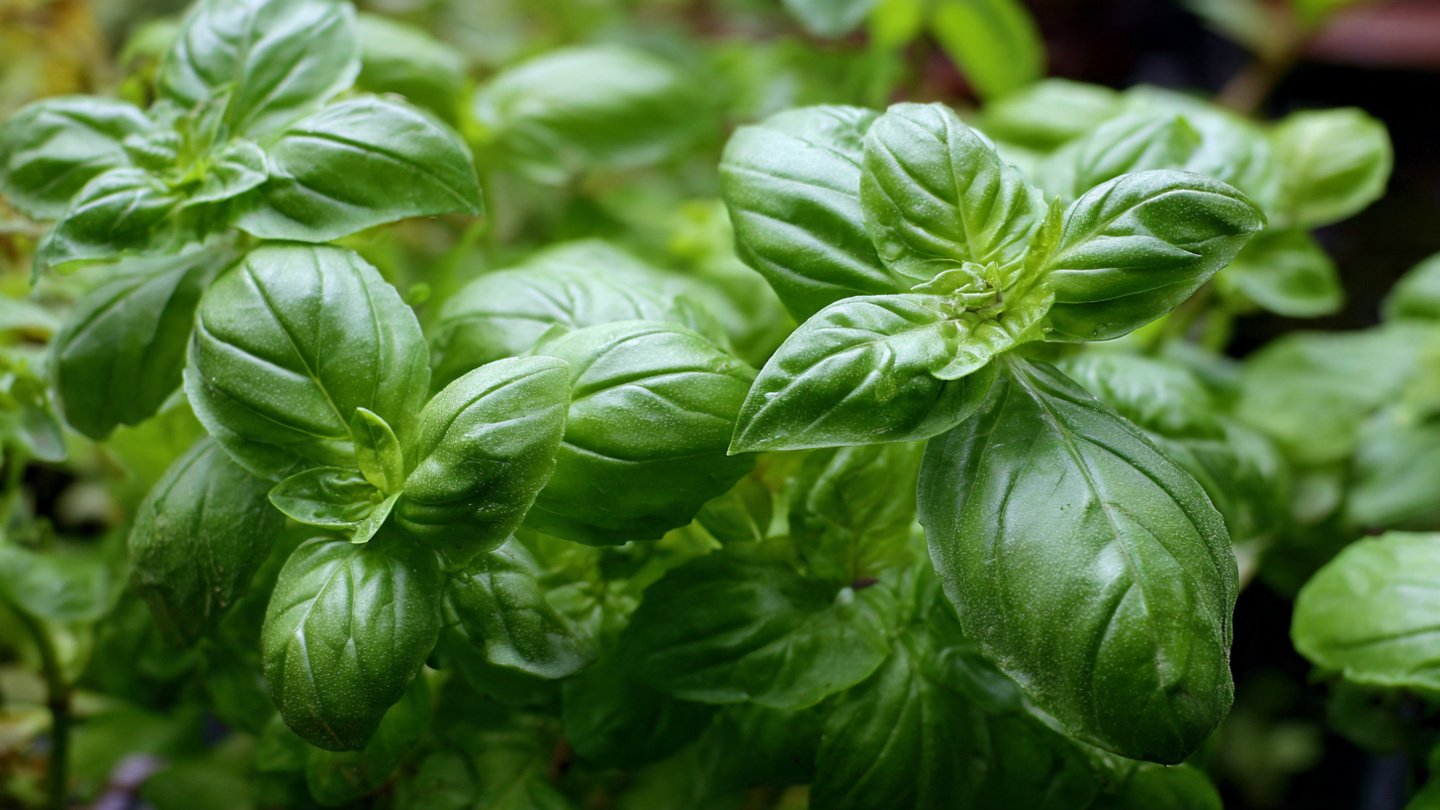
Basil is one of the most popular and versatile herbs in the world, celebrated for its aromatic leaves, culinary uses, and therapeutic benefits. Its sweet, peppery flavor enhances a wide range of dishes, from classic Italian pasta sauces to Southeast Asian curries and refreshing teas. Growing basil in warm climates presents a unique opportunity to cultivate this herb year-round, ensuring a constant supply for cooking, garnishing, or even herbal remedies. However, basil requires careful attention to soil, watering, sunlight, and pruning to thrive in hotter regions. This guide provides comprehensive steps for successfully growing basil in warm climates, helping gardeners create a productive and thriving herb garden throughout the year.
Understanding Basil and Its Varieties
Basil (Ocimum basilicum) is an annual or perennial herb, depending on climate conditions, and is best known for its tender, aromatic leaves. There are numerous varieties, each with distinctive flavors and appearances. Sweet basil is most common in Italian cuisine, while Thai basil adds a licorice-like flavor to Asian dishes. Other varieties include lemon basil, holy basil, cinnamon basil, and purple basil, each offering unique culinary and aesthetic qualities.
In warm climates, basil has the advantage of growing continuously throughout the year, unlike in cooler regions where frost limits its growing season. Understanding the specific variety you wish to grow helps optimize care, as some varieties tolerate heat better than others.
Choosing the Right Planting Site
Basil thrives in full sunlight, making warm climates ideal for its growth. Select a planting site that receives at least 6 to 8 hours of direct sunlight daily. Sunlight is essential for robust leaf development, strong stems, and optimal flavor. In extremely hot regions, partial afternoon shade can protect the plant from scorching, particularly during peak summer temperatures exceeding 90°F (32°C).
Soil conditions are equally important. Basil prefers well-draining, nutrient-rich soil with a pH between 6.0 and 7.5. Sandy loam or loamy soils enriched with organic matter are ideal. Poorly drained soils can lead to root rot, especially in areas with occasional heavy rainfall. Amending the soil with compost, aged manure, or other organic materials improves fertility, water retention, and soil structure.
Propagation and Planting Techniques
Basil can be grown from seeds, cuttings, or transplants. Seeds are the most common and cost-effective method. Start seeds indoors in seed trays or small pots to control temperature and moisture. Use a light, well-draining seed-starting mix and plant seeds ¼ inch deep. Keep the soil consistently moist but not waterlogged, and maintain a warm environment around 70–75°F (21–24°C) for optimal germination, which usually occurs within 5–10 days.
Once seedlings develop 2–4 true leaves and are about 3–4 inches tall, they can be transplanted outdoors. Space basil plants 12–18 inches apart to ensure proper airflow and reduce the risk of disease. For container gardening, use pots that are at least 6–8 inches deep with good drainage holes. Warm climates allow for planting basil year-round, but avoid transplanting during extreme heat waves or drought periods without proper irrigation.
Watering and Irrigation
Basil requires consistent moisture but does not tolerate soggy soil. In warm climates, evaporation rates are high, so frequent, shallow watering is insufficient. Instead, water deeply and regularly to encourage strong root development. Early morning watering is preferable, as it minimizes leaf evaporation and reduces the risk of fungal diseases caused by overnight moisture.
Mulching around the base of the plants helps retain soil moisture, suppress weeds, and regulate soil temperature. Organic mulch such as straw, shredded leaves, or compost also gradually enriches the soil as it decomposes. Avoid wetting the foliage directly to prevent fungal infections like downy mildew, which can affect basil in humid climates.
Fertilization and Nutrient Management
Basil is a moderately heavy feeder and benefits from regular fertilization. Use a balanced, all-purpose fertilizer or a slow-release organic option to provide essential nutrients. Nitrogen promotes leaf growth, while phosphorus and potassium support root development and overall plant health. Fertilize every 4–6 weeks during the growing season or incorporate compost directly into the soil.
Foliar feeding with diluted liquid fertilizers can provide an additional nutrient boost, especially during the peak growing season. Be careful not to over-fertilize, as excessive nitrogen can result in lush foliage but reduced flavor intensity in the leaves.
Pruning and Harvesting Techniques
Pruning is crucial for encouraging bushy growth and prolonging the harvest period. Regularly pinch or cut back the growing tips just above a pair of leaves. This prevents flowering, which can cause leaves to become bitter and slow growth. In warm climates, basil may flower quickly if not pruned, especially under long daylight hours.
Harvest leaves consistently to stimulate new growth. Start harvesting from the top, taking no more than one-third of the plant at a time to maintain its health. Harvesting early in the morning captures the plant’s peak flavor. For long-term storage, leaves can be dried, frozen, or made into pesto.
Pest and Disease Management
Even in warm climates, basil can be susceptible to pests and diseases. Common pests include aphids, whiteflies, spider mites, and slugs. Use organic pest control methods such as neem oil, insecticidal soaps, or introducing beneficial insects like ladybugs to manage infestations.
Fungal diseases such as downy mildew, fusarium wilt, or leaf spot can occur in humid conditions. Preventative measures include proper spacing, avoiding overhead watering, ensuring good airflow, and removing any affected leaves immediately. Crop rotation and soil sterilization can also reduce disease incidence over time.
Companion Planting and Garden Design
Basil grows well alongside a variety of vegetables and herbs, enhancing both growth and flavor. Companion plants include tomatoes, peppers, oregano, and marigolds. Basil can repel certain pests, such as mosquitoes and aphids, making it a beneficial addition to vegetable gardens.
Incorporate basil into raised beds, containers, or borders to maximize space in warm climate gardens. Its vibrant green or purple leaves add aesthetic appeal, while its aromatic qualities enhance the sensory experience of the garden. Mixing different basil varieties, such as sweet, lemon, and purple basil, can create visual interest and a diverse flavor profile for culinary use.
Year-Round Cultivation Strategies
Warm climates allow for continuous basil cultivation throughout the year. To maintain a productive herb garden year-round, consider staggered planting or succession planting every few weeks. This ensures a constant supply of fresh leaves and prevents periods of dormancy.
During extreme heat or drought periods, provide temporary shade and supplemental irrigation. Protect plants from strong winds, which can damage tender stems and leaves. In cooler months, use frost protection techniques, such as row covers or greenhouse setups, if temperatures occasionally drop below 50°F (10°C).
Enhancing Flavor and Aromatic Qualities
Flavor intensity in basil depends on growing conditions. Plants grown in full sunlight, with consistent moisture and proper fertilization, develop the most aromatic and flavorful leaves. Avoid overwatering or overcrowding plants, as these conditions can dilute flavor and reduce essential oil concentration in the leaves.
Regular pruning and harvesting also promote more concentrated flavor. By pinching back flowering stems, the plant redirects energy to leaf production, resulting in tastier, more aromatic leaves ideal for culinary use.
Conclusion
Growing basil successfully in warm climates year-round requires careful attention to sunlight, soil, watering, fertilization, and pruning. By selecting the right variety, providing consistent care, and managing pests and diseases, gardeners can enjoy a thriving herb garden that produces flavorful, aromatic leaves throughout the year.
Basil’s versatility makes it a valuable addition to any garden, whether used in cooking, garnishing, or herbal remedies. Its vibrant foliage, aromatic scent, and continuous growth in warm climates enhance both the visual and functional appeal of outdoor spaces. By following proper cultivation techniques, gardeners can ensure that their basil plants remain healthy, productive, and visually appealing year-round, creating a lush, aromatic sanctuary that enhances both the garden and the kitchen.