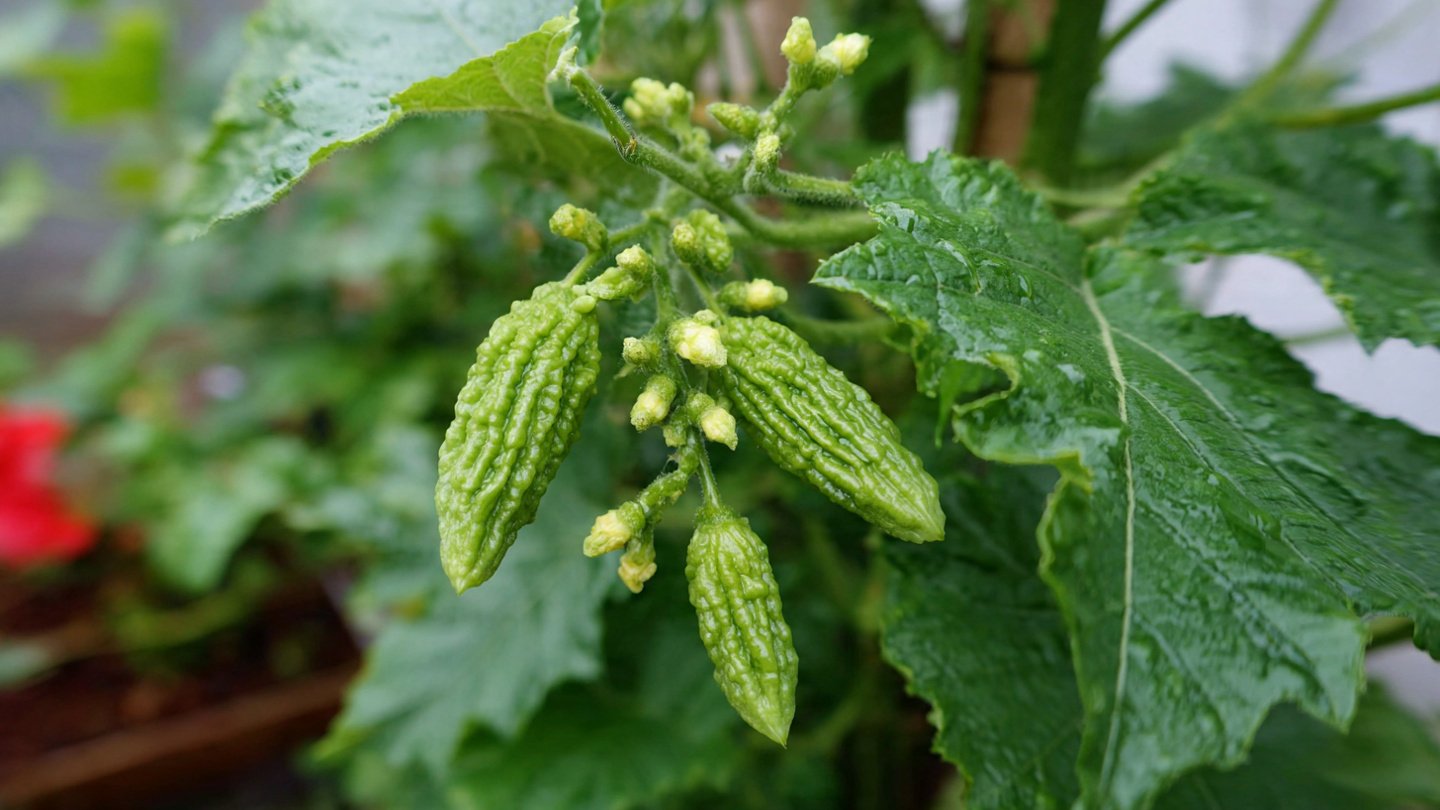
Karela, also known as bitter gourd or bitter melon (Momordica charantia), is a highly nutritious vegetable valued for its unique flavor and medicinal properties. It is rich in vitamins, minerals, and antioxidants and is especially known for supporting blood sugar regulation and digestive health. However, many gardeners face challenges while cultivating karela, particularly the problem of flower drop, which can significantly reduce yield. Flower drop occurs when the plant sheds flowers before they can develop into fruits, often due to environmental stress, poor nutrition, or improper care. Fortunately, with the right methods and natural practices, you can grow healthy karela plants and prevent flower drop, ensuring a bountiful harvest.
Selecting the Right Variety
Successful karela cultivation begins with selecting the right variety. Bitter gourd comes in different types, including long, slender, and small-fruited varieties. Some are more tolerant to high temperatures and variable growing conditions, while others produce fewer flowers that are prone to dropping.
Choosing a variety known for resilience and consistent flowering reduces the risk of flower drop. Look for hybrid seeds or traditional varieties adapted to your local climate. Certified seeds from trusted suppliers also ensure better germination rates and stronger seedlings, which form the foundation for healthy fruit production.
Preparing the Soil
Karela thrives in well-drained, fertile soil. Loose, sandy loam or loamy soil enriched with organic matter promotes strong root development and healthy growth. Before planting, it is advisable to mix compost, well-rotted manure, or vermicompost into the soil. This natural enrichment provides essential nutrients, improves soil structure, and enhances water retention while preventing nutrient deficiencies that can lead to flower drop.
The soil pH should ideally be slightly acidic to neutral, around 6.0 to 7.0. Avoid waterlogged or heavy clay soils, as excessive moisture retention can damage the roots, encourage fungal infections, and cause premature flower shedding. Preparing raised beds or mounds can help improve drainage and airflow around the plants.
Germinating Seeds Properly
Proper seed germination sets the stage for strong karela seedlings. Soak seeds in warm water for 24 hours before planting to soften the tough seed coat, which improves germination rates. Plant the seeds about half an inch deep in seed trays or directly in prepared soil.
Provide consistent warmth, moisture, and indirect sunlight during germination. Seeds typically sprout within 7 to 10 days. Using natural stimulants, such as a weak cow dung solution or a mixture of compost tea, can promote strong early growth, helping seedlings establish well and produce flowers less prone to dropping.
Providing Adequate Support
Karela is a climbing vine that grows vigorously. Providing vertical support, such as trellises, bamboo poles, or netting, allows the plant to climb and reduces stress on flowers and developing fruits. When flowers hang freely without obstruction, they are less likely to fall prematurely.
Trellising also improves air circulation, reduces pest infestation, and exposes leaves and flowers to sufficient sunlight, all of which contribute to healthier plants and reduced flower drop. A sturdy support system ensures the vine can bear the weight of developing fruits without compromising flower retention.
Ensuring Proper Light Exposure
Adequate sunlight is crucial for karela flowering. The plant thrives in full sun, requiring at least 6–8 hours of direct sunlight per day. Light influences flower formation, nectar production, and pollination success. Insufficient light can weaken the plant, cause premature flower drop, and reduce fruit set.
If growing karela in a partially shaded area or indoors with limited sunlight, consider reflective surfaces, light-colored walls, or supplemental grow lights to maximize light exposure. Positioning plants strategically and rotating them if necessary ensures even light distribution, promoting robust flowering.
Balanced Watering
Proper watering is one of the most important factors in preventing flower drop. Karela prefers consistent soil moisture but does not tolerate waterlogging. Irregular watering, prolonged drought, or excessive moisture stress the plant, leading to flower shedding.
Use drip irrigation or a soaker hose for consistent watering, keeping the soil evenly moist. Mulching around the base of the plant with organic materials such as straw, dry leaves, or grass clippings helps retain soil moisture, regulates temperature, and reduces water evaporation. Avoid overhead watering during peak sunlight hours, as wet foliage can encourage fungal diseases that stress the plant.
Fertilization for Flower Retention
Balanced fertilization supports flower development and reduces flower drop naturally. Nitrogen is essential for leaf growth, while phosphorus promotes flower formation, and potassium strengthens overall plant health and fruiting.
Apply a balanced organic fertilizer, such as compost, vermicompost, or well-rotted manure, at the time of planting. Once the plants begin flowering, supplement with phosphorus-rich natural fertilizers like bone meal or rock phosphate to encourage flower retention and fruit set. Avoid excessive nitrogen during the flowering stage, as it promotes vegetative growth at the expense of flowers, leading to premature shedding.
Natural Flower Drop Prevention Techniques
Several natural methods can prevent karela flower drop while minimizing chemical inputs:
- Pollination Assistance – Inadequate pollination can result in flowers dropping. Encourage pollinators like bees and butterflies by planting flowering companions nearby. Alternatively, hand-pollinate flowers using a soft brush or cotton swab to transfer pollen from male to female flowers.
- Mulching and Moisture Regulation – Organic mulch reduces water stress and maintains soil temperature, preventing environmental stress that contributes to flower drop.
- Temperature Management – Karela flowers are sensitive to extreme heat or cold. Providing shade during peak summer hours or using row covers during cold spells reduces environmental stress and promotes flower retention.
- Pruning and Vine Management – Trim excessive lateral shoots to reduce the burden on the main vine. A well-managed vine focuses energy on flowering and fruit set, minimizing flower loss.
- Companion Planting – Planting herbs and flowering plants nearby, such as marigolds or basil, attracts beneficial insects and improves pollination rates naturally, reducing the need for manual interventions.
Controlling Pests and Diseases Naturally
Pests and diseases often stress the plant and contribute to flower drop. Common issues in karela include aphids, fruit flies, whiteflies, powdery mildew, and downy mildew. Early detection and natural management help prevent flower shedding:
- Neem Oil or Organic Sprays – Spraying neem oil or garlic-chili solution on affected areas controls pests naturally.
- Physical Removal – Inspect plants regularly and remove damaged leaves or infected parts to prevent spread.
- Companion Planting – Certain plants repel pests naturally and improve plant health. Marigolds and nasturtiums can act as pest deterrents around karela plants.
- Proper Air Circulation – Trellising and proper spacing reduce fungal disease risk and minimize stress-induced flower drop.
Harvesting at the Right Time
Timely harvesting encourages continuous flowering and prevents natural flower drop. Karela fruits should be harvested when they are young and tender, typically 10–15 days after flowering, depending on the variety. Overripe fruits can cause the vine to redirect energy away from new flowers, leading to flower shedding.
Regular harvesting also ensures the plant maintains optimal energy distribution, supporting a continuous cycle of flowering and fruiting while keeping flower drop to a minimum.
Environmental Considerations
Maintaining a stable environment is key to preventing flower drop. Extreme fluctuations in temperature, humidity, or light can stress the plant, causing flowers to fall prematurely. Monitor weather conditions and adjust care practices accordingly, such as providing shade nets during heat waves or mulching during dry periods.
Indoor gardeners can simulate optimal conditions by using grow lights, humidifiers, and temperature regulation to create a controlled environment that supports flower retention and healthy fruit production.
Conclusion
Growing karela successfully while preventing flower drop naturally is achievable with careful planning and consistent care. The key factors include selecting a resilient variety, preparing fertile and well-drained soil, providing adequate sunlight and support, maintaining balanced watering and fertilization, and implementing natural techniques for flower retention.
By understanding the plant’s growth habits and mimicking its natural tropical environment, gardeners can reduce stress factors that lead to flower drop. Incorporating pollinator-friendly practices, mulching, pruning, and pest management ensures strong flowering and continuous fruit set.
With patience and attention to detail, even beginner gardeners can cultivate vibrant, healthy karela plants that produce tender, flavorful fruits while minimizing flower drop. By following these natural methods, you not only enhance yield but also grow karela in an eco-friendly and sustainable manner, ensuring a bountiful harvest that is both rewarding and satisfying.