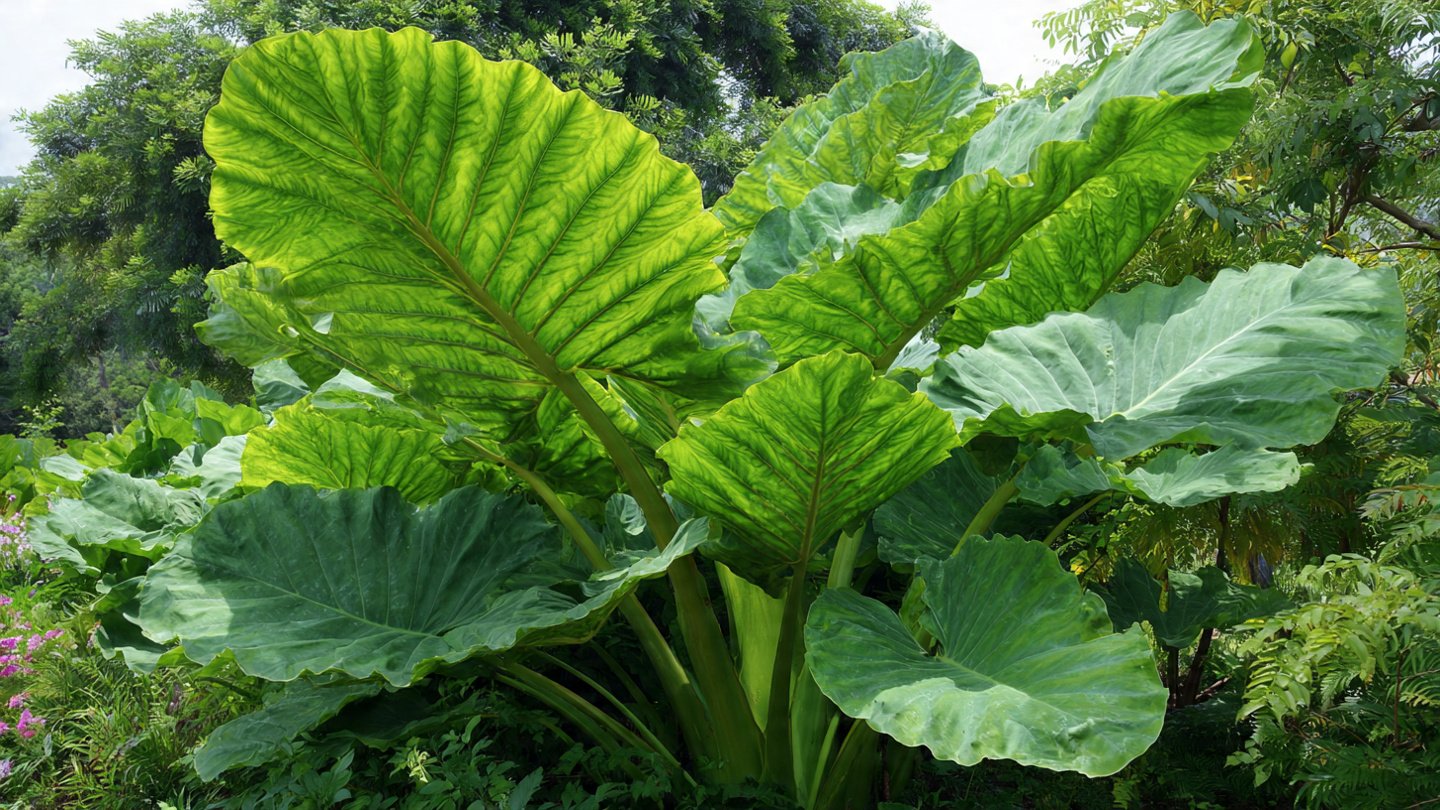
Elephant ear plants are celebrated for their dramatic, oversized foliage that instantly transforms any garden into a lush, tropical showcase. With leaves that can span several feet in width, these plants create a bold visual impact unmatched by most ornamentals. Whether planted in garden beds, borders, or large containers, elephant ear plants command attention and add architectural structure to landscapes. Growing them successfully requires an understanding of their needs, from soil and sunlight to water and seasonal care. This guide provides everything you need to know to cultivate healthy elephant ear plants that become the focal point of your outdoor space.
Elephant ear is a common name used for several tropical and subtropical plants grown primarily for their large leaves. These plants thrive in warm, humid environments and reward gardeners with rapid growth and striking foliage when their basic requirements are met. While they may look exotic and demanding, elephant ear plants are surprisingly manageable with proper care.
Understanding the growth habits of elephant ear plants is the first step toward success. These plants grow from underground tubers or corms that store energy for rapid leaf production. Once planted in favorable conditions, they produce large heart-shaped or arrow-shaped leaves held on thick, upright stems. Depending on the variety and environment, plants can range from three to ten feet tall, making them ideal for creating height and drama in landscapes.
Choosing the right location is crucial for achieving a bold leaf display. Elephant ear plants prefer warm conditions and perform best when temperatures remain consistently above sixty degrees Fahrenheit. They thrive in areas that receive bright light, though the intensity of sunlight should be carefully managed. In cooler climates, full sun encourages vigorous growth, while in hotter regions, partial shade protects leaves from scorching. Morning sun combined with afternoon shade is often ideal, allowing the plants to photosynthesize efficiently without stress.
Soil quality plays a major role in leaf size and overall plant health. Elephant ear plants prefer rich, fertile soil with excellent moisture retention. Loamy soil amended with organic matter such as compost or aged manure provides the nutrients needed for continuous growth. Good drainage is equally important, as waterlogged soil can lead to tuber rot. The ideal soil is consistently moist but never saturated, allowing roots to breathe while accessing sufficient water.
Planting elephant ear tubers correctly ensures strong establishment. Tubers should be planted in spring once the risk of frost has passed and the soil has warmed. Place them several inches deep with the growing tip facing upward. Spacing is important, as crowded plants compete for nutrients and light. Allow enough room for mature leaf spread, which encourages maximum leaf size and reduces disease risk caused by poor air circulation.
Watering is one of the most important aspects of elephant ear care. These plants are naturally found in moist environments and have high water demands, especially during periods of active growth. Regular, deep watering keeps the soil evenly moist and supports large leaf development. In hot weather, elephant ear plants may require daily watering, particularly when grown in containers. Mulching around the base helps retain moisture, regulate soil temperature, and reduce evaporation.
Fertilization is essential for maintaining the bold, lush appearance that elephant ear plants are known for. Their rapid growth and large leaves require ample nutrients, especially nitrogen, which supports foliage production. Applying a balanced fertilizer every two to three weeks during the growing season promotes vigorous growth and rich leaf color. Organic options such as compost tea or well-decomposed manure provide slow-release nutrition while improving soil structure.
Container growing is an excellent option for gardeners with limited space or cooler climates. Elephant ear plants adapt well to large pots as long as they have sufficient room for root development. Containers should be deep and wide, with drainage holes to prevent standing water. Growing in pots allows gardeners to move plants to optimal light conditions and bring them indoors or into sheltered areas during cooler months. Regular watering and feeding are especially important for container-grown plants, as nutrients leach out more quickly than in garden soil.
Creating a bold leaf landscape involves thoughtful placement and design. Elephant ear plants work beautifully as focal points, anchoring garden beds or framing entrances and walkways. Their dramatic leaves contrast well with fine-textured plants, grasses, and flowering perennials. When used in groups, elephant ear plants create a tropical backdrop that enhances the overall visual impact of the garden. Mixing varieties with different leaf colors, shapes, or sizes adds depth and interest to the landscape.
Pest and disease management is generally straightforward, as elephant ear plants are relatively resilient. However, they can occasionally attract pests such as aphids, spider mites, or caterpillars, especially when grown in warm, dry conditions. Regular inspection helps catch problems early. Washing leaves with water or using mild insecticidal solutions keeps infestations under control. Ensuring proper spacing, good air circulation, and consistent watering reduces the likelihood of fungal diseases.
Pruning and maintenance help keep elephant ear plants looking their best throughout the growing season. Removing damaged or yellowing leaves encourages new growth and maintains a clean appearance. Use sharp, clean tools to cut leaves at the base of the stem. While elephant ear plants naturally shed older leaves as new ones emerge, timely pruning improves airflow and directs energy toward healthy foliage.
Seasonal care is especially important in regions with cooler climates. Elephant ear plants are sensitive to cold and cannot survive freezing temperatures. As autumn approaches and temperatures drop, gardeners should prepare to protect or store the plants. In-ground plants can be dug up once the foliage begins to die back. Allow tubers to dry for a few days, then store them in a cool, dry location until spring. Container-grown plants can be moved indoors or into frost-free areas to overwinter.
In warmer climates where winters are mild, elephant ear plants may remain in the ground year-round. Mulching heavily around the base provides insulation and protects tubers during cooler periods. Growth may slow during winter, but plants typically resume vigorous growth when temperatures rise in spring.
Propagation allows gardeners to expand their bold leaf landscape without purchasing new plants. Elephant ear plants naturally produce offsets or new tubers that can be divided and replanted. Division is best done in spring before active growth begins. Carefully separate healthy tubers, ensuring each piece has a growing point. Replant them in prepared soil and water thoroughly to encourage establishment.
The visual impact of elephant ear plants extends beyond aesthetics. Their large leaves provide shade for smaller plants and help regulate soil temperature in garden beds. They also create a sense of enclosure and intimacy in outdoor spaces, making gardens feel lush and inviting. When paired with water features, stones, or tropical-style décor, elephant ear plants enhance the atmosphere and transform ordinary spaces into dramatic landscapes.
Growing elephant ear plants successfully is about meeting their basic needs and embracing their natural growth habits. With proper sunlight, rich soil, consistent water, and regular feeding, these plants reward gardeners with extraordinary foliage that commands attention. Whether used as statement pieces or part of a larger design, elephant ear plants bring boldness, texture, and a touch of the tropics to any landscape.
By understanding how to plant, care for, and maintain elephant ear plants, gardeners can confidently create striking leaf displays that stand out season after season. Their impressive size, lush appearance, and adaptability make them an excellent choice for anyone looking to elevate their garden with dramatic foliage. With patience and care, elephant ear plants will become the defining feature of a bold leaf landscape that truly commands attention.