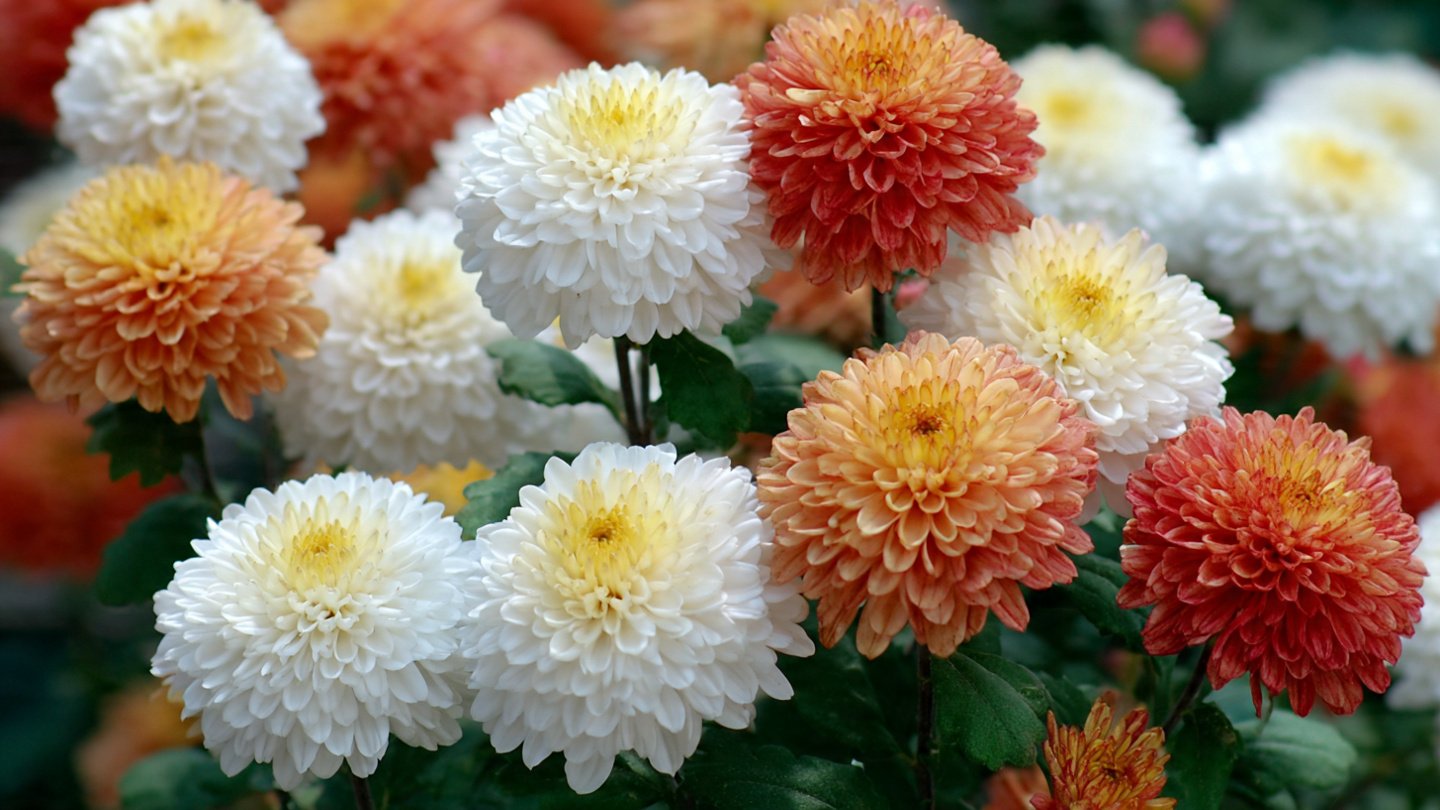
Chrysanthemums, often called mums, are among the most popular flowering plants for home gardens due to their vibrant colors, long-lasting blooms, and adaptability. For beginners, chrysanthemums are especially rewarding because with the right care, they can grow into lush, bushy plants covered in flowers. Achieving that full, compact look may seem challenging at first, but it becomes simple once you understand the plant’s basic needs and growth habits. This easy guide will walk you through everything you need to know to grow healthy, bushy chrysanthemum plants, even if you are just starting your gardening journey.
Understanding Chrysanthemum Growth
Chrysanthemums are perennial flowering plants that naturally grow upright, producing multiple stems from the base. Their bushy appearance is not accidental but the result of proper care, timely pinching, and balanced growing conditions. When left unattended, chrysanthemums may grow tall and leggy, producing fewer flowers. However, with a little guidance, you can encourage them to branch out, resulting in a compact plant with abundant blooms.
Mums thrive in mild climates and are especially valued for their fall flowers, which bring color to gardens when many other plants have finished blooming. Understanding their growth cycle is key to shaping them into bushy plants. They grow actively in spring and summer, set buds toward the end of summer, and bloom in late summer to autumn.
Choosing the Right Chrysanthemum Variety
For beginners, selecting the right variety makes a big difference. Garden mums are generally easier to grow than florist mums. Garden varieties are bred to be hardy, adaptable, and suitable for outdoor conditions. When choosing plants, look for healthy specimens with deep green leaves and no signs of pests or disease. Avoid plants that already have many buds if your goal is bushy growth, as early budding can limit branching.
Compact or cushion-type chrysanthemums are particularly good for beginners because they naturally grow into rounded shapes. These varieties respond well to pinching and require less maintenance to achieve a full appearance.
Selecting the Best Location
Chrysanthemums need plenty of sunlight to grow bushy and strong. Choose a location that receives at least six hours of direct sunlight each day. Morning sun is especially beneficial, as it helps dry the leaves and reduces the risk of disease. Too much shade can cause weak stems, sparse foliage, and fewer flowers.
Good air circulation is also important. Avoid planting chrysanthemums in crowded areas or near walls where air movement is restricted. Proper spacing allows each plant to develop fully and prevents fungal problems that can weaken growth.
Preparing the Soil
Healthy soil is the foundation of bushy chrysanthemum plants. These plants prefer well-draining, fertile soil that retains moisture without becoming waterlogged. Before planting, loosen the soil to a depth of at least twelve inches. This encourages strong root development, which supports dense top growth.
Adding organic matter such as compost or well-rotted manure improves soil structure and provides essential nutrients. Chrysanthemums prefer slightly acidic to neutral soil, and rich soil helps them produce vigorous stems and leaves. If planting in containers, use a high-quality potting mix designed for flowering plants, ensuring the pot has drainage holes.
Planting Chrysanthemums
The best time to plant chrysanthemums is in spring, after the risk of frost has passed. Spring planting gives the plants enough time to establish roots and develop multiple branches before flowering season. Dig a hole slightly larger than the root ball and plant at the same depth as the original container. Gently firm the soil around the roots and water thoroughly after planting.
When planting multiple chrysanthemums, space them about eighteen to twenty-four inches apart. This spacing allows each plant to spread and develop a bushy shape without competition for nutrients and sunlight.
Watering for Healthy, Bushy Growth
Consistent watering is essential for chrysanthemums. These plants like evenly moist soil, but they do not tolerate standing water. Water deeply to encourage roots to grow downward rather than staying near the surface. Shallow watering can lead to weak plants that struggle to support bushy growth.
During warm weather, chrysanthemums may need watering several times a week, especially if grown in containers. Always check the soil before watering and allow the top layer to dry slightly between watering sessions. Water at the base of the plant to keep the leaves dry and reduce the risk of disease.
The Importance of Pinching
Pinching is the most important technique for growing bushy chrysanthemum plants. This simple practice encourages the plant to produce side shoots, resulting in a fuller, more compact shape. Pinching involves removing the tips of new growth with your fingers or clean garden scissors.
Begin pinching when the plant is about six inches tall. Remove the top inch of each stem. This will cause the plant to branch out instead of growing straight upward. Continue pinching every two to three weeks throughout late spring and early summer. Stop pinching by mid to late summer, as this allows the plant to focus on forming flower buds.
Regular pinching not only creates a bushy plant but also leads to more flowers, as each branch can produce its own blooms. While it may feel counterintuitive to remove growth, this step is essential for shaping healthy chrysanthemums.
Feeding and Fertilization
Chrysanthemums are heavy feeders and benefit from regular fertilization. Use a balanced fertilizer during the growing season to support leafy growth and branching. Apply fertilizer every two to three weeks from spring through mid-summer.
Once buds begin to form, switch to a fertilizer slightly higher in phosphorus to support flower development. Avoid over-fertilizing, as excessive nitrogen can cause lush leaves at the expense of flowers. Always follow the recommended dosage to prevent root burn and stress.
Managing Temperature and Weather
Chrysanthemums grow best in moderate temperatures. Excessive heat can slow growth and cause stress, while extreme cold can damage young plants. During hot summer days, ensure the soil remains moist and consider providing light afternoon shade if temperatures are consistently high.
Wind protection is also important, especially for young plants. Strong winds can damage stems and disrupt branching. Placing plants near natural windbreaks or using garden supports can help protect them as they grow.
Pest and Disease Prevention
Healthy, bushy chrysanthemums are less likely to suffer from pests and diseases, but regular monitoring is still important. Common pests include aphids, spider mites, and leaf miners, which can weaken plants and distort growth. Inspect leaves regularly, especially the undersides, and address any issues promptly using gentle treatments such as insecticidal soap.
Fungal diseases often occur in humid or poorly ventilated conditions. To prevent these problems, avoid overhead watering, provide proper spacing, and remove any diseased leaves immediately. Clean garden tools also help prevent the spread of infections.
Supporting Flowering and Long-Term Care
As flowering season approaches, reduce pinching and focus on maintaining consistent care. Deadhead spent blooms to encourage continued flowering and keep the plant looking neat. Once flowering finishes, you can cut back the plant to a few inches above the ground if it is grown as a perennial.
In colder regions, applying mulch around the base of outdoor chrysanthemums helps protect the roots during winter. Container-grown plants can be moved to a sheltered area to prevent frost damage. With proper care, chrysanthemums will return year after year, growing stronger and bushier each season.
Conclusion
Growing bushy chrysanthemum plants does not require advanced gardening skills, making them an excellent choice for beginners. By choosing the right variety, providing ample sunlight, preparing nutrient-rich soil, and mastering simple techniques like pinching, you can transform young plants into full, vibrant displays of color. Consistent watering, balanced feeding, and regular observation further ensure healthy growth and abundant blooms.
Chrysanthemums reward patience and care with lush foliage and stunning flowers that brighten gardens and containers alike. With this easy guide, even novice gardeners can confidently grow chrysanthemums that are not only healthy but beautifully bushy, adding lasting charm and seasonal beauty to any outdoor or indoor space.