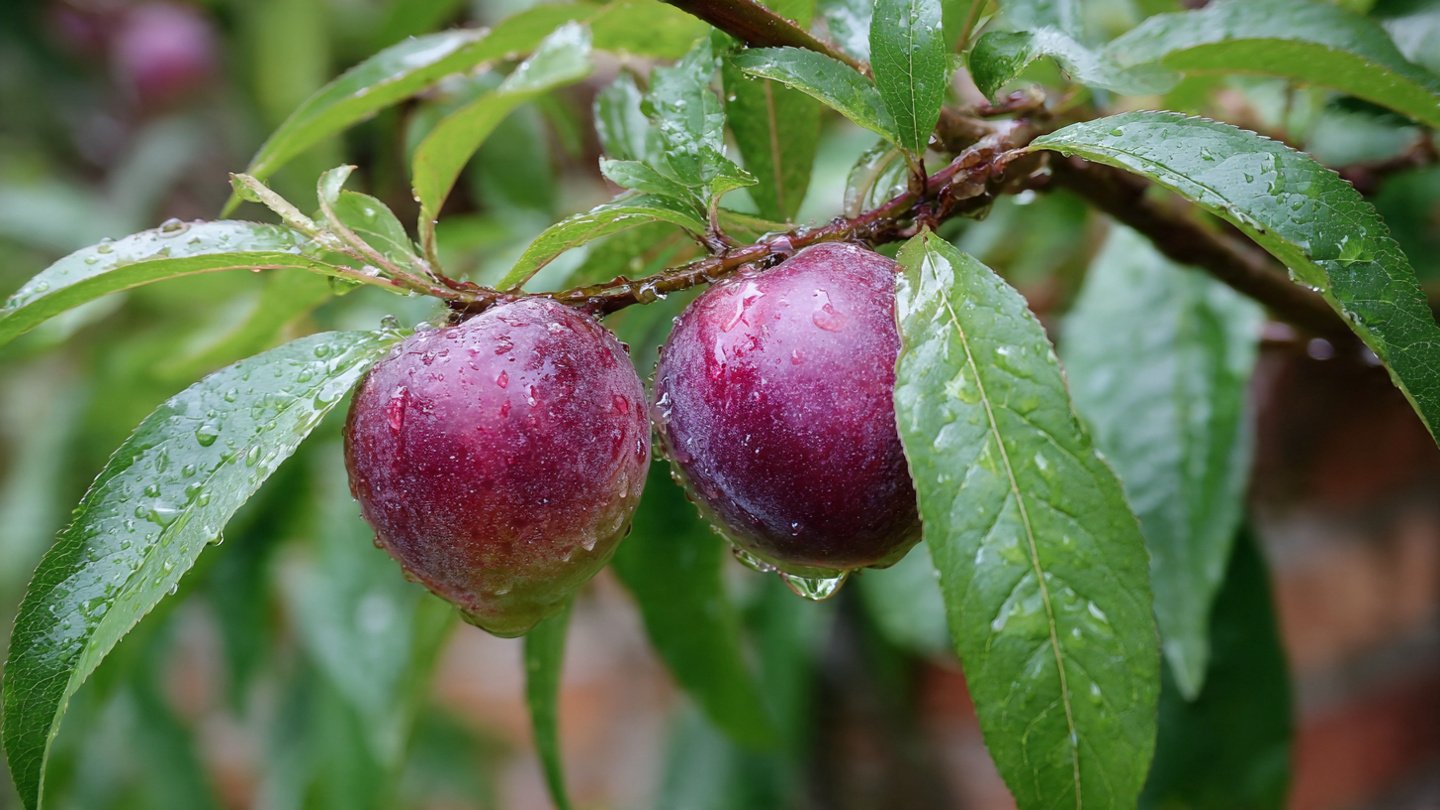
Growing fruit at home may seem intimidating to beginners, especially when it comes to trees that are traditionally associated with large orchards. Nectarine trees, however, can be surprisingly adaptable. With the right approach, they thrive in containers, making them ideal for patios, balconies, and small gardens. The key lies in understanding one simple hack: controlling growth through container size, pruning, and consistent care. When these elements work together, even beginners can enjoy healthy trees and delicious, homegrown nectarines.
Why Container Growing Works for Nectarine Trees
Nectarine trees naturally want to grow large, but their size can be effectively managed in containers. When roots are slightly restricted, the tree focuses less on rapid expansion and more on balanced growth and fruit production. This controlled environment makes container growing not only possible but highly practical for beginners.
Another advantage of container growing is flexibility. Containers allow you to move the tree to optimize sunlight, protect it from harsh weather, and manage pests more easily. For new gardeners, this level of control reduces many common mistakes associated with in-ground planting.
Choosing the Right Tree Is the First Success Step
The easiest way to succeed with container-grown nectarines is to start with the right tree. Dwarf or compact varieties are ideal because they are bred to stay smaller while still producing full-sized fruit. These varieties adapt well to pots and require less aggressive pruning than standard trees.
When purchasing a young tree, look for one with a healthy central stem, well-spaced branches, and no signs of disease or damage. A one- to two-year-old tree is ideal for beginners because it establishes quickly and adapts better to container life.
The Container Hack That Makes All the Difference
The single most effective hack for beginners is choosing a container that is large enough to support growth but small enough to control it. A container that is 18 to 24 inches wide and deep is perfect for starting out. This size gives the roots room to grow while preventing the tree from becoming too large too quickly.
The container must have excellent drainage. Multiple drainage holes are essential, as nectarines do not tolerate waterlogged roots. Elevating the pot slightly off the ground improves drainage and airflow, further reducing the risk of root rot.
As the tree matures, you can repot it into a slightly larger container every few years, refreshing the soil and trimming the roots if needed. This gradual increase in space keeps the tree productive without overwhelming beginners.
Soil Selection for Healthy Growth
Soil choice plays a major role in container success. Garden soil is too heavy for pots and can compact easily, suffocating roots. Instead, use a high-quality potting mix designed for fruit trees or containers. A good mix should retain moisture while still draining freely.
Adding compost improves nutrient availability, while a small amount of sand or perlite enhances drainage. This balance supports strong root development, which directly affects flowering and fruiting. Healthy roots are the foundation of a healthy tree.
Sunlight Is Non-Negotiable
Nectarine trees need plenty of sunlight to produce fruit. Place the container where it receives at least six to eight hours of direct sun each day. More sunlight leads to better flowering, stronger growth, and sweeter fruit.
If you are growing on a balcony or patio with limited exposure, move the container as the seasons change to capture maximum sunlight. One of the greatest advantages of container growing is this ability to reposition the tree easily.
Watering Without Overdoing It
Watering is often where beginners struggle, but container nectarines follow a simple rule. Water deeply, then allow the top inch of soil to dry before watering again. This encourages roots to grow deeper and prevents rot.
During hot weather, container trees may need watering every day, while cooler conditions require less frequent watering. Always check the soil rather than following a strict schedule. Consistent moisture is especially important during flowering and fruit development, as drought stress can cause flowers or young fruit to drop.
Feeding Your Tree the Easy Way
Container-grown nectarines rely entirely on you for nutrients, making feeding essential. The easiest method for beginners is using a slow-release, balanced fertilizer applied in early spring. This provides steady nutrition without the risk of overfeeding.
As the growing season progresses, a light supplemental feeding helps maintain vigor, especially once fruit begins to develop. Avoid excessive nitrogen, as it promotes leafy growth at the expense of fruit. A balanced approach keeps the tree productive and manageable.
Pruning: The Beginner-Friendly Growth Control Tool
Pruning may sound complicated, but it is the secret to long-term success. The goal is not perfection but balance. Pruning keeps the tree compact, improves airflow, and directs energy toward fruit production.
In late winter or early spring, remove any dead, damaged, or crossing branches. Shorten long shoots to maintain the desired height and shape. Throughout the growing season, light pruning can help manage rapid growth and prevent overcrowding.
For beginners, remember this simple rule: if a branch blocks sunlight or airflow, it should be trimmed. This alone prevents many common problems.
Flowering, Pollination, and Fruit Set
Nectarine trees produce beautiful blossoms in spring, and most container varieties are self-pollinating. This means a single tree can produce fruit without another tree nearby. However, pollination still benefits from insect activity.
If you grow your tree indoors or in an enclosed space, gently shaking the branches during flowering can help distribute pollen. Outdoor trees usually rely on bees and other pollinators, so avoiding pesticides during bloom is important.
Once fruit sets, thinning is crucial. Remove excess young nectarines so the remaining fruit has space to grow. This prevents branch breakage and results in larger, sweeter fruit.
Managing Pests and Diseases Simply
Container-grown trees are easier to monitor than those planted in the ground. Regularly inspect leaves and stems for signs of pests such as aphids or mites. Early detection allows for simple solutions like washing pests off with water or using mild organic sprays.
Good airflow, proper watering, and clean pruning practices greatly reduce disease risk. Removing fallen leaves and fruit keeps fungal problems at bay. Healthy trees are naturally more resistant, making prevention easier than treatment.
Winter Care Made Easy
One major advantage of container growing is winter protection. In colder climates, containers can be moved to sheltered locations such as garages, sheds, or against a protected wall. This prevents root damage during freezing temperatures.
Even in mild climates, reducing watering during winter helps the tree enter dormancy properly. Dormant trees are stronger and produce better growth and fruit in the following season.
Harvesting and Enjoying the Rewards
Nectarines ripen in mid to late summer, depending on the variety. Harvest fruit when it is fully colored, slightly soft, and fragrant. Gently twist the fruit from the branch to avoid damage.
Fresh nectarines are best enjoyed straight from the tree, but they can also be refrigerated for short-term storage. Harvesting regularly encourages the tree to focus energy on remaining fruit rather than overripe produce.
Why This Hack Works for Beginners
The combination of container control, proper pruning, and consistent care simplifies the growing process. Instead of managing a large, unpredictable tree, beginners work with a manageable system that responds quickly to attention and adjustments.
Mistakes are easier to correct in containers, and success comes faster. This builds confidence, encouraging new gardeners to expand their skills and try additional fruit trees over time.
Conclusion
Growing nectarine trees in containers does not require advanced gardening knowledge or years of experience. With one easy hack—using container size and pruning to control growth—beginners can enjoy healthy trees and abundant fruit. By selecting the right variety, providing sunlight, water, and nutrients, and maintaining a simple care routine, anyone can successfully grow nectarines at home.
Container-grown nectarines prove that limited space does not limit possibility. With patience and consistency, beginners can transform patios, balconies, and small gardens into productive fruit-growing spaces and enjoy the unmatched satisfaction of harvesting nectarines grown by their own hands.