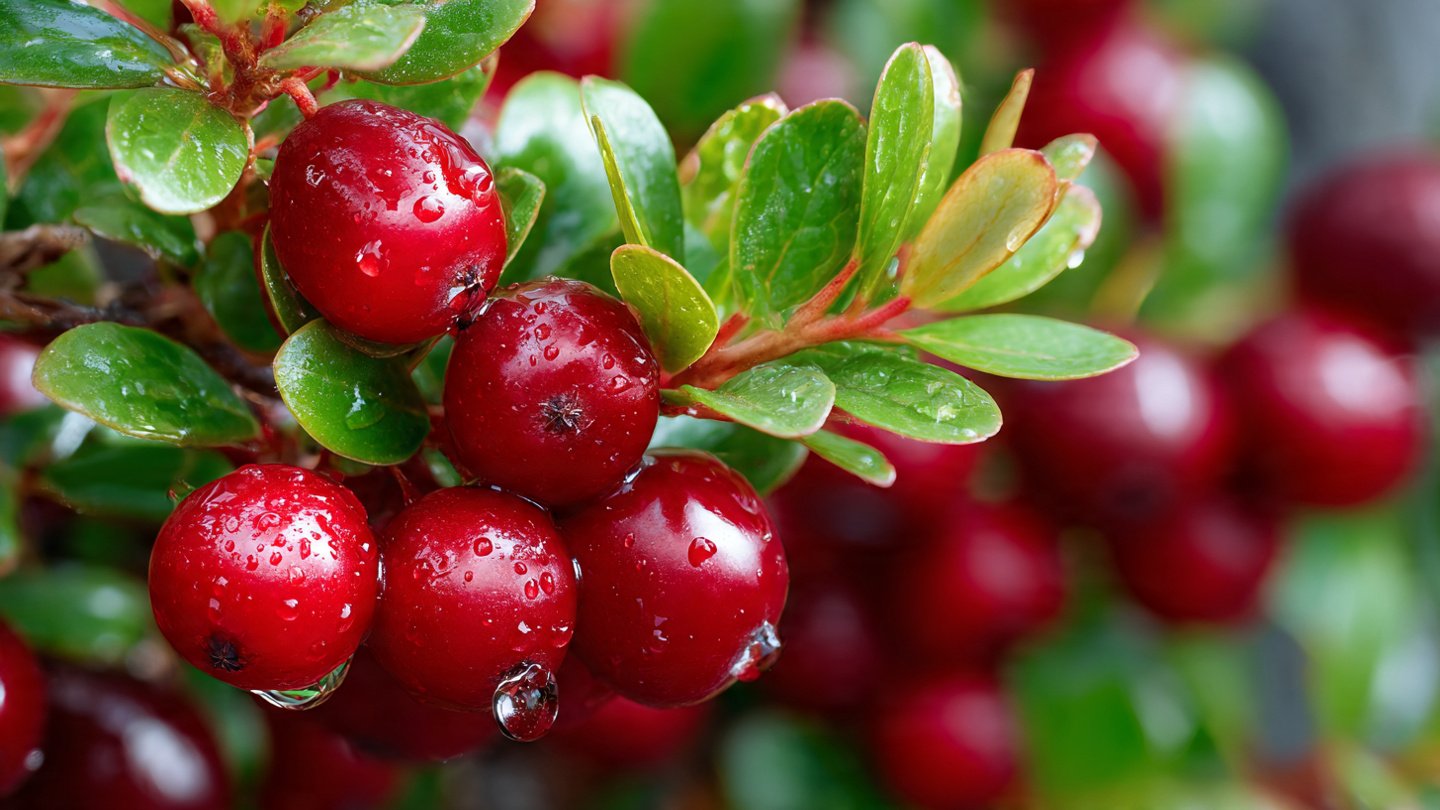
Lingonberries are small, ruby-red fruits known for their tart, vibrant flavor and impressive nutritional value. Popular in Scandinavian cuisine and increasingly appreciated by home gardeners, lingonberries are traditionally grown outdoors in cool climates. However, with the right techniques and care, it is entirely possible to grow lingonberry plants indoors and enjoy fresh, flavorful berries year-round. This comprehensive guide explains everything you need to know to successfully cultivate lingonberries indoors, from choosing the right container to harvesting your first crop.
Lingonberry plants are evergreen shrubs that naturally grow in acidic, nutrient-poor soils and cool environments. They are closely related to cranberries and blueberries and share similar growing requirements. Understanding their natural habitat is key to replicating the right conditions indoors. Lingonberries grow slowly, but once established, they are long-lived plants that can produce berries for many years.
The first step to indoor success is selecting the right lingonberry variety. Some cultivars are more compact and better suited to container growing than others. When choosing plants, look for varieties known for reliable fruiting and manageable size. Starting with healthy nursery-grown plants is recommended, as growing lingonberries from seed can take several years before fruiting begins.
Container selection is especially important for indoor lingonberries. Choose a pot that is wide rather than deep, as lingonberry roots are shallow and spread horizontally. A container with good drainage holes is essential to prevent waterlogging, which can quickly damage roots. A pot that is at least twelve inches wide provides enough space for root development while allowing room for multiple stems to grow.
Soil composition plays a critical role in lingonberry health. These plants require acidic soil with a pH between four point five and five point five. Standard potting soil is usually too neutral or alkaline, so it should be amended or replaced with a mix designed for acid-loving plants. A blend of peat moss, pine bark, and coarse sand works well, providing acidity, moisture retention, and proper drainage. Avoid garden soil, as it tends to compact in containers and may contain pathogens.
Light is one of the most important factors when growing lingonberries indoors. These plants require bright light to flower and produce fruit. Place containers near a south-facing or west-facing window where they can receive at least six to eight hours of light daily. If natural light is insufficient, especially during winter months, supplemental grow lights are strongly recommended. Consistent light exposure helps promote flowering and prevents weak, leggy growth.
Temperature management is another key consideration. Lingonberries prefer cool conditions compared to many indoor plants. Ideal daytime temperatures range between sixty and seventy degrees Fahrenheit, while slightly cooler nighttime temperatures are beneficial. Avoid placing plants near heating vents, radiators, or appliances that produce excessive warmth. Proper temperature control encourages healthy foliage and supports flower and berry development.
Watering lingonberries indoors requires careful balance. The soil should remain consistently moist but never soggy. Overwatering is one of the most common mistakes and can lead to root rot. Water thoroughly when the top layer of soil feels slightly dry, allowing excess water to drain freely. Using room-temperature water helps avoid shocking the roots. Since lingonberries are sensitive to minerals, using rainwater or distilled water is ideal, especially in areas with hard tap water.
Humidity also affects indoor lingonberry growth. While they do not require extremely high humidity, moderate levels help maintain healthy leaves and prevent stress. Dry indoor air, particularly during winter, can be challenging. Using a humidity tray or placing plants near other moisture-loving plants can help maintain a more favorable environment.
Fertilization should be done sparingly, as lingonberries are adapted to low-nutrient soils. Excess fertilizer can harm the plants and reduce fruiting. Use a fertilizer formulated for acid-loving plants, applied at half strength. Fertilize lightly during the growing season, usually from spring through early summer. Avoid fertilizing during winter when growth naturally slows.
Pruning plays a supportive role in indoor lingonberry care. While these plants do not require heavy pruning, removing dead, weak, or overcrowded stems improves air circulation and encourages healthier growth. Light pruning after fruiting helps maintain plant shape and directs energy toward productive stems. Always use clean, sharp tools to prevent disease transmission.
Pollination is an important aspect of indoor lingonberry production. Outdoors, bees and other insects handle pollination naturally. Indoors, you may need to assist. Lingonberries are self-fertile, meaning they do not require another plant to produce fruit, but pollination still improves yields. Gently brushing flowers with a soft paintbrush or lightly shaking the plant helps transfer pollen and encourages fruit set.
Flowering usually occurs in late spring or early summer, depending on growing conditions. Small, bell-shaped flowers appear before berries develop. Once pollinated, berries gradually form and ripen over several weeks. Lingonberries are typically harvested when they turn deep red and feel firm to the touch. Fully ripe berries offer the best balance of flavor and nutrition.
Indoor lingonberry plants may take a year or two to begin producing berries, especially if grown from young plants. Patience is essential, as these slow-growing shrubs invest energy in root and foliage development before heavy fruiting begins. Consistent care and stable conditions significantly improve long-term productivity.
Pests and diseases are less common indoors but can still occur. Spider mites and aphids may appear, especially in dry conditions. Regularly inspecting leaves and stems helps catch problems early. Washing foliage with water or using mild insecticidal soap can control most pests. Good airflow and proper watering practices reduce the risk of fungal diseases.
Seasonal adjustments are necessary for indoor lingonberries. During winter, growth naturally slows, and plants benefit from cooler temperatures and reduced watering. Some growers simulate winter dormancy by placing plants in a cool, bright location for several weeks. This rest period supports stronger flowering and fruiting in the following season.
Repotting is only needed occasionally, as lingonberries prefer slightly root-bound conditions. Repot every two to three years or when roots begin to circle the container excessively. Refreshing the soil during repotting helps maintain acidity and provides fresh organic matter.
Growing lingonberries indoors offers several advantages beyond convenience. Indoor plants are protected from harsh weather, pests, and soil fluctuations. They also provide ornamental value with their glossy evergreen leaves and attractive berries. Additionally, homegrown lingonberries allow complete control over growing practices, ensuring chemical-free fruit.
In conclusion, successfully growing lingonberry plants indoors is entirely achievable with proper planning and attentive care. By providing acidic soil, bright light, consistent moisture, and cool temperatures, gardeners can replicate the plant’s natural environment and encourage healthy growth. Although lingonberries require patience and precision, the reward of harvesting bright, flavorful berries from your own indoor garden is well worth the effort. With this comprehensive approach, even gardeners with limited outdoor space can enjoy the unique taste and beauty of homegrown lingonberries year-round.