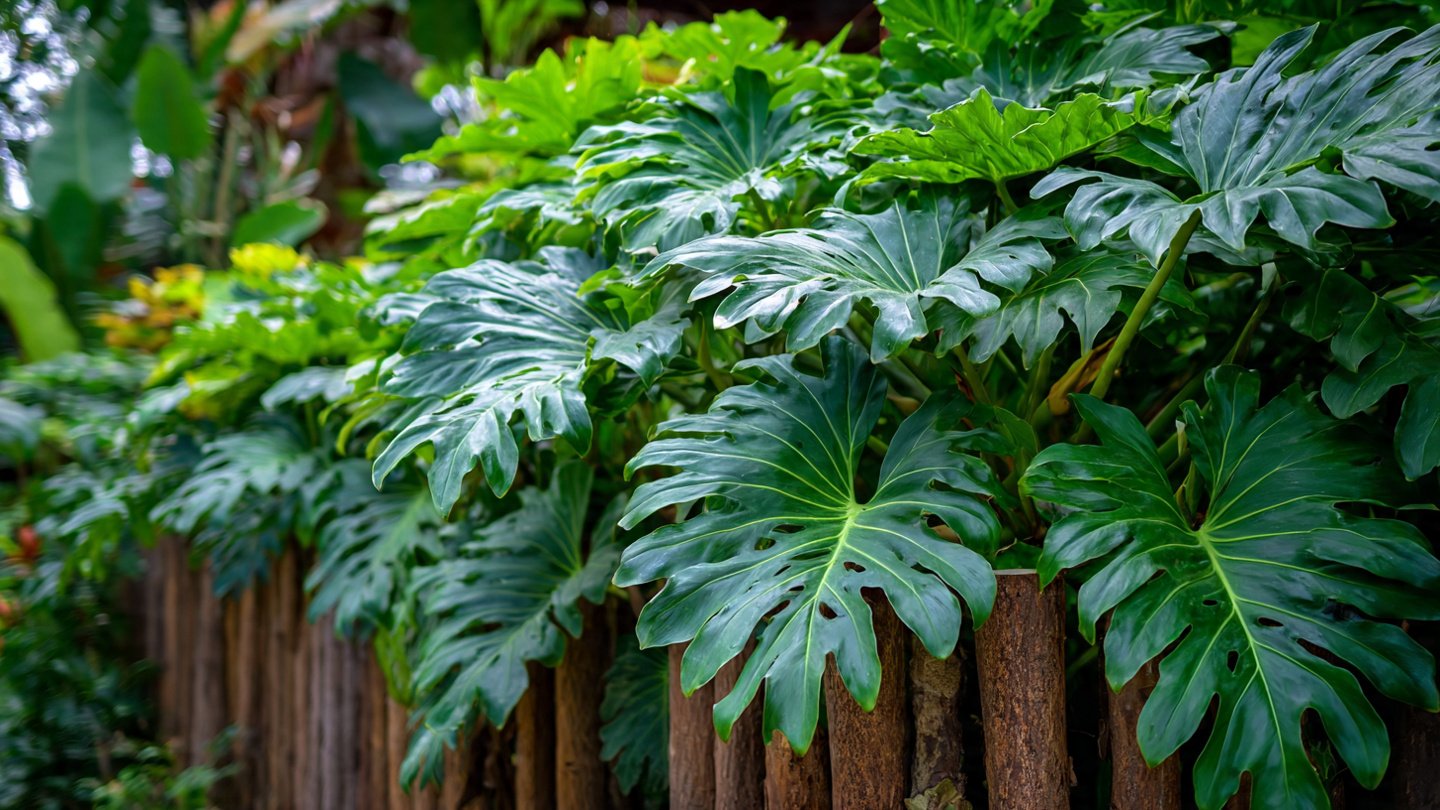
The split leaf philodendron is a bold, dramatic plant admired for its large, deeply lobed leaves and lush tropical appearance. Often associated with indoor décor, this striking plant can also thrive outdoors when given the right environment and care. Growing split leaf philodendron outdoors allows it to reach its full potential, producing larger foliage, stronger stems, and a more natural growth habit. This ultimate guide explains everything you need to know to grow split leaf philodendron outdoors successfully and enjoy healthy plants with stunning foliage.
Understanding Split Leaf Philodendron Growth Habits
Split leaf philodendron is a tropical plant that naturally grows in warm, humid environments. Outdoors, it behaves as a vigorous grower, developing thick stems and expansive leaves that can become a focal point in any landscape. Unlike climbing philodendrons, split leaf types grow in a more upright, spreading form, eventually resembling a small tree or large shrub.
In outdoor settings, the plant benefits from natural airflow, rainfall, and filtered sunlight, which promote stronger growth and richer leaf color. However, understanding its natural preferences is essential to avoid stress and damage.
Choosing the Right Outdoor Location
Selecting the correct location is the foundation of successful outdoor growth. Split leaf philodendron prefers bright, indirect light rather than full, direct sun. Too much sun can scorch the leaves, while too little light can result in smaller, less defined foliage.
An ideal spot is one that receives morning sun and afternoon shade, such as beneath taller trees, near a fence, or along the side of a building. Dappled sunlight that mimics a tropical forest canopy is perfect. Protection from strong winds is also important, as large leaves can tear easily.
Climate and Temperature Requirements
Split leaf philodendron thrives in warm climates with consistent temperatures. It grows best in areas where temperatures remain above 60 degrees Fahrenheit throughout the year. Prolonged exposure to cold can stunt growth or cause leaf damage.
In regions with mild winters, the plant can remain outdoors year-round. In cooler climates, it is best grown outdoors only during warm months and moved indoors or protected when temperatures drop. Frost is particularly harmful and should be avoided at all costs.
Soil Preparation for Optimal Growth
Healthy soil is crucial for producing large, vibrant foliage. Split leaf philodendron prefers rich, well-draining soil that retains moisture without becoming waterlogged. Heavy clay soils should be amended to improve drainage, while sandy soils benefit from added organic matter.
A good outdoor soil mix includes garden soil blended with compost, aged manure, or leaf mold. These organic materials improve soil structure, increase nutrient availability, and support beneficial microorganisms. Slightly acidic to neutral soil promotes the best growth and leaf coloration.
Planting Split Leaf Philodendron Outdoors
When planting outdoors, timing matters. Plant during spring or early summer when temperatures are warm and the plant has a full growing season to establish itself. Dig a hole that is twice as wide as the root ball and slightly deeper than its height.
Place the plant in the hole at the same depth it was growing previously. Backfill with prepared soil, gently firming it around the roots to eliminate air pockets. Water thoroughly after planting to help settle the soil and reduce transplant shock.
Applying a layer of mulch around the base helps conserve moisture, regulate soil temperature, and suppress weeds. Keep mulch a few inches away from the stem to prevent rot.
Watering for Strong and Healthy Plants
Consistent watering is essential for optimal growth. Split leaf philodendron prefers evenly moist soil, especially during the growing season. Outdoor plants typically require deep watering once or twice a week, depending on weather conditions and soil type.
During hot or dry periods, increase watering frequency to prevent stress. However, avoid soggy soil, as overwatering can lead to root rot and fungal issues. Well-draining soil and proper spacing reduce the risk of water-related problems.
Feeding for Lush Foliage
Outdoor split leaf philodendrons benefit from regular feeding to support their rapid growth and large leaves. Apply a balanced, slow-release fertilizer in spring to provide a steady supply of nutrients throughout the growing season.
Supplement with organic fertilizers such as compost or liquid feeds every four to six weeks during active growth. Nitrogen supports leaf development, while potassium strengthens stems and improves overall plant health. Avoid excessive fertilization, which can cause weak growth and leaf burn.
Managing Sun Exposure and Leaf Health
Leaf size and appearance are directly influenced by light levels. Outdoors, split leaf philodendron develops larger and more deeply split leaves when grown in bright, filtered light. Monitor leaf color and texture to assess light conditions.
Yellowing leaves may indicate excessive sun exposure or nutrient imbalance, while pale or small leaves can signal insufficient light. Adjust the plant’s location or provide shade cloth if necessary to maintain optimal conditions.
Pruning and Maintenance
Pruning helps maintain shape, remove damaged foliage, and encourage healthy growth. Remove yellow, torn, or diseased leaves at the base using clean, sharp tools. Regular pruning improves airflow and reduces the risk of pests and disease.
As the plant matures, it may develop aerial roots. These can be left intact, as they help stabilize the plant and absorb moisture from the air. Avoid excessive pruning, as large leaves are essential for photosynthesis and overall vigor.
Supporting Large Plants Outdoors
Mature split leaf philodendrons can become heavy and wide-spreading. Providing support helps prevent leaning or toppling, especially in windy areas. Stakes or discreet supports placed near the main stem can offer stability without detracting from the plant’s natural appearance.
Position supports early in the plant’s growth to avoid damaging established roots later. Proper spacing from other plants also allows for unrestricted growth and showcases the dramatic foliage.
Pest and Disease Prevention
Outdoor environments expose plants to a variety of pests, including aphids, spider mites, and scale insects. Regular inspection of leaves and stems helps catch problems early. Healthy plants are naturally more resistant to pests, so proper watering and nutrition play a key role in prevention.
If pests appear, use natural solutions such as neem oil or insecticidal soap. Avoid harsh chemicals that can harm beneficial insects and disrupt the garden ecosystem. Good airflow and proper spacing reduce the likelihood of fungal diseases.
Seasonal Care and Protection
Seasonal changes affect growth patterns. During warm months, split leaf philodendron grows actively and benefits from regular feeding and watering. In cooler seasons, growth slows, and watering should be reduced accordingly.
In regions where temperatures approach the plant’s tolerance limit, provide protection during cold spells. Covering the plant with frost cloth or moving container-grown specimens to sheltered locations helps prevent damage. Mulching around the base adds insulation for roots.
Encouraging Stunning Foliage
The iconic split leaves develop as the plant matures and receives optimal care. Young plants may produce solid or lightly lobed leaves, while older plants develop the dramatic splits that make them so desirable. Patience is essential, as leaf development improves with time, light, and nutrition.
Consistent care, minimal stress, and a stable environment encourage larger leaves with deeper splits and richer color. Avoid frequent relocation or drastic changes in conditions, as stability supports optimal growth.
Landscaping with Split Leaf Philodendron
Outdoors, split leaf philodendron works beautifully as a specimen plant, focal point, or backdrop in tropical-style gardens. It pairs well with ferns, palms, and shade-loving flowering plants. Its bold texture contrasts nicely with finer foliage, adding depth and visual interest to landscape designs.
Spacing is important, as mature plants can spread significantly. Allow enough room for growth to avoid overcrowding and competition for resources.
Final Thoughts
Growing split leaf philodendron outdoors is a rewarding experience that allows this striking plant to reach its full potential. With the right location, soil preparation, watering routine, and seasonal care, it can produce breathtaking foliage that transforms any outdoor space.
Understanding its tropical nature and respecting its needs are the keys to success. By providing filtered light, rich soil, consistent moisture, and protection from extreme conditions, gardeners can enjoy a thriving split leaf philodendron with dramatic leaves and strong, healthy growth.
Whether used as a statement plant or integrated into a lush garden design, split leaf philodendron rewards attentive care with unmatched beauty and presence. With patience and proper maintenance, it can become a long-lasting and stunning feature in any outdoor garden.