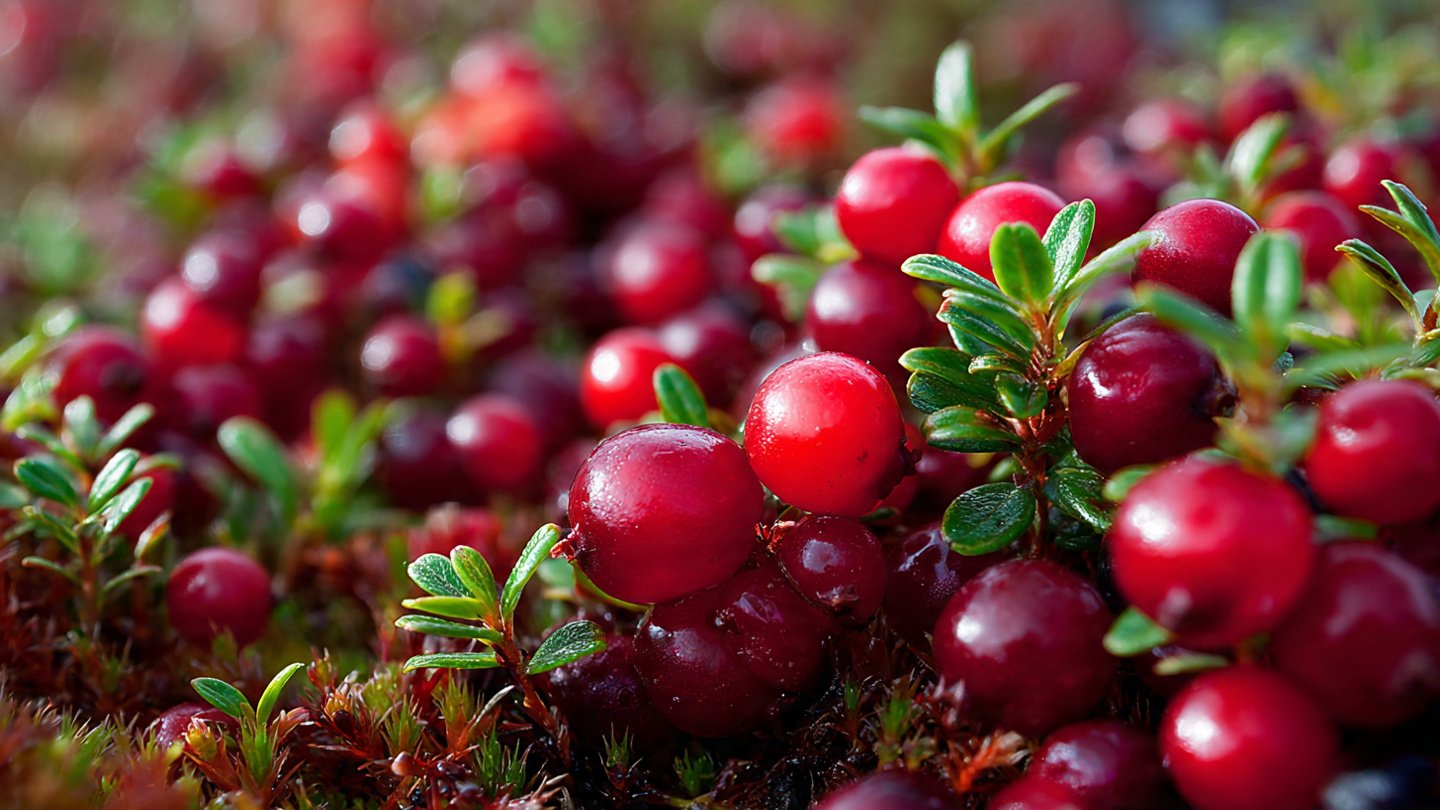
Lingonberries are hardy, low-growing plants prized for their tart, flavorful berries and ornamental evergreen foliage. Native to cool climates, these plants thrive when their soil conditions closely mimic their natural forest-floor environment. Creating the perfect soil mix is the most critical factor in successfully growing lingonberries, whether in garden beds, raised beds, or containers. With the right balance of acidity, drainage, organic matter, and nutrients, lingonberries can grow vigorously and produce reliable harvests year after year.
Understanding Lingonberry Soil Needs
Lingonberries are members of the heath family and share similar soil requirements with plants such as blueberries and cranberries. They naturally grow in acidic, sandy, organic-rich soils that are low in nutrients but high in organic matter. Unlike many garden plants, lingonberries do not tolerate heavy, compacted, or alkaline soils.
Their shallow root systems make them especially sensitive to poor drainage and soil imbalance. For optimal growth and fruiting, the soil must remain consistently moist without becoming waterlogged, while maintaining a low pH level. Understanding these needs is the foundation for creating a soil mix that supports healthy plants and abundant berries.
Importance of Soil Acidity
Soil pH is the single most important factor when growing lingonberries. These plants require acidic soil, ideally with a pH range between four point zero and five point five. When soil is too alkaline, lingonberries struggle to absorb essential nutrients such as iron and manganese, leading to poor growth and yellowing leaves.
Before creating your soil mix, it is strongly recommended to test your soil pH. If you are planting in the ground, this test will determine how much amendment is needed. For container growing, you have greater control, making it easier to maintain the correct acidity from the start.
Acidic conditions not only improve nutrient uptake but also support beneficial soil microorganisms that lingonberries rely on for long-term health.
Key Components of an Ideal Lingonberry Soil Mix
The perfect soil mix for lingonberries combines excellent drainage, high organic content, and stable acidity. Each component plays a specific role in supporting plant health and productivity.
Peat moss is the primary ingredient in most lingonberry soil mixes. It provides acidity, moisture retention, and a loose structure that allows roots to spread easily. Peat moss closely resembles the natural growing environment of lingonberries and forms the backbone of a suitable mix.
Pine bark fines or pine needle compost are excellent additions. They improve drainage, maintain acidity, and break down slowly, contributing long-term organic matter. These materials also help prevent soil compaction, which is essential for shallow-rooted plants.
Sand or perlite is used to enhance drainage. Lingonberries require moist but well-aerated soil, and adding coarse sand or perlite ensures excess water drains away quickly. This reduces the risk of root rot and fungal diseases.
Compost should be used sparingly. While organic matter is important, lingonberries prefer low-nutrient soils. A small amount of well-aged, acidic compost can improve microbial activity without overwhelming the plants with nutrients.
Recommended Soil Mix Ratios
For container or raised bed growing, a reliable lingonberry soil mix can be created using the following ratio. Use two parts peat moss, one part pine bark fines or pine needle compost, and one part coarse sand or perlite. This blend provides acidity, structure, moisture retention, and drainage in proper balance.
If peat moss is not available, coco coir can be used as a partial substitute, but it is naturally less acidic. In this case, additional acidifying amendments may be required to maintain the correct pH level.
Mix all components thoroughly before planting to ensure even distribution and consistent conditions throughout the root zone.
Amending Native Garden Soil
If you plan to grow lingonberries directly in the ground, amending native soil is essential unless you already have naturally acidic, sandy soil. Heavy clay or alkaline soils must be significantly modified to prevent plant stress and failure.
Start by removing existing soil to a depth of twelve to sixteen inches. Replace it with your prepared acidic soil mix or heavily amend the native soil with peat moss, pine bark, and sand. This creates a localized growing zone that meets lingonberry requirements.
Avoid mixing lingonberry soil with surrounding alkaline soil, as this can gradually raise pH levels. Installing root barriers or using raised beds helps maintain soil integrity over time.
Maintaining Proper Drainage
Good drainage is critical for lingonberries. Even brief periods of standing water can damage roots and reduce plant vigor. When creating your soil mix, ensure that water flows freely through the medium without pooling.
In containers, always use pots with drainage holes. Elevating containers slightly improves airflow and prevents water accumulation at the base. For in-ground planting, avoid low-lying areas where water collects after rain.
Adding pine bark and sand to the soil mix improves drainage while still allowing the soil to retain enough moisture for consistent growth.
Managing Soil Moisture
Lingonberries prefer consistently moist soil but do not tolerate soggy conditions. The soil mix should hold moisture evenly while allowing excess water to drain away. Peat moss plays a key role in moisture retention, while sand or perlite prevents compaction.
Mulching the soil surface with pine needles, bark chips, or sawdust helps retain moisture, regulate soil temperature, and maintain acidity. Mulch also protects shallow roots from drying out and reduces weed competition.
Regular monitoring of soil moisture is especially important during hot or dry periods, as lingonberries have limited drought tolerance.
Fertility and Nutrient Considerations
Lingonberries are adapted to nutrient-poor soils and do not require heavy fertilization. Excess nutrients, particularly nitrogen, can lead to excessive leaf growth and reduced fruiting.
The soil mix itself should provide most of the organic matter needed. If fertilization is necessary, use fertilizers specifically formulated for acid-loving plants and apply them sparingly.
Slow-release, low-nitrogen fertilizers are ideal. Applying fertilizer once in early spring and again after flowering is usually sufficient. Overfeeding can disrupt soil balance and negatively affect berry production.
Maintaining Soil Acidity Over Time
Soil pH naturally increases over time, especially when watered with alkaline tap water or exposed to surrounding soil. Maintaining acidity is an ongoing process when growing lingonberries.
Regularly test soil pH to ensure it remains within the optimal range. If pH begins to rise, amend the soil with elemental sulfur, peat moss, or acidic organic matter such as pine needle mulch.
Avoid using lime, wood ash, or composts that raise soil pH. Even small amounts of alkaline materials can interfere with nutrient uptake and plant health.
Container Versus Ground Soil Management
Container-grown lingonberries offer greater control over soil conditions, making it easier to maintain the ideal mix. However, containers dry out faster and may require more frequent watering and monitoring.
In-ground plants benefit from more stable moisture levels but are more susceptible to pH changes from surrounding soil. Raised beds provide a balance between control and stability, making them an excellent option for lingonberries.
Regardless of planting method, maintaining the integrity of the soil mix is essential for long-term success.
Common Soil Mistakes to Avoid
Using regular garden soil without amendment is one of the most common mistakes when growing lingonberries. Standard soil is often too alkaline, dense, and nutrient-rich for these plants.
Overwatering or poor drainage leads to root problems and reduced growth. Always ensure the soil mix drains well and adjust watering based on weather conditions.
Ignoring soil pH maintenance can result in gradual plant decline. Regular testing and proactive amendments prevent long-term issues and support consistent fruiting.
Conclusion
Creating the perfect soil mix for growing lingonberries is the foundation of healthy plants and successful harvests. By focusing on acidity, drainage, organic matter, and moisture balance, gardeners can replicate the natural conditions that lingonberries need to thrive.
A well-prepared soil mix supports strong root development, efficient nutrient uptake, and reliable berry production. Whether growing in containers, raised beds, or amended garden soil, attention to soil composition ensures long-term success.
With careful preparation and ongoing maintenance, the right soil mix transforms lingonberries from a challenging crop into a rewarding addition to the home garden. By understanding and meeting their unique soil needs, you can enjoy healthy plants, vibrant foliage, and flavorful berries season after season.