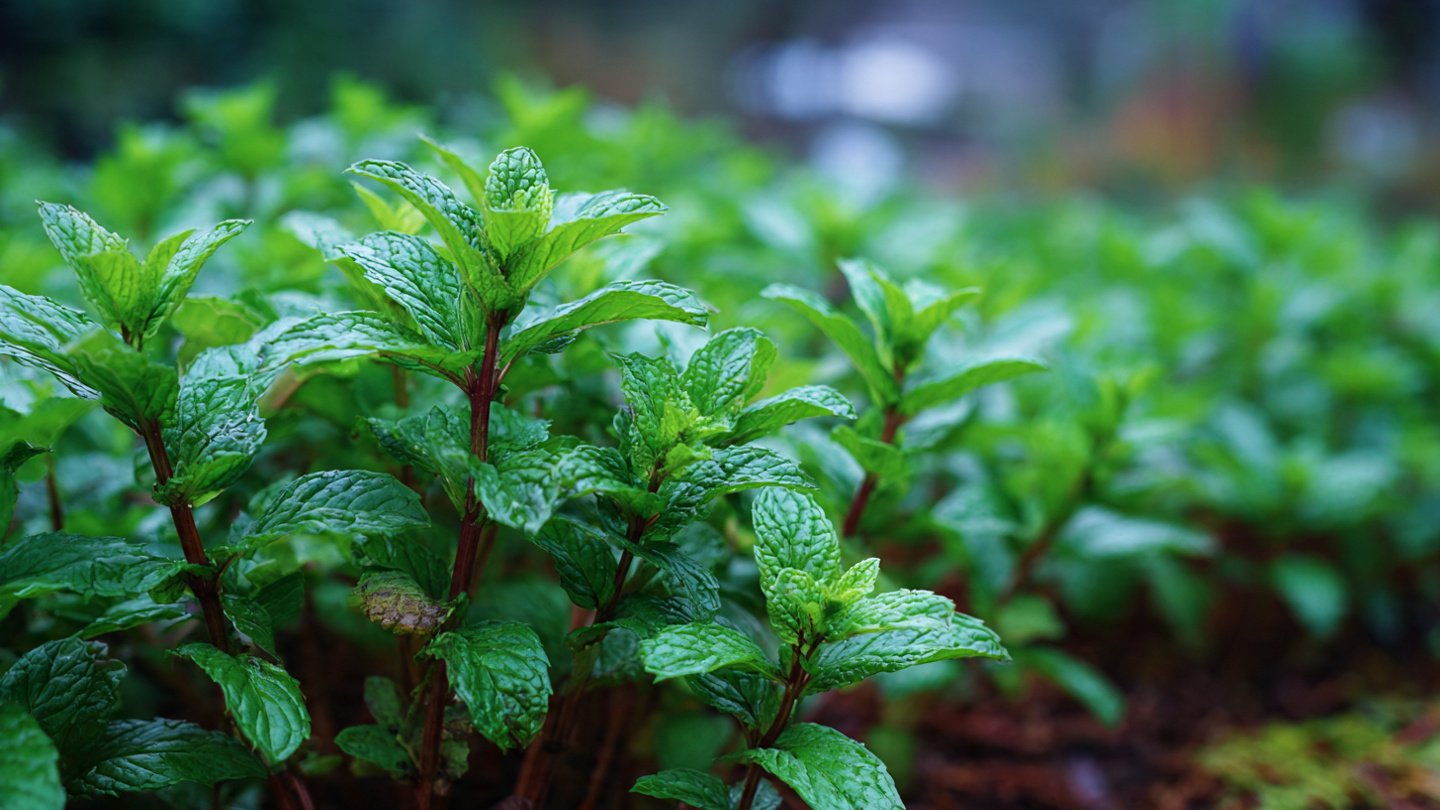
Mint is one of the most rewarding herbs to grow at home, prized for its refreshing aroma, fast growth, and wide range of culinary and medicinal uses. From soothing teas and flavorful chutneys to refreshing beverages and natural remedies, mint is a daily-use herb in many households. Cultivating a thriving mint garden ensures a constant supply of fresh leaves while adding vibrant greenery to your space. With proper planning and care, mint can be grown successfully in gardens, containers, balconies, and even small indoor setups. This guide provides a complete approach to growing and maintaining a healthy mint garden for consistent daily harvests.
Mint is a hardy perennial herb known for its vigorous growth. While this makes it easy to grow, it also means that mint can spread aggressively if not managed properly. Understanding its growth habits is the key to maintaining a productive yet controlled mint garden. With the right balance of sunlight, water, soil, and pruning, mint can remain lush, flavorful, and easy to harvest throughout the year.
The first step in cultivating a thriving mint garden is choosing the right variety. There are many types of mint, each with its own flavor and aroma, such as spearmint, peppermint, apple mint, chocolate mint, and lemon mint. Selecting one or two varieties based on your daily needs helps prevent overcrowding and makes maintenance easier. For beginners, spearmint and peppermint are reliable choices due to their adaptability and strong growth.
Mint can be grown from seeds, cuttings, or root divisions, but starting from cuttings or divisions is the fastest and most reliable method. Seeds may take longer to establish and can produce variable results. Using healthy cuttings from an existing plant ensures quick rooting and uniform growth. Place cuttings in water or moist soil until roots develop, then transplant them into their final growing location.
Choosing the right location is essential for long-term success. Mint prefers bright light but does not thrive in extreme heat. A location that receives four to six hours of sunlight daily is ideal. Morning sunlight with partial afternoon shade helps maintain leaf tenderness and prevents wilting. In very hot climates, too much direct sun can stress the plant, while too little light can result in weak growth and reduced flavor.
Soil quality plays a major role in the health and productivity of mint plants. Mint thrives in loose, fertile, and well-draining soil rich in organic matter. A soil mix that includes garden soil, compost, and a small amount of sand or coco peat provides the right balance of nutrients and drainage. The soil should remain consistently moist but never waterlogged. Healthy soil supports continuous leaf production and strong root systems.
Growing mint in containers is highly recommended, especially for home gardens and small spaces. Containers prevent mint from spreading uncontrollably and allow better control over soil and moisture. Pots should be at least eight to twelve inches deep with proper drainage holes. Containers can be placed on balconies, windowsills, terraces, or patios, making mint accessible for daily harvesting.
Watering is one of the most important aspects of mint care. Mint prefers consistently moist soil, as dry conditions can cause leaves to become bitter and stunted. Water the plant whenever the top layer of soil feels slightly dry. In warm weather, watering may be required daily, especially for container-grown plants. However, overwatering should be avoided, as constantly wet soil can lead to root rot and fungal issues.
Mulching around the base of mint plants helps retain moisture, regulate soil temperature, and reduce weed growth. Organic mulch such as dried leaves or straw is effective and improves soil health over time. Mulching is particularly beneficial in outdoor gardens and during hot seasons when moisture loss is higher.
Regular feeding supports continuous growth and flavorful leaves. Mint is not a heavy feeder, but periodic nutrition helps maintain vigor. Applying compost or vermicompost every three to four weeks provides steady nutrients. Liquid organic fertilizers, such as compost tea, can be used occasionally to boost growth. Avoid excessive chemical fertilizers, as they may reduce the natural aroma and taste of the leaves.
Pruning and harvesting are essential for maintaining a thriving mint garden. Frequent harvesting encourages bushier growth and prevents the plant from becoming leggy. Begin harvesting once the plant is well established and has several sets of leaves. Always cut stems above a leaf node to promote branching. Avoid removing more than one-third of the plant at a time, as this can stress the plant and slow regrowth.
For daily fresh harvests, it is best to harvest mint regularly in small amounts. Morning is the ideal time to harvest, as the leaves contain the highest concentration of essential oils. Freshly harvested mint has the strongest flavor and aroma, making it perfect for immediate use in cooking or beverages.
Flowering can affect leaf quality, as mint plants divert energy toward producing flowers. While mint flowers are attractive and beneficial to pollinators, allowing the plant to flower may reduce leaf production and flavor. Pinching off flower buds as they appear helps maintain leaf quality and prolongs the harvesting period.
Managing pests and diseases ensures healthy plants and clean harvests. Mint is relatively resistant to pests, but aphids, spider mites, and whiteflies may occasionally appear. Regular inspection helps catch problems early. Washing leaves with water or using natural remedies like neem oil keeps pests under control. Ensuring good airflow and avoiding overcrowding reduces the risk of fungal diseases such as powdery mildew.
Seasonal care helps maintain year-round productivity. In warm climates, mint grows continuously with regular watering and harvesting. In cooler regions, growth slows during colder months. Outdoor mint plants may die back in winter but regrow in spring. Container-grown mint can be moved indoors near a bright window during winter to continue producing leaves. Reduce watering during colder periods, as the plant requires less moisture when growth slows.
Propagation allows you to expand your mint garden easily. Mint propagates readily through cuttings and root divisions. Taking cuttings from healthy plants and replanting them ensures a continuous supply of young, productive plants. Propagation is especially useful for replacing older plants that may lose vigor over time.
A well-maintained mint garden offers more than just culinary benefits. The aroma of mint is refreshing and calming, making it a pleasant addition to living spaces. Mint plants also attract beneficial insects when grown outdoors and contribute to a healthy garden ecosystem.
Growing mint at home supports a sustainable lifestyle by reducing reliance on store-bought herbs, which are often packaged and treated with preservatives. Freshly harvested mint is more flavorful, nutritious, and free from chemicals. Having mint readily available encourages healthier eating habits and creative cooking.
In conclusion, cultivating a thriving mint garden for daily fresh harvests is simple and highly rewarding. By selecting the right variety, providing suitable light and soil, maintaining consistent watering and nutrition, and practicing regular harvesting and pruning, anyone can enjoy an abundant supply of fresh mint. Whether grown in containers or garden beds, mint responds generously to care and attention. With minimal effort and thoughtful management, a mint garden can remain productive, aromatic, and vibrant throughout the year, offering fresh leaves whenever they are needed.