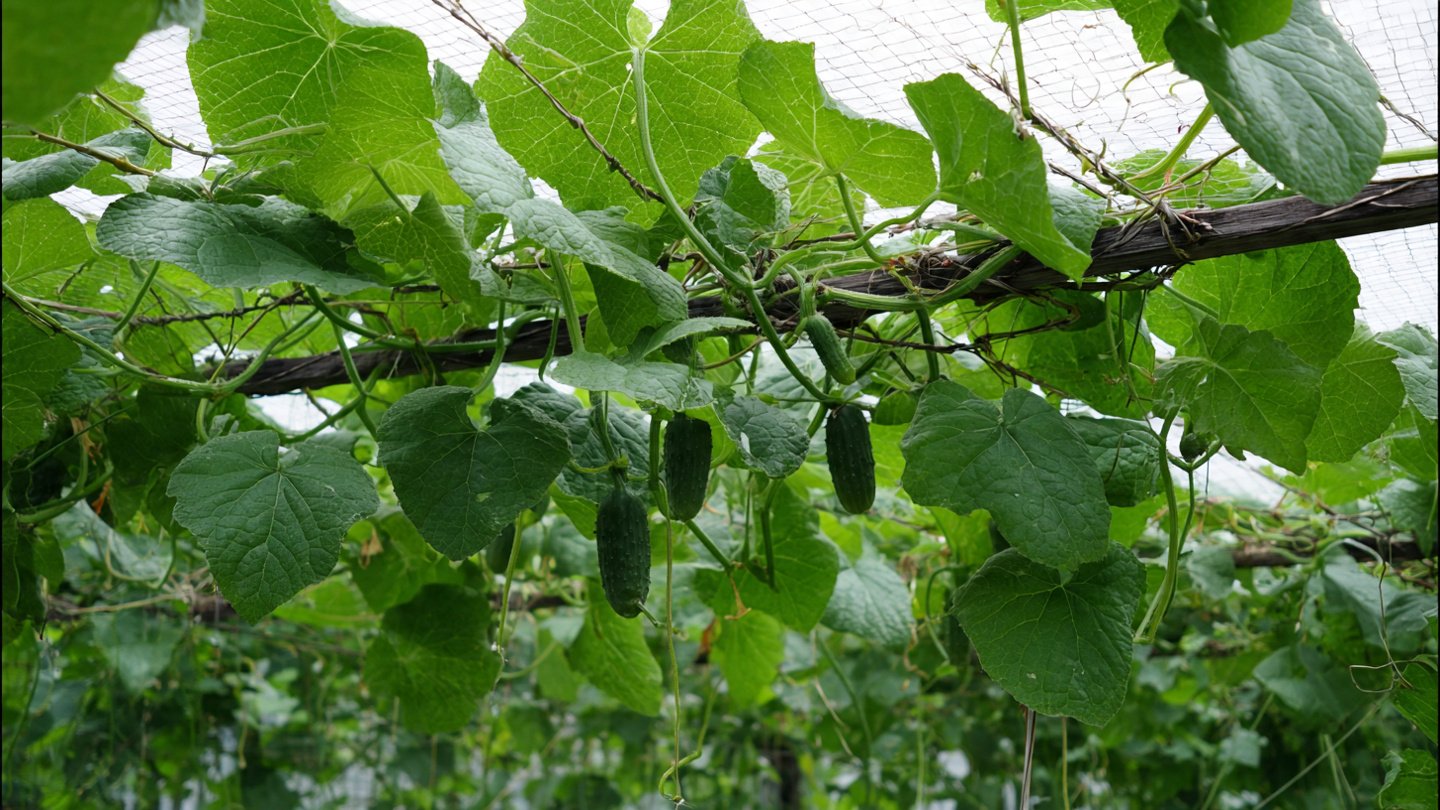
Cucumbers are fast-growing, productive plants that reward gardeners with crisp, refreshing fruit throughout the growing season. While cucumbers can sprawl across the ground, training them vertically on a net is one of the most effective ways to increase yield, improve plant health, and save space. Vertical training not only maximizes sunlight exposure but also reduces disease pressure and makes harvesting easier. Understanding how to properly guide cucumber vines onto a net can dramatically improve both the quantity and quality of your harvest.
Why Training Cucumbers Vertically Makes a Difference
Cucumber plants are natural climbers. They produce tendrils that instinctively grasp nearby structures, making nets an ideal support system. When grown on the ground, cucumber vines compete for space, suffer from poor airflow, and are more vulnerable to pests and rot. Training them on a net lifts foliage and fruit off the soil, creating a cleaner and healthier growing environment.
Vertical growth allows better air circulation around leaves, which reduces fungal diseases. It also ensures even sunlight distribution, leading to more consistent flowering and fruit development. As a result, plants devote more energy to producing cucumbers rather than struggling to survive in crowded conditions.
Choosing the Right Net for Cucumber Vines
The success of vertical training begins with selecting an appropriate net. A sturdy garden net made of nylon, polypropylene, or durable natural fiber works best. The openings should be large enough for cucumber tendrils to grip easily, typically between four and six inches.
The net must be strong enough to support the combined weight of vines and mature cucumbers. As fruit develops, the load can become significant, so flimsy materials often fail mid-season. Secure installation is essential, as a collapsing net can damage plants and reduce yield.
Proper Placement and Installation
Installing the net correctly sets the foundation for healthy vertical growth. Position the net where cucumber plants receive at least six to eight hours of direct sunlight each day. Full sun supports vigorous vine growth and promotes abundant flowering.
Anchor the net firmly to posts, stakes, or a frame before planting. The structure should stand at least five to six feet tall, allowing vines ample vertical space. Bury posts deeply and tighten the net to prevent sagging as plants grow heavier. A taut net encourages upward growth and keeps vines evenly distributed.
Plant Spacing for Vertical Growth
When cucumbers are trained on a net, they require less horizontal space but still need adequate room at the base. Space plants about twelve to eighteen inches apart along the net. Proper spacing prevents overcrowding, improves airflow, and ensures each plant receives enough light and nutrients.
Overcrowded plants may produce excessive foliage but fewer cucumbers. Adequate spacing allows vines to climb efficiently and focus energy on fruit production rather than competing with neighboring plants.
Guiding Young Vines onto the Net
Training should begin early, while vines are young and flexible. Once seedlings develop several true leaves and begin producing tendrils, gently guide them toward the net. Lightly wrap the main stem or tendrils around the netting, encouraging natural attachment.
Avoid forcing or bending vines sharply, as this can damage stems and slow growth. With consistent guidance, cucumber plants quickly learn to climb on their own. Early training reduces tangling and ensures vines grow upward rather than spreading along the ground.
Using Gentle Ties for Support
In some cases, especially with heavy-fruiting varieties, additional support is helpful. Soft plant ties, cloth strips, or garden twine can be used to loosely secure vines to the net. Ties should be snug enough to hold vines in place but loose enough to allow natural expansion.
Never use wire or tight string, as these can cut into stems and restrict growth. Regularly check ties and adjust them as vines thicken. Gentle support helps maintain structure without interfering with plant development.
Pruning for Better Airflow and Yield
Pruning plays an important role in maximizing cucumber yield when growing vertically. While cucumbers do not require heavy pruning, removing unnecessary side shoots and damaged leaves improves airflow and directs energy toward fruiting.
Focus on removing lower leaves that touch the soil and any shoots that crowd the center of the plant. This reduces disease risk and improves light penetration. Controlled pruning also makes it easier to manage vines on the net, preventing excessive tangling.
Managing Tendrils and Growth Direction
Cucumber tendrils naturally latch onto anything nearby, including neighboring plants. Regular monitoring helps guide tendrils toward the net instead of unintended targets. Redirecting tendrils early prevents tangling and keeps growth organized.
If tendrils become overly tangled, carefully reposition them rather than cutting them off. Tendrils help stabilize vines, and removing too many can reduce plant support. Proper management keeps vines upright and evenly distributed across the net.
Watering Practices for Vertically Grown Cucumbers
Vertical training changes how cucumbers interact with moisture. While foliage dries faster due to improved airflow, consistent soil moisture remains essential. Water deeply at the base of plants, keeping leaves as dry as possible to reduce disease risk.
Mulching around the base helps retain moisture, regulate soil temperature, and suppress weeds. Consistent watering prevents stress, which can lead to bitter fruit or reduced flowering. Healthy hydration supports continuous cucumber production.
Fertilization to Support Vertical Growth
Cucumbers grown on nets tend to produce more fruit, increasing nutrient demand. Balanced fertilization supports both vine growth and fruit development. Applying compost or organic fertilizer before planting establishes a strong nutrient base.
During the growing season, periodic feeding with a balanced fertilizer encourages ongoing production. Avoid excessive nitrogen, which promotes leafy growth at the expense of flowers and fruit. A balanced approach ensures vines remain productive throughout the season.
Supporting Heavy Fruit on the Net
As cucumbers mature, their weight can strain vines and the net structure. For large or heavy varieties, consider using slings made from fabric or mesh to support individual fruits. This prevents stress on vines and reduces the risk of fruit dropping or deforming.
Proper net tension and sturdy supports minimize the need for slings, but added support ensures maximum yield without plant damage. Regular inspection allows early intervention before issues arise.
Pest and Disease Reduction Through Vertical Training
One of the major advantages of training cucumbers on a net is reduced pest and disease pressure. Elevating vines makes it harder for ground-dwelling pests to reach foliage and fruit. Improved airflow discourages fungal diseases that thrive in damp, crowded conditions.
Regular monitoring remains essential. Check leaves for pests and remove affected areas promptly. Healthy, well-supported vines are more resilient and recover faster from minor issues.
Harvesting Made Easier
Vertically trained cucumbers are easier to harvest than ground-grown ones. Fruits hang visibly from the net, making them easier to spot and pick at the ideal size. Frequent harvesting encourages plants to produce more cucumbers, extending the harvest period.
Harvest cucumbers regularly before they become oversized. Overripe fruit signals the plant to slow production, reducing overall yield. Consistent harvesting keeps vines productive and healthy.
Maintaining the Net Throughout the Season
As the season progresses, cucumber vines grow rapidly and produce heavy foliage. Periodically check the net for sagging or loosened anchors. Tighten supports as needed to maintain structure.
Remove dead or yellowing leaves to reduce disease risk and improve airflow. Ongoing maintenance ensures the net continues to support vigorous growth until the end of the season.
End-of-Season Cleanup and Reuse
After the growing season, remove vines and clean the net thoroughly. Washing reusable nets removes plant debris and reduces the risk of overwintering pests or diseases. Proper storage extends the life of the net and prepares it for future use.
Cleaning up also improves soil health by preventing disease carryover. Compost healthy plant material and dispose of diseased vines responsibly.
Conclusion
Training cucumber vines on a net is a highly effective technique for maximizing yield, improving plant health, and making efficient use of space. By selecting a sturdy net, installing it properly, guiding vines early, and maintaining consistent care, gardeners can significantly increase productivity.
Vertical growth improves airflow, reduces disease, simplifies harvesting, and allows cucumbers to grow straighter and cleaner. With thoughtful training, pruning, and support, cucumber plants reward growers with abundant harvests throughout the season. This simple yet powerful technique transforms cucumber growing into a more manageable, productive, and enjoyable gardening experience.