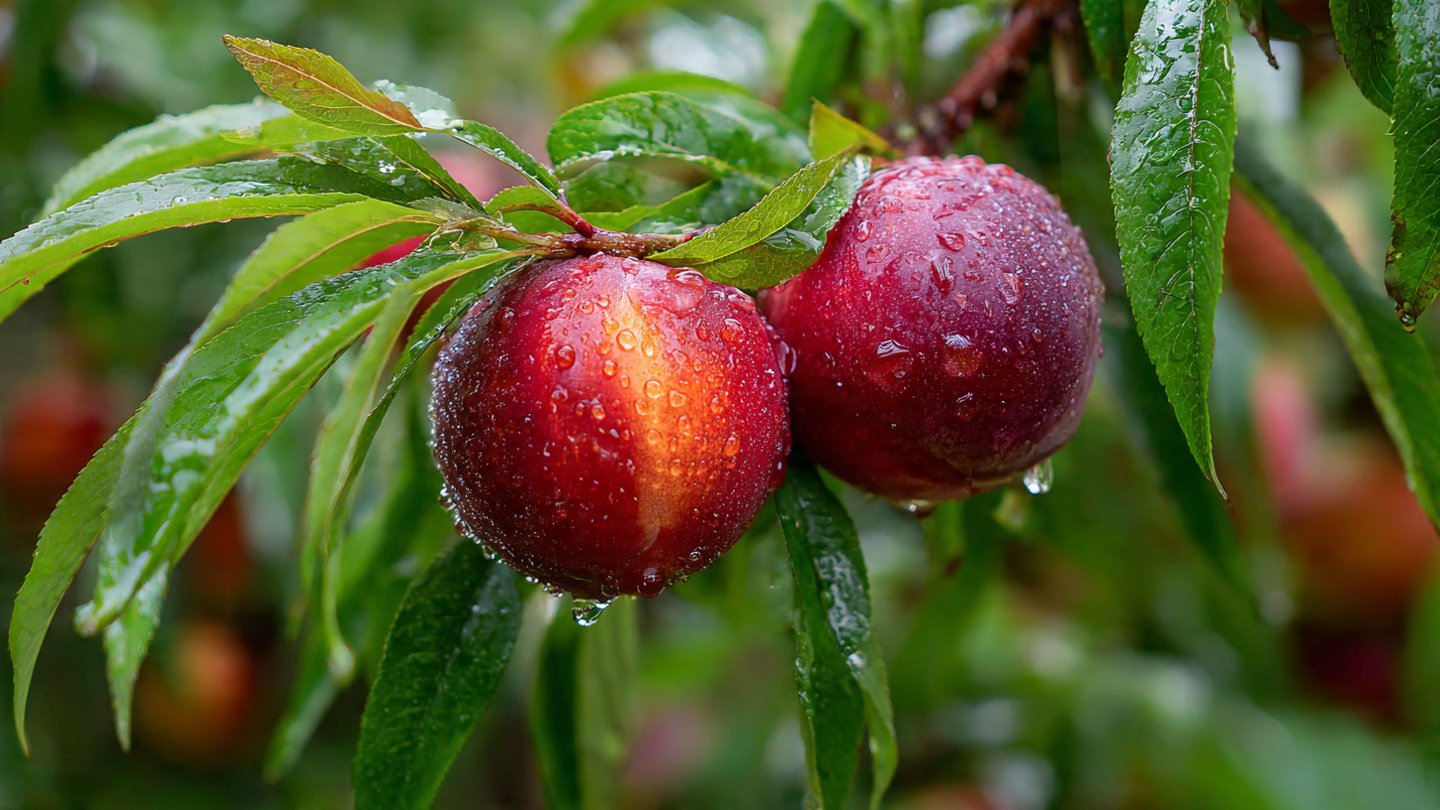
Cultivating fruit trees in your backyard can be both a rewarding and practical endeavor, especially when it comes to growing nectarines. Known for their juicy, sweet flesh and fragrant aroma, nectarines are a favorite among home gardeners. However, many gardeners shy away from planting nectarines due to concerns about cold weather and frost damage. The good news is that cold-hardy nectarine varieties exist, allowing you to enjoy fresh, homegrown nectarines even in regions with harsh winters. This guide provides a simple, comprehensive approach to successfully cultivating cold-hardy nectarine trees in your home garden.
Understanding Cold-Hardy Nectarines
Cold-hardy nectarines are varieties specifically bred to withstand lower winter temperatures without compromising their fruiting potential. Traditional nectarine trees are sensitive to frost, particularly during blooming in early spring, which can result in flower and fruit loss. Cold-hardy varieties, on the other hand, possess resilience that enables them to survive sub-freezing conditions while still producing healthy fruit. Examples include ‘Hardired’, ‘Redgold’, and ‘Early Pearl’. Choosing the right variety is the first step toward a successful nectarine harvest.
Choosing the Right Location
Selecting the right location for planting is crucial for the health and productivity of your nectarine tree. Nectarines thrive in full sun, requiring at least six to eight hours of direct sunlight per day. Sunlight promotes flowering, fruit set, and overall tree vigor. Additionally, consider the soil quality. Well-drained, loamy soils rich in organic matter are ideal. Avoid low-lying areas prone to water accumulation, as standing water can lead to root rot, especially in colder climates where frozen water can damage the root system.
Another factor to consider is air circulation. Planting your tree in a spot with good airflow helps reduce the risk of fungal diseases, such as peach leaf curl or brown rot, which are common in nectarine trees. Slightly elevated areas can help with frost protection, as cold air tends to settle in lower regions.
Preparing the Soil
Before planting, prepare your soil properly to provide the best start for your nectarine tree. Begin by testing the soil pH; nectarines prefer slightly acidic to neutral soil with a pH between 6.0 and 7.0. If the soil is too acidic, you can amend it with lime, while sulfur can be used to lower alkaline soils.
Enriching the soil with organic matter is essential. Incorporate compost or well-rotted manure to improve soil fertility, structure, and drainage. Additionally, creating a raised planting bed can enhance drainage and protect the roots from winter waterlogging. Proper soil preparation ensures your nectarine tree develops a strong root system, which is especially important for cold-hardiness.
Planting Your Nectarine Tree
The best time to plant cold-hardy nectarine trees is during late winter or early spring while the tree is still dormant. Dormant trees experience less transplant shock and are better able to establish roots before the growing season.
Start by digging a hole twice as wide and slightly deeper than the tree’s root ball. Gently place the tree in the hole, making sure the graft union—where the scion meets the rootstock—is above the soil line. Backfill with amended soil, pressing gently to remove air pockets. Water thoroughly after planting to settle the soil and provide initial moisture for the roots.
Spacing is another important consideration. Nectarine trees require ample space for growth and air circulation. Standard trees need about 15 to 20 feet between trees, while dwarf varieties can thrive with 8 to 10 feet of spacing. Proper spacing not only encourages healthy growth but also facilitates pruning and maintenance.
Watering and Fertilization
Consistent watering is vital, especially during the first year of establishment. Newly planted trees require deep watering to encourage root penetration into the surrounding soil. Water once or twice a week, adjusting for rainfall and soil type. Overwatering should be avoided, as it can suffocate roots and increase susceptibility to diseases.
Fertilization should begin in the second year after planting. A balanced fertilizer with equal parts nitrogen, phosphorus, and potassium helps support both vegetative growth and fruit production. Avoid over-fertilizing, which can lead to excessive leafy growth at the expense of flowers and fruit. Applying a slow-release fertilizer in early spring ensures that nutrients are available throughout the growing season.
Pruning and Training
Pruning is one of the most important practices for successful nectarine cultivation, particularly in cold climates. Pruning improves sunlight penetration, promotes air circulation, and maintains a manageable tree structure. Cold-hardy nectarine trees benefit from open-center pruning, also known as vase-shaped pruning. This involves selecting three to five main scaffolding branches and removing central branches to allow light to reach the interior of the tree.
Prune in late winter before bud break, removing dead, diseased, or crossing branches. Regular pruning encourages healthy growth, reduces the risk of frost damage by preventing dense canopies, and enhances fruit quality by allowing sunlight to ripen the fruit evenly. Additionally, thinning the fruit in early spring—removing excess young fruits—prevents overcrowding and ensures larger, sweeter nectarines.
Protecting Your Tree from Frost
Even cold-hardy nectarines are susceptible to late spring frosts, which can damage blossoms and reduce fruit set. Several methods can protect your tree during vulnerable periods.
- Frost Cloths and Covers: Covering young trees or blossoms with frost cloths or lightweight blankets helps trap heat and protect flowers from freezing temperatures.
- Watering: Moist soil retains heat better than dry soil, so watering the base of the tree before a frost event can slightly raise the surrounding temperature.
- Wind Machines or Fans: If frost is common in your area, using a fan to circulate air around the tree can prevent cold air from settling and forming frost pockets.
- Microclimate Selection: Planting near walls, fences, or slopes can naturally provide warmth and reduce frost exposure.
Pest and Disease Management
Nectarine trees are prone to several pests and diseases that can affect fruit quality and tree health. Common pests include aphids, scale insects, and peach tree borers. Early detection is key to effective management. Introduce beneficial insects like ladybugs to naturally control aphids, and use horticultural oils to manage scale infestations.
Fungal diseases such as brown rot, powdery mildew, and peach leaf curl can be minimized with proper pruning, adequate spacing, and fungicide applications if necessary. Cold-hardy varieties often have better disease resistance, but maintaining good garden hygiene by removing fallen leaves and infected fruits helps reduce disease pressure.
Harvesting Nectarines
Patience is key when waiting for your nectarines to ripen. Fruit typically ripens in mid to late summer, depending on the variety and local climate. Nectarines are ready to harvest when they develop full color, are slightly soft to the touch, and emit a sweet fragrance. Avoid picking unripe fruit, as nectarines do not continue to ripen significantly after being harvested.
Use gentle hands when harvesting to avoid bruising, and store fruit at room temperature for a day or two to enhance flavor if needed. Homegrown nectarines offer a superior taste compared to store-bought fruit, with natural sweetness and aroma that make all the gardening effort worthwhile.
Conclusion
Cultivating cold-hardy nectarine trees in your home garden can be a highly satisfying and fruitful endeavor. By selecting the right variety, providing optimal sunlight and soil conditions, practicing proper pruning, and protecting your trees from frost, you can enjoy a bountiful harvest year after year. Watering, fertilization, pest management, and timely harvesting further ensure that your trees remain healthy and productive. With careful planning and consistent care, even gardeners in colder climates can relish the pleasure of fresh, juicy nectarines straight from their backyard.
Cold-hardy nectarine trees prove that climate limitations need not prevent anyone from growing this delicious fruit. Following these guidelines, your garden can become a haven for nectarines, providing both aesthetic beauty and culinary delight. Homegrown nectarines are not only healthier and more flavorful than store-bought options but also offer the satisfaction of cultivating nature’s bounty yourself.
Whether you are a novice gardener or an experienced fruit tree enthusiast, cold-hardy nectarine trees offer an accessible way to embrace gardening success in cold climates. With patience, dedication, and the right techniques, your home garden can thrive with sweet, juicy nectarines that delight the senses and elevate your outdoor space.