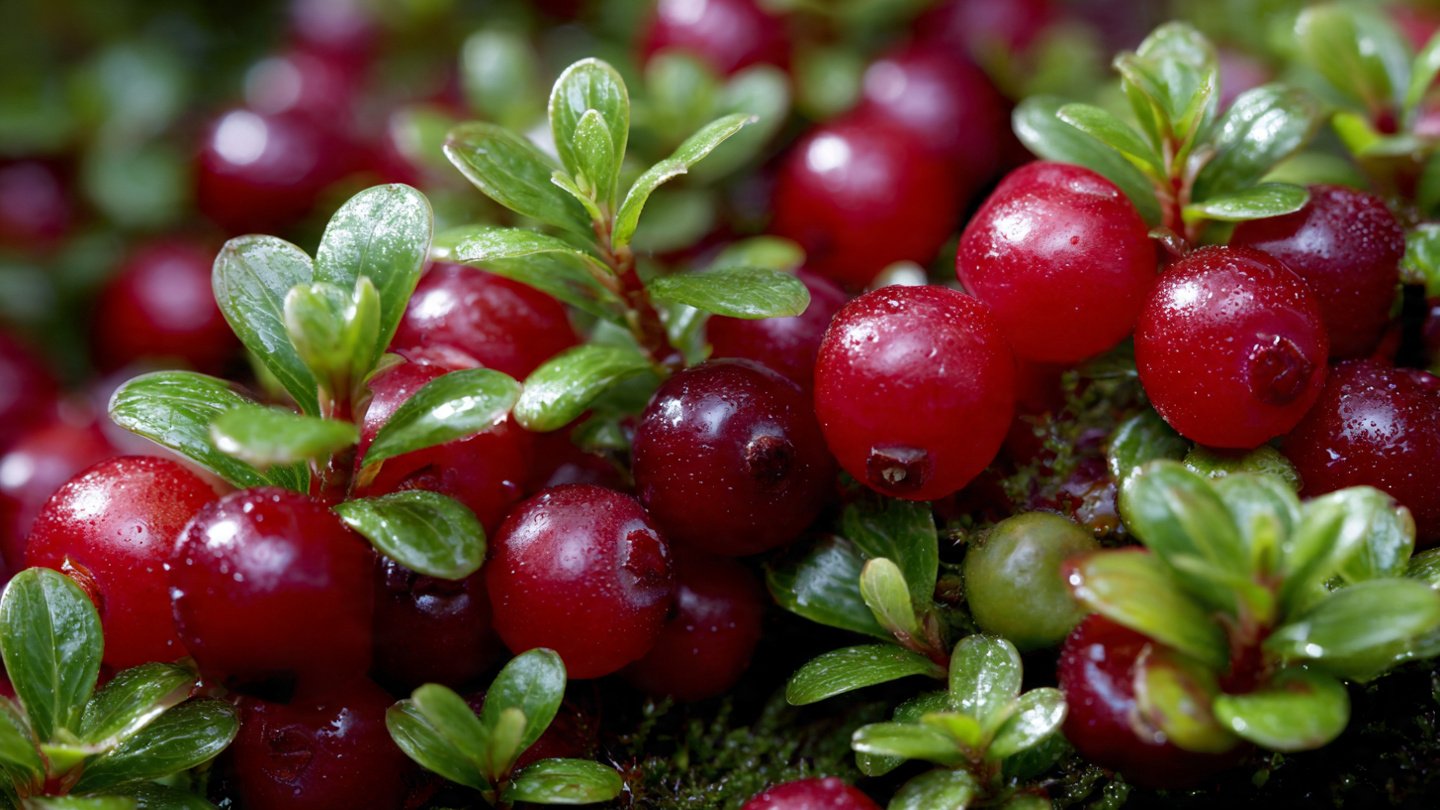
Urban gardening has become increasingly popular as city dwellers seek ways to reconnect with nature, produce their own fresh foods, and make efficient use of limited outdoor spaces. Among the many plants suited for container gardening, lingonberries (Vaccinium vitis-idaea) stand out as a unique and rewarding choice. These small, evergreen shrubs produce vibrant red berries that are not only visually appealing but also packed with nutrients. Growing lingonberries in containers offers a variety of advantages for urban gardeners and those with limited space, making them an ideal addition to small patios, balconies, or rooftop gardens. In this article, we will explore the benefits of container-grown lingonberries, tips for successful cultivation, and how these plants can enhance both the aesthetics and functionality of small urban gardens.
Adaptability to Limited Space
One of the primary benefits of growing lingonberries in containers is their adaptability to confined spaces. Traditional gardening requires significant ground space, which can be a limiting factor in urban environments where yards are small or nonexistent. Lingonberries, however, thrive in pots and planters, allowing gardeners to cultivate them on balconies, terraces, or even indoors near sunny windows. Their compact growth habit makes them particularly suitable for container gardening. Unlike some other berry-producing plants that can grow large and sprawling, lingonberries remain manageable, typically reaching only 6–12 inches in height and spreading up to 12 inches, making them ideal for small-space cultivation.
Soil and Drainage Control
Lingonberries have specific soil requirements that can be challenging to achieve in urban garden beds. They prefer acidic, well-draining soil rich in organic matter. Containers provide gardeners with the opportunity to create the perfect soil mix tailored to lingonberries’ needs, ensuring healthier growth and higher yields. A mixture of peat moss, pine bark, and sand or perlite can replicate the natural acidic conditions these plants thrive in. Moreover, containers with proper drainage prevent waterlogging, which is particularly important for lingonberries, as their roots are sensitive to excessive moisture. By controlling soil conditions, urban gardeners can successfully grow lingonberries even in areas where the native soil is unsuitable.
Ease of Mobility
Container-grown lingonberries offer unmatched mobility compared to in-ground plantings. Gardeners can easily move pots to optimize sunlight exposure throughout the year or to protect plants from harsh weather conditions such as strong winds or frost. This flexibility is particularly valuable in urban environments where microclimates may vary significantly. Additionally, containers allow gardeners to rearrange their plants to fit aesthetic preferences, creating dynamic, adaptable garden layouts that suit the changing seasons or evolving urban spaces. The ability to move plants also reduces the risk of pest infestations, as gardeners can temporarily isolate affected containers for treatment.
Enhanced Disease and Pest Management
Growing lingonberries in containers provides a natural barrier against certain diseases and pests commonly found in traditional garden beds. Urban environments may harbor pests such as slugs, snails, or ground-dwelling insects that can damage lingonberry plants. Elevating the plants in pots makes it more difficult for these pests to reach them, reducing the need for chemical interventions. Furthermore, container gardening allows for easier monitoring of individual plants for signs of disease, such as leaf discoloration or fungal growth. Prompt identification and treatment help maintain plant health and ensure consistent berry production, making container cultivation a proactive approach to pest and disease management.
Extended Growing Season and Microclimate Benefits
Containers offer an opportunity to extend the growing season for lingonberries. In urban areas with fluctuating temperatures, pots can be moved to take advantage of warmer microclimates or sheltered areas. For example, containers placed against south-facing walls can absorb heat during the day, creating a slightly warmer environment that supports earlier growth in spring and extends the harvest period in fall. Additionally, containers can be brought indoors during harsh winter months, protecting the plants from extreme cold while still allowing them to remain dormant until spring. This adaptability is particularly beneficial for gardeners who live in regions with unpredictable weather conditions.
Nutritional and Culinary Value
Lingonberries are well-known for their high nutritional value. Rich in antioxidants, vitamins C and E, and dietary fiber, they offer numerous health benefits, including immune support, improved digestion, and anti-inflammatory properties. By growing lingonberries in containers, urban gardeners have direct access to these nutrient-dense berries, encouraging healthier eating habits and reducing reliance on store-bought produce. Culinary enthusiasts can use freshly harvested lingonberries to prepare jams, sauces, juices, or desserts, adding a unique tart flavor to dishes. Having a personal supply of lingonberries also ensures that the fruit is free from pesticides and chemicals, contributing to overall food safety and quality.
Aesthetic Appeal and Garden Design
In addition to their practical benefits, lingonberries add significant aesthetic value to small urban gardens. The glossy, dark green leaves provide year-round visual interest, while the bright red berries create striking color contrast, particularly in late summer and fall. In container arrangements, lingonberries can be paired with other plants such as dwarf conifers, ornamental grasses, or flowering perennials to create a visually appealing composition. Hanging baskets, tiered planters, or decorative pots can further enhance the garden’s appearance, making lingonberries a versatile choice for urban gardeners looking to maximize both form and function.
Low Maintenance Requirements
Lingonberries are relatively low-maintenance plants, which makes them well-suited for urban gardeners with limited time or experience. Once established, they require minimal pruning and can tolerate periods of drought if necessary. Regular watering, appropriate soil acidity, and occasional fertilization with an acidic fertilizer are typically sufficient to support healthy growth. Container gardening simplifies routine maintenance tasks, as water and nutrients can be delivered directly to the root zone, reducing waste and ensuring that the plants receive exactly what they need. This combination of low-maintenance care and high reward makes lingonberries an ideal choice for busy city dwellers.
Educational and Therapeutic Benefits
Growing lingonberries in containers also provides educational and therapeutic benefits. Urban gardening can serve as a hands-on learning experience for children and adults alike, teaching important lessons about plant biology, ecology, and sustainable food production. Additionally, tending to container plants has been shown to reduce stress, improve mental well-being, and foster a sense of accomplishment. The process of planting, nurturing, and harvesting lingonberries can create a tangible connection to nature, even in densely populated urban environments. This connection not only enhances personal well-being but also promotes environmental awareness and encourages sustainable living practices.
Challenges and Considerations
While container gardening offers numerous advantages, urban gardeners should be aware of certain challenges when growing lingonberries in pots. Selecting appropriately sized containers is essential, as lingonberries have shallow roots that require ample surface area for proper growth. Containers that are too small may restrict root development, leading to reduced fruit production. Additionally, container-grown plants may require more frequent watering than those planted in the ground, especially during hot summer months, as pots tend to dry out more quickly. Careful attention to soil acidity, drainage, and nutrient supplementation will help mitigate these challenges and support a thriving container-grown lingonberry crop.
Conclusion
Growing lingonberries in containers presents an array of benefits for urban and small-space gardeners. Their adaptability to limited space, ability to thrive in customized soil conditions, ease of mobility, and natural protection against pests make them an excellent choice for city gardening. Beyond practicality, lingonberries offer nutritional value, culinary versatility, aesthetic appeal, and opportunities for educational and therapeutic engagement. While container cultivation requires attention to pot size, watering, and soil management, the rewards of fresh, vibrant berries and year-round greenery far outweigh the challenges. For anyone looking to maximize the potential of small urban gardens, incorporating lingonberries in containers is a practical, enjoyable, and highly rewarding endeavor.
Urban gardening with lingonberries transforms even the smallest outdoor spaces into productive, beautiful, and health-promoting environments. By embracing container cultivation, city dwellers can enjoy the satisfaction of homegrown fruit, the visual charm of evergreen shrubs, and the personal connection to nature that comes with nurturing plants in a bustling urban landscape. Whether for fresh consumption, culinary experimentation, or simply to add greenery to a balcony or terrace, container-grown lingonberries are a small but mighty addition to urban gardens.