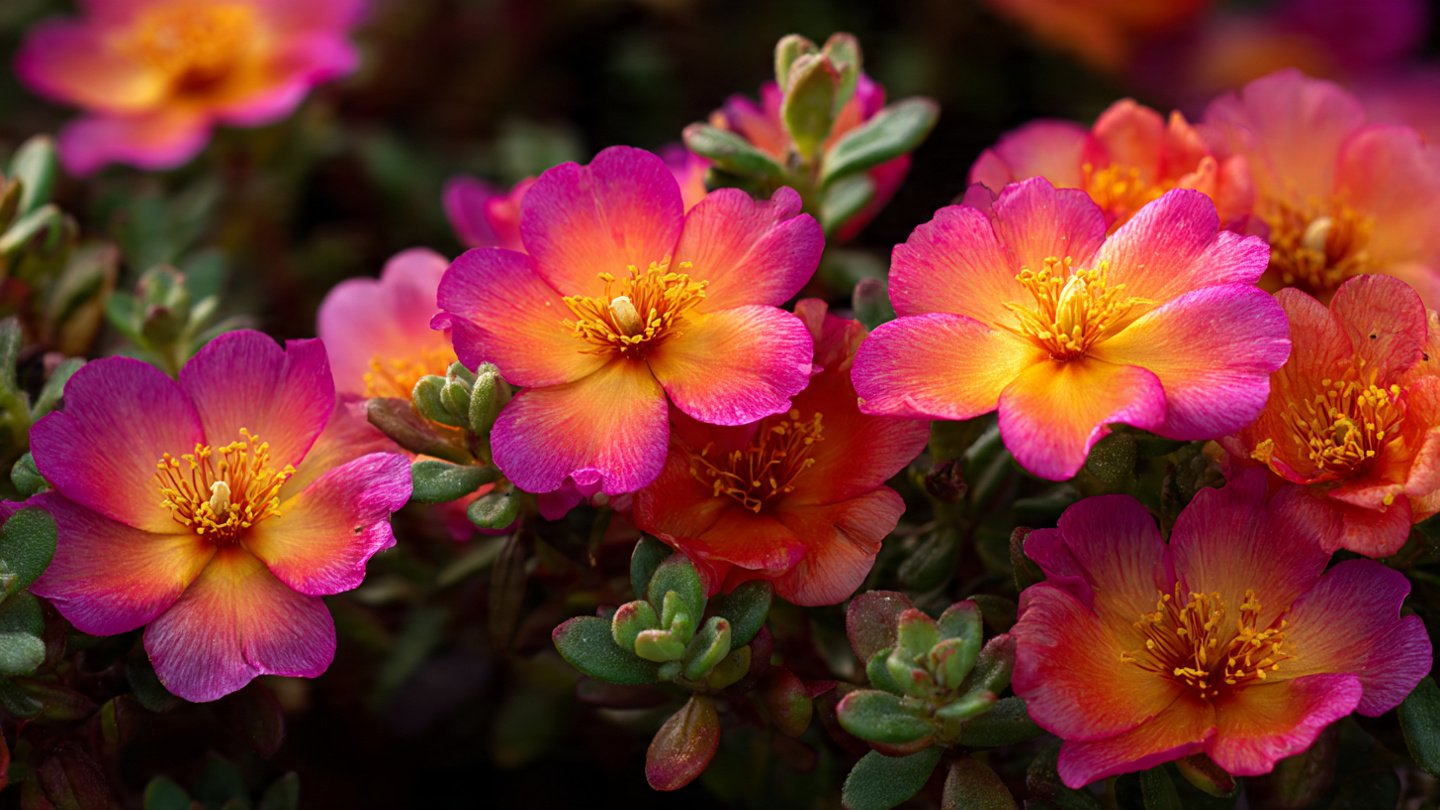
Portulaca moss type flowers, commonly known for their vibrant colors and low-growing habit, are a favorite among gardeners seeking hardy, drought-tolerant plants. These cheerful flowers are ideal for borders, rock gardens, containers, and ground cover, especially in warm and sunny environments. Although portulaca is considered easy to grow, achieving lush growth and continuous blooming requires understanding its specific needs. This guide explains how to successfully cultivate portulaca moss type flowers in your garden through proper planning, care, and maintenance.
Understanding Portulaca Moss Type Flowers
Portulaca moss type flowers are succulent annuals that thrive in hot, dry conditions. Their fleshy leaves store water, allowing them to survive periods of drought where other flowering plants might struggle. The flowers open in full sunlight and close during cloudy weather or at night, making them especially appealing in bright, sunny gardens. They are available in a wide range of colors, including pink, red, yellow, orange, white, and multicolored varieties. Their compact growth habit and spreading nature make them excellent for filling gaps and softening hard edges in garden spaces.
Choosing the Right Location
Selecting the correct location is one of the most important factors in growing healthy portulaca moss flowers. These plants require full sun to perform well. At least six to eight hours of direct sunlight per day is necessary for strong growth and abundant blooms. Shaded or partially shaded areas will result in leggy plants with fewer flowers. Choose a spot that receives uninterrupted sunlight throughout the day, such as open garden beds, slopes, or sunny patios.
Good air circulation is also important, as it helps prevent fungal problems. Avoid planting portulaca in low-lying areas where moisture may collect, as excess humidity can negatively affect the plants.
Soil Requirements and Preparation
Portulaca moss type flowers prefer poor to moderately fertile soil with excellent drainage. Unlike many flowering plants, they do not thrive in rich, heavily amended soil. Overly fertile soil encourages excessive leaf growth at the expense of flowers. Sandy or gravelly soil works best, as it allows water to drain quickly and prevents root rot.
Before planting, loosen the soil to improve drainage and remove any compacted areas. If your soil is heavy clay, consider mixing in sand or fine gravel to enhance drainage. Raised beds or containers are also excellent options for gardeners with poor native soil. Avoid adding large amounts of compost or organic matter, as this can retain too much moisture.
Planting Portulaca Successfully
Portulaca can be grown from seeds or nursery-grown transplants. Both methods are effective when done correctly. Seeds should be sown after the last frost when soil temperatures have warmed. Scatter seeds lightly on the soil surface and press them gently into the soil without covering them, as they require light to germinate. Water lightly to keep the soil slightly moist until seedlings emerge.
When planting transplants, space them about six to eight inches apart to allow room for spreading. Plant them at the same depth they were growing in their containers. Water gently after planting to help roots settle into the soil. Once established, portulaca requires minimal watering.
Watering Practices
One of the biggest advantages of portulaca moss type flowers is their drought tolerance. These plants prefer dry conditions and are highly sensitive to overwatering. Water newly planted seedlings or transplants lightly until they establish roots. After establishment, water only when the soil is completely dry.
Overwatering is the most common cause of failure with portulaca. Excess moisture can lead to root rot, stem collapse, and fungal diseases. During periods of heavy rainfall, ensure that water drains freely from the planting area. In containers, make sure drainage holes are clear and unobstructed.
Fertilization Guidelines
Portulaca moss flowers require little to no fertilization. In fact, excessive fertilizer can reduce blooming and weaken the plant’s natural compact form. If your soil is extremely poor, a light application of a balanced, diluted fertilizer once early in the growing season is sufficient.
Avoid high-nitrogen fertilizers, as they promote leaf growth rather than flower production. Slow-release or organic fertilizers should be used sparingly. In most cases, portulaca will thrive without any additional feeding, relying on minimal nutrients to support healthy flowering.
Temperature and Climate Considerations
Portulaca thrives in warm temperatures and performs best during summer. It is highly heat tolerant and can handle extreme temperatures that stress other plants. However, it is sensitive to cold and frost. Planting should only occur after all danger of frost has passed.
In cooler climates, portulaca is grown as an annual, completing its life cycle in one season. In warmer regions, it may reseed itself and return year after year. Protect plants from unexpected cold snaps, as even light frost can damage or kill them.
Pruning and Maintenance
Maintenance for portulaca moss type flowers is minimal, making them ideal for low-effort gardens. Deadheading spent blooms is not strictly necessary, as many varieties are self-cleaning. However, removing faded flowers can improve appearance and encourage additional blooming.
If plants become leggy or sparse during the growing season, a light trimming can help restore compact growth. Use clean scissors to cut back stems by a few inches. This encourages branching and fresh flower production. Remove any damaged or diseased stems promptly to maintain plant health.
Pest and Disease Management
Portulaca is generally resistant to pests and diseases, especially when grown in proper conditions. However, aphids and spider mites may occasionally appear, particularly in stressed plants. Regular inspection helps detect problems early. A gentle spray of water or an application of insecticidal soap can control minor infestations.
Fungal diseases are usually the result of excessive moisture or poor drainage. Avoid overhead watering and ensure plants are not overcrowded. Good air circulation and dry soil conditions significantly reduce disease risk.
Growing Portulaca in Containers
Portulaca moss type flowers are excellent choices for containers, hanging baskets, and window boxes. Their trailing growth habit creates a beautiful cascading effect. Use containers with ample drainage holes and fill them with a light, well-draining potting mix.
Place containers in full sun and water sparingly. Container-grown portulaca may require slightly more frequent watering than garden-grown plants, but the soil should always dry out between watering sessions. Avoid saucers that allow water to accumulate at the base of the pot.
Encouraging Continuous Blooming
To enjoy nonstop blooms throughout the season, ensure plants receive full sun, minimal water, and limited fertilizer. Stress from overwatering or excessive nutrients reduces flowering. Portulaca blooms most prolifically during hot, sunny weather, so allow plants to experience natural summer conditions.
Removing spent flowers, trimming leggy growth, and maintaining proper spacing all contribute to extended blooming. Healthy plants can flower continuously from early summer until the first frost.
Saving Seeds for Future Planting
Portulaca easily produces seeds that can be collected for future use. Allow a few flowers to mature fully and dry on the plant. Once seed pods form and dry, gently collect them and store seeds in a cool, dry place. Label them clearly for planting the following season.
Saving seeds not only reduces gardening costs but also allows you to preserve favorite colors and varieties adapted to your local conditions.
Conclusion
Successfully cultivating portulaca moss type flowers in your garden is both simple and rewarding. By providing full sun, well-drained soil, minimal watering, and limited fertilization, gardeners can enjoy vibrant, long-lasting blooms with very little effort. These resilient flowers are perfect for hot climates, beginner gardeners, and anyone seeking colorful, low-maintenance plants. With proper planting, thoughtful care, and attention to their natural preferences, portulaca moss type flowers will transform your garden into a bright, cheerful space throughout the growing season.