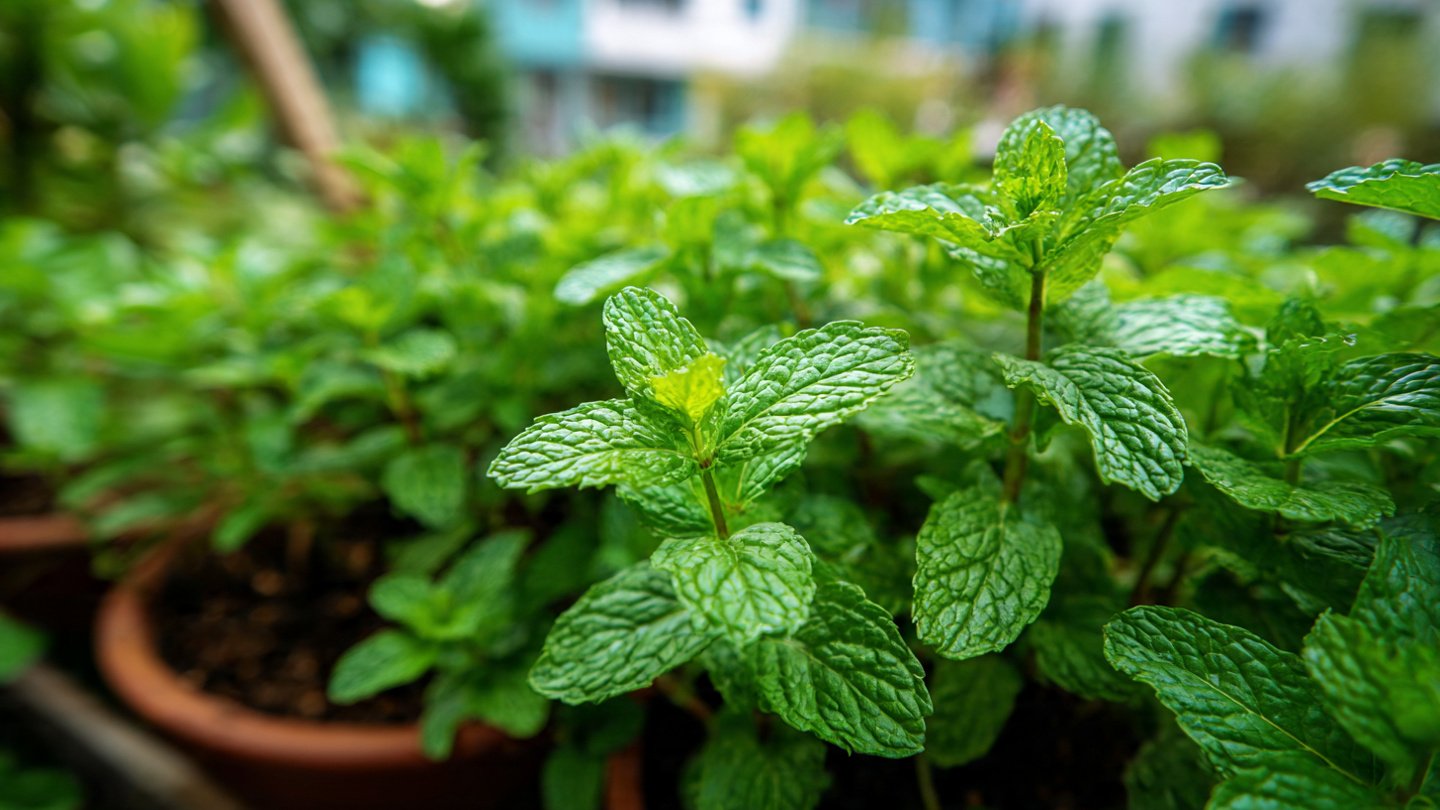
Mint is one of the most popular and versatile herbs grown at home. Its refreshing aroma, fast growth, and wide range of culinary and medicinal uses make it a favorite for beginners and experienced gardeners alike. However, mint is also known for its aggressive spreading habit, which can quickly overwhelm garden beds if left unchecked. For gardeners working with limited space, learning how to grow mint efficiently while controlling its growth is essential. With the right techniques, mint can thrive in small spaces and deliver an abundant harvest throughout the growing season.
Understanding Mint Growth Habits
Mint is a hardy perennial herb that spreads through underground runners rather than relying solely on seeds. This growth habit allows it to colonize large areas quickly, which is why it is often labeled invasive. While this can be a challenge in open gardens, it becomes an advantage in containers and small spaces where growth can be controlled.
Mint grows vigorously when given adequate sunlight, moisture, and nutrients. The more frequently it is harvested, the more it produces new shoots and leaves. Understanding this cycle is key to maximizing yield in confined environments.
Choosing the Right Mint Variety
There are many types of mint, each with unique flavors and growth characteristics. Peppermint and spearmint are among the most common and productive varieties, while chocolate mint, apple mint, and lemon mint offer distinctive aromas and tastes. For small spaces, compact or slower-spreading varieties are easier to manage, though even fast-growing types can be controlled with proper techniques.
When selecting mint, consider how you plan to use it. Culinary uses may favor milder flavors, while teas and aromatics may benefit from stronger varieties. Healthy starter plants or cuttings establish faster than seeds, making them ideal for small-space gardening.
Containers Are the Key to Control
The most effective technique for growing mint in small spaces is container planting. Containers prevent underground runners from spreading and allow you to regulate growth precisely. Pots that are 8 to 12 inches wide and deep provide enough room for healthy root development while keeping the plant compact.
Containers should always have drainage holes to prevent waterlogging. Mint prefers consistently moist soil, but soggy conditions can lead to root rot. Elevating pots slightly improves drainage and airflow, especially on balconies or patios.
Mint can also be grown in hanging baskets, window boxes, or vertical planters. These options maximize space while keeping growth contained and accessible for harvesting.
Soil Preparation for Maximum Yield
Mint thrives in rich, well-draining soil. A high-quality potting mix combined with compost provides the nutrients needed for rapid leaf production. Avoid heavy garden soil, which can compact in containers and restrict root growth.
Maintaining soil fertility is essential for continuous harvesting. Since mint grows quickly and is harvested frequently, it benefits from soil that retains moisture while allowing excess water to drain freely. Refreshing the soil or adding compost periodically keeps plants productive throughout the season.
Sunlight and Placement
Mint grows best in partial to full sunlight. Ideally, plants should receive four to six hours of direct sunlight daily. In very hot climates, some afternoon shade helps prevent leaf scorching and moisture loss.
One advantage of growing mint in small spaces is flexibility. Containers can be moved to adjust light exposure as seasons change. Indoors, placing mint near a bright window or under grow lights ensures steady growth year-round.
Watering Techniques That Boost Growth
Consistent watering is essential for lush mint growth. The soil should remain evenly moist but never saturated. Allowing the soil to dry out completely can stress the plant and reduce leaf production.
In small containers, water more frequently, especially during warm weather. Checking moisture levels daily prevents both drought stress and overwatering. Mulching the soil surface with organic material helps retain moisture and regulate temperature, further supporting healthy growth.
Feeding Mint for Continuous Harvests
Mint is not a heavy feeder, but regular nutrients support vigorous leaf production. A balanced, diluted liquid fertilizer applied every few weeks encourages steady growth without causing excessive legginess. Organic options such as compost tea or fish emulsion work particularly well for herbs.
Avoid over-fertilizing, as this can reduce flavor intensity. Mild, consistent feeding produces aromatic leaves with better taste and texture. In small spaces, less is often more when it comes to fertilization.
Pruning and Harvesting for Maximum Yield
Frequent harvesting is one of the best techniques for increasing mint yield. Cutting stems regularly encourages the plant to branch and produce more leaves. Begin harvesting once the plant reaches six to eight inches tall, removing no more than one-third of the plant at a time.
Always cut just above a leaf node to promote new growth. Pinching off flower buds is especially important, as flowering signals the plant to slow leaf production. Keeping mint in a vegetative state ensures a continuous supply of fresh leaves.
Pruning also helps maintain compact growth, making mint easier to manage in small spaces. Regular trimming prevents plants from becoming leggy or overcrowded.
Vertical and Creative Growing Solutions
Small spaces benefit from creative growing methods. Vertical planters allow mint to grow upward rather than outward, saving valuable surface area. Wall-mounted planters, tiered shelves, and stackable pots create visually appealing herb displays while maximizing yield.
Mint also adapts well to mixed herb containers when properly spaced. Pairing mint with herbs that have similar water and light requirements allows efficient use of space. However, mint should always have its own confined area within shared containers to prevent overtaking other plants.
Managing Pests and Diseases Naturally
Mint is relatively resistant to pests, but aphids, spider mites, and whiteflies may occasionally appear, especially indoors. Regular inspection and early intervention keep problems manageable. Washing leaves with water or using mild organic sprays effectively controls most pests.
Good airflow and proper spacing reduce disease risk. Avoid overhead watering late in the day, as damp foliage can encourage fungal issues. Removing damaged or diseased leaves promptly helps maintain plant health and productivity.
Growing Mint Indoors Year-Round
Indoor mint growing is ideal for small apartments or colder climates. With sufficient light and proper watering, mint produces well indoors. Rotating plants occasionally ensures even growth and prevents leaning toward light sources.
Indoor containers dry out more slowly, so adjust watering accordingly. Maintaining moderate humidity and good airflow supports healthy leaf development. Indoor mint allows year-round harvesting, ensuring a constant supply of fresh herbs.
Propagation for Endless Supply
Mint is one of the easiest herbs to propagate. Cuttings taken from healthy stems root quickly in water or soil. This makes it easy to expand your mint supply without purchasing new plants.
Propagation also helps rejuvenate older plants. Replacing mature plants with fresh cuttings every year or two keeps yields high and prevents woody growth. For small-space gardeners, propagation is an efficient way to maintain productivity without overcrowding.
Seasonal Care and Longevity
Mint is perennial in many climates and can survive winter with minimal care. Outdoor containers may need insulation or relocation to sheltered areas during cold weather. In mild climates, mint may continue growing year-round.
Cutting plants back at the end of the growing season promotes fresh growth in spring. Seasonal maintenance ensures plants remain healthy and productive for years, even in limited space.
Conclusion
Growing mint in small spaces does not require large gardens or advanced skills. With the right techniques, mint thrives in containers, vertical planters, and indoor environments while delivering impressive yields. The key lies in controlling growth through containers, maintaining consistent care, and harvesting frequently.
By choosing suitable varieties, providing proper light, water, and nutrients, and practicing regular pruning, gardeners can enjoy abundant mint harvests from even the smallest spaces. Whether grown on a windowsill, balcony, or compact patio, mint proves that limited space can still produce maximum flavor, aroma, and satisfaction.