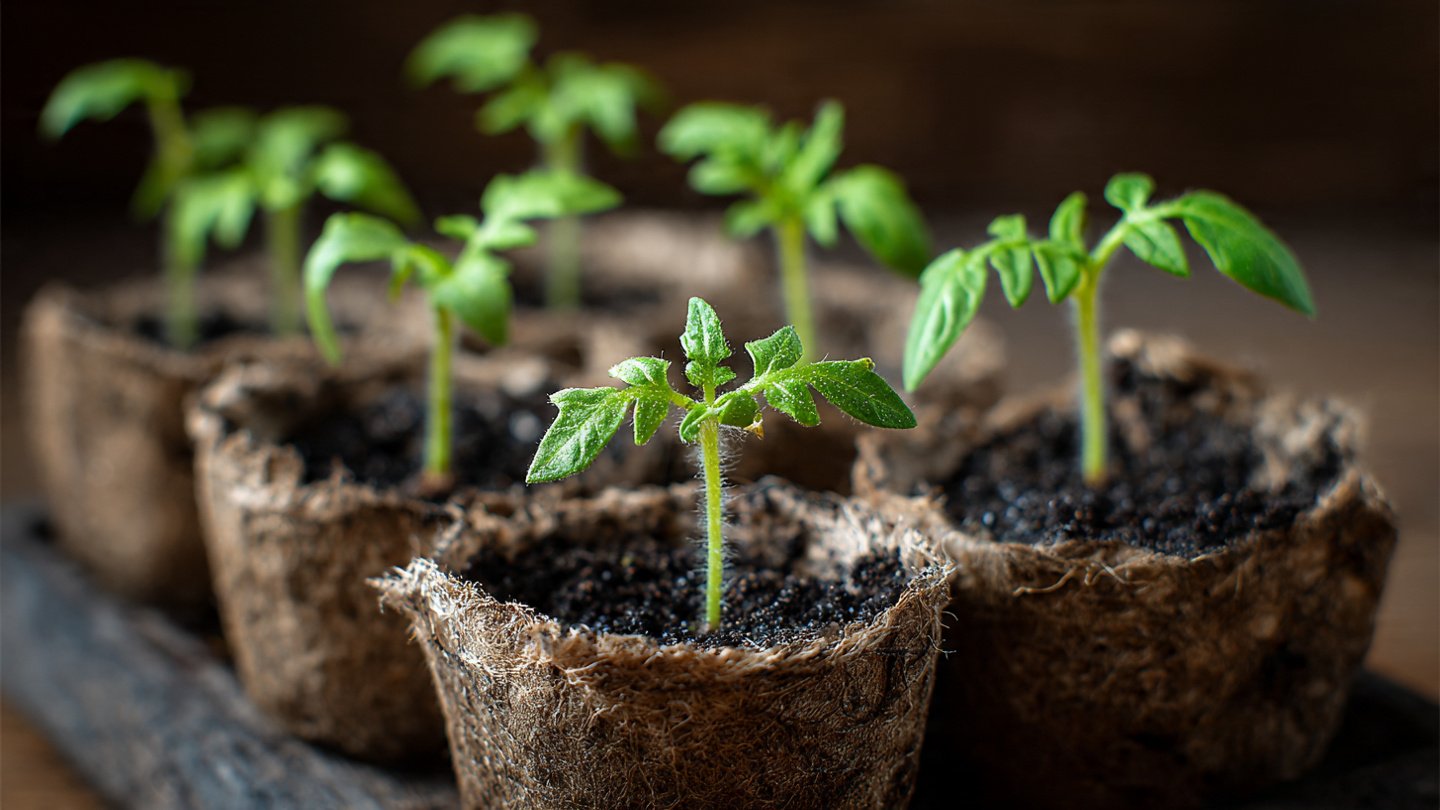
Growing tomatoes from seeds is one of the most rewarding and educational experiences for beginner gardeners. Watching a tiny seed transform into a thriving seedling is a tangible reminder of the magic of plant life. While it may seem intimidating at first, germinating tomato seeds successfully is a straightforward process when approached with the right techniques, care, and patience. Understanding the fundamentals—from selecting high-quality seeds to providing ideal conditions for sprouting—lays the foundation for healthy seedlings that will later produce bountiful fruit. This guide provides a step-by-step approach for beginners to confidently germinate tomato seeds and start their gardening journey.
Why Start Tomatoes from Seeds?
Starting tomatoes from seeds offers several advantages over buying seedlings. First, it allows gardeners to access a wider variety of tomato types, including heirlooms, rare hybrids, and specialty varieties not available at local nurseries. Seed-grown plants often adapt better to local growing conditions, as they develop from the earliest stage under the gardener’s care. Additionally, starting from seed is cost-effective, as a small packet of seeds can yield dozens of seedlings, compared to purchasing individual plants.
Beyond practicality, germinating tomato seeds teaches essential gardening skills, such as understanding soil requirements, managing moisture, and monitoring growth stages. These skills are transferable to other plants, creating a solid foundation for future gardening endeavors.
Selecting the Right Seeds
The first step in successful germination is choosing high-quality seeds. Look for reputable suppliers or garden centers that provide seeds with a clear description of variety, maturity time, and disease resistance. Consider your growing environment when selecting seeds. For example, early-maturing varieties are ideal for short growing seasons, while indeterminate types are suitable for longer growing seasons or gardeners seeking continuous harvests.
Check the seed packet for the expiration date. Fresh seeds generally have higher germination rates. Old or improperly stored seeds may still sprout, but success rates are reduced. Some gardeners even perform a simple germination test by placing a few seeds on a damp paper towel to see if they sprout before committing to planting a full batch.
Choosing a Germination Medium
Tomato seeds require a medium that retains moisture while providing good aeration. Standard potting soil is often used, but for beginners, a seed-starting mix is recommended. These mixes are lightweight, sterile, and fine-textured, minimizing the risk of disease and ensuring even moisture distribution. Avoid using garden soil, as it may harbor pathogens, weed seeds, or be too dense for delicate seedlings.
Other soil-free options, such as coconut coir or vermiculite, can also be effective. These mediums are water-retentive and provide excellent drainage, reducing the risk of seed rot while supporting robust root development.
Preparing the Planting Containers
Tomato seeds can be started in a variety of containers, from seed trays and small pots to repurposed items like yogurt cups or egg cartons with drainage holes. The container should allow excess water to drain freely, preventing the seeds from sitting in soggy medium, which can cause damping-off, a fungal disease that kills seedlings.
Fill containers with the chosen medium, leaving about a half-inch space from the top. Lightly moisten the medium before planting seeds, ensuring it is damp but not waterlogged. Gently press the medium down to create a firm surface, improving seed-to-soil contact for better germination.
Sowing Tomato Seeds
Tomato seeds are small and delicate, so handling them carefully is crucial. Sow seeds approximately ¼ inch deep into the medium. A common technique is to create a shallow trench or small hole, place one or two seeds, and cover lightly with medium. Avoid planting too deep, as excessive soil can hinder germination.
After sowing, water gently using a spray bottle to avoid displacing seeds. Maintain a light mist rather than heavy soaking to preserve the integrity of the medium. If sowing multiple seeds in a tray, label each row to keep track of varieties and sowing dates.
Ideal Conditions for Germination
Tomato seeds require warmth, moisture, and light for optimal germination. Temperature is one of the most critical factors. Seeds generally germinate best at 70–80°F (21–27°C). If indoor temperatures are lower, consider using a seed heat mat or placing containers on top of a warm surface, such as a refrigerator or appliance, to maintain consistent warmth.
Moisture must be consistent. The medium should remain damp but not soggy. Covering containers with a clear plastic lid or plastic wrap creates a mini-greenhouse effect, retaining humidity and warmth. Remove the cover once seeds sprout to prevent excess condensation, which can promote mold growth.
Tomato seeds do not require light to germinate, but once they sprout, seedlings need plenty of bright, indirect light to grow strong and healthy. A south-facing window or supplemental LED grow light provides sufficient energy for the young plants.
Monitoring and Care During Germination
Germination typically occurs within 5–14 days, depending on variety and conditions. Check containers daily for moisture levels, signs of mold, and sprouting. If the medium begins to dry, mist gently. Avoid overwatering, as this can drown seeds or encourage fungal issues.
Once seedlings emerge, it is important to provide adequate light immediately. Without sufficient light, seedlings will become leggy, with weak stems and pale leaves. Maintain light exposure for 12–16 hours per day, and keep the light source close to the seedlings, adjusting as they grow. Rotate trays periodically to ensure even growth and prevent seedlings from bending toward the light source.
Thinning Seedlings
If multiple seeds were sown in a single spot, thinning may be necessary to prevent overcrowding. Overcrowded seedlings compete for light, nutrients, and space, leading to weak growth. Gently snip excess seedlings at the soil line using small scissors, leaving the strongest seedling to develop fully. Avoid pulling seedlings out, as this can disturb nearby roots.
Thinning ensures each seedling has access to sufficient resources, promoting healthier, more robust plants that are better prepared for transplanting.
Hardening Off Seedlings
Before transplanting seedlings outdoors, they must be gradually acclimated to external conditions, a process called hardening off. Sudden exposure to sunlight, wind, or fluctuating temperatures can shock young plants, stunting growth or causing death.
Start by placing seedlings outdoors in a shaded, sheltered location for a few hours a day, gradually increasing exposure over 7–10 days. Reduce watering slightly during this period to strengthen stems and encourage adaptation. By the end of the hardening-off period, seedlings should be able to thrive in full outdoor conditions without stress.
Transplanting Tomato Seedlings
Tomato seedlings are ready for transplanting when they have 2–4 true leaves and a sturdy stem. Choose a location with full sun and well-draining, nutrient-rich soil. Dig a hole deep enough to bury part of the stem, which encourages strong root development along the buried portion. Space plants according to variety, typically 18–36 inches apart.
Water thoroughly after transplanting and consider adding mulch around the base to retain moisture and reduce weed competition. Early care, including regular watering and nutrient supplementation, is critical to help seedlings establish themselves in their new environment.
Common Germination Challenges
Several challenges may arise when germinating tomato seeds. Damping-off is a fungal issue caused by excessive moisture and poor air circulation, leading to seedling collapse. Using sterile seed-starting medium, maintaining proper moisture levels, and ensuring good airflow can prevent this problem.
Slow germination or non-germination may result from old seeds, insufficient warmth, or uneven moisture. Conducting a germination test before planting or adjusting environmental conditions often resolves these issues.
Leggy seedlings indicate insufficient light. Providing supplemental lighting and adjusting the distance from light sources ensures stronger, healthier plants.
Tips for Germination Success
- Use fresh, high-quality seeds from reputable suppliers.
- Select a sterile, lightweight seed-starting medium.
- Maintain consistent warmth (70–80°F) and moisture without overwatering.
- Provide adequate light once seedlings emerge.
- Thin overcrowded seedlings to ensure healthy development.
- Monitor daily for mold, pests, or irregular growth.
- Harden off seedlings gradually before transplanting outdoors.
- Keep records of sowing dates, varieties, and germination success to refine techniques.
By following these tips, even beginners can achieve high germination rates and cultivate strong, vibrant tomato seedlings.
Conclusion
Germinating tomato seeds is a rewarding process that provides both a learning experience and the satisfaction of growing your own plants from scratch. With the right seeds, medium, environmental conditions, and care, beginners can successfully nurture seeds from tiny specks into thriving seedlings ready for transplanting. This process lays the foundation for a productive tomato-growing season, offering access to a wide range of varieties and fresh, flavorful harvests.
Starting tomatoes from seed not only reduces costs and expands variety options but also teaches essential gardening skills that are applicable to many other plants. By understanding the steps of sowing, germination, care, thinning, and transplanting, gardeners can confidently guide their seeds from sprout to mature plants. With patience, attention, and proper techniques, the journey from seed to sprout becomes an enjoyable and fulfilling entry into the world of gardening.