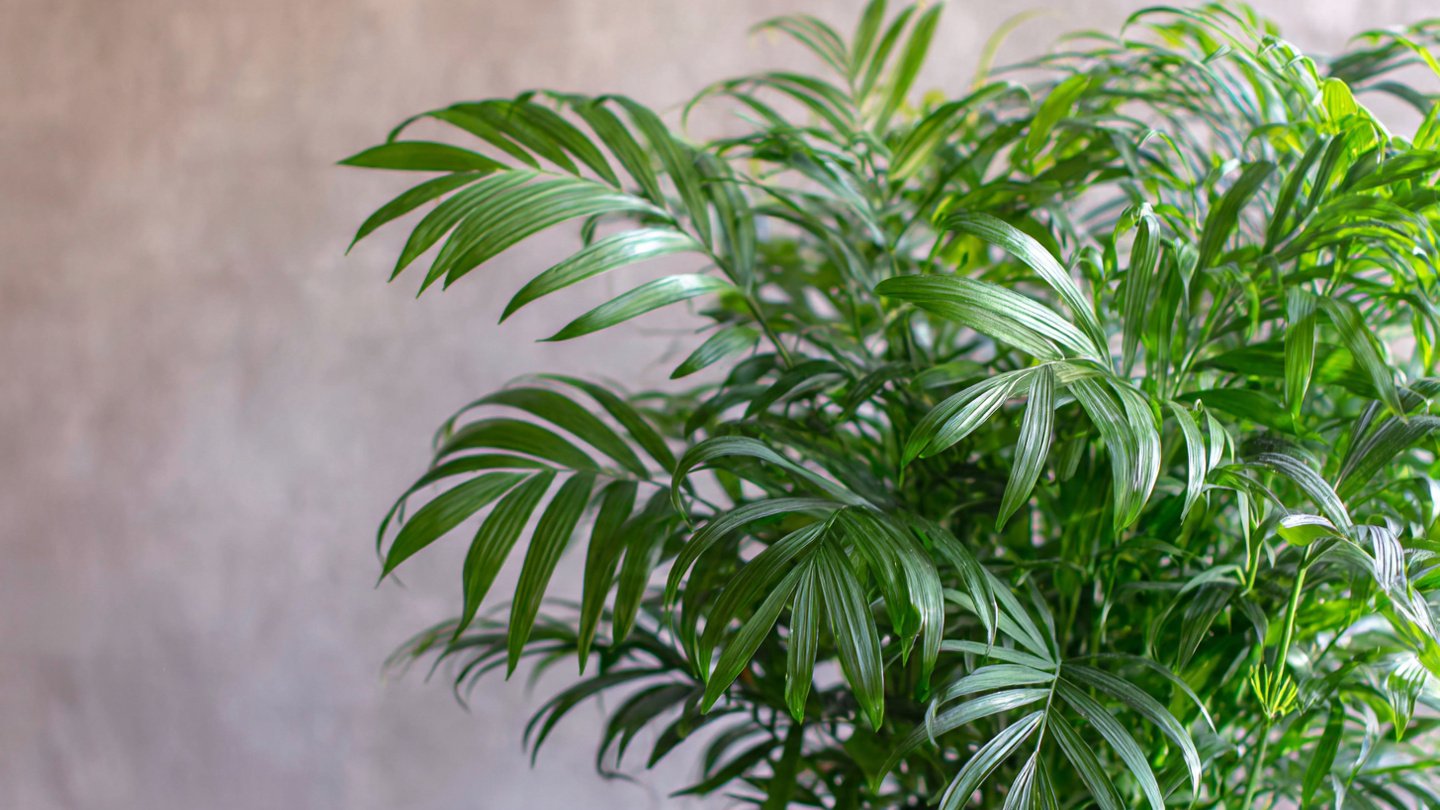
The parlor palm is one of the most popular indoor plants due to its elegant fronds, low-maintenance nature, and ability to thrive in low-light conditions. Known scientifically as Chamaedorea elegans, this tropical plant has become a staple in homes and offices where bright light is limited. Despite its reputation as a shade-tolerant plant, successfully growing a parlor palm in shady environments requires careful attention to watering, soil, humidity, and pest management. By understanding the plant’s needs and employing effective strategies, you can maintain a healthy, thriving parlor palm that adds a touch of greenery to any space.
Understanding Parlor Palm Growth Habits
Parlor palms are naturally slow-growing, compact palms that can reach several feet in height over time. They produce slender, feather-like fronds that arch gracefully, creating a tropical appearance without overwhelming small spaces. Their low-light tolerance makes them ideal for interiors with minimal natural sunlight, such as north-facing rooms, hallways, and offices.
While they are shade-tolerant, parlor palms still require indirect light to grow optimally. Completely dark locations will slow growth and reduce frond production. Recognizing the plant’s natural growth habits helps gardeners provide the conditions it needs to remain healthy in low-light environments.
Choosing the Right Location
Selecting the proper location is the first step in successfully growing a parlor palm in shade. Ideally, the plant should be placed where it receives filtered or indirect light, even if bright sunlight is not available. North-facing windows, shaded corners, or areas with bright artificial light are suitable options.
Avoid placing the parlor palm in direct sunlight, as this can scorch the fronds. Similarly, avoid areas with very dark conditions, as insufficient light will result in slow growth, yellowing leaves, and weak fronds. A balance between minimal natural light and artificial lighting is often the key to healthy growth.
Using Artificial Lighting in Low-Light Spaces
In extremely shady environments, supplementing with artificial light can improve growth and vigor. LED or fluorescent grow lights provide the necessary spectrum of light for photosynthesis without overheating the plant.
Position lights approximately twelve to eighteen inches above the parlor palm and provide ten to twelve hours of light per day. This mimics natural daylight cycles and encourages the production of lush fronds even in spaces with limited windows.
Artificial lighting is particularly beneficial in offices or rooms with no direct sunlight. It ensures the plant maintains its green color, retains compact growth, and continues producing new fronds throughout the year.
Selecting Suitable Containers and Soil
Proper soil and container choice are critical for parlor palms in shady environments. The soil must be well-draining to prevent root rot, a common problem for palms grown indoors. A high-quality potting mix formulated for palms or houseplants works best. Adding perlite or sand improves drainage and prevents compaction.
Choose a container with drainage holes to allow excess water to escape. Shallow containers may require more frequent watering, while deep pots provide stability for growing fronds. Using a slightly larger container than the root ball helps prevent the plant from becoming root-bound while supporting moderate growth.
Watering Practices for Shade-Tolerant Palms
Watering is one of the most important factors when growing a parlor palm in low-light conditions. Overwatering is a common mistake that leads to yellowing fronds and root rot, especially since shady environments slow soil evaporation. Underwatering, on the other hand, causes brown leaf tips and stunted growth.
Allow the top one to two inches of soil to dry between waterings. Water thoroughly, ensuring excess water drains from the bottom of the pot. Reduce watering frequency in winter when growth slows, but avoid letting the soil dry out completely. Maintaining consistent moisture without waterlogging creates ideal conditions for a parlor palm.
Maintaining Humidity Levels
Parlor palms thrive in moderate to high humidity, which can be challenging in indoor, shady environments. Dry indoor air, especially during winter, can cause brown tips and leaf curling. Increasing humidity around the plant promotes healthy fronds and reduces stress.
Methods to improve humidity include using a room humidifier, placing the plant on a tray filled with water and pebbles, or grouping it with other plants to create a microenvironment. Avoid misting directly onto the leaves too frequently, as this can encourage fungal growth.
Maintaining stable humidity levels supports continuous growth and enhances the plant’s natural tropical appearance.
Fertilization for Low-Light Growth
Parlor palms in shady environments require light feeding to maintain health. Over-fertilizing can damage roots and encourage excessive growth that the limited light cannot support. Use a balanced, water-soluble houseplant fertilizer once every four to six weeks during the growing season (spring and summer).
Reduce or stop fertilization in fall and winter when growth slows. Organic fertilizers, such as diluted compost tea, are also suitable for gentle nutrition. Proper feeding encourages new frond production and maintains deep green foliage without stressing the plant.
Pruning and Maintenance
Regular pruning is essential to maintain the parlor palm’s appearance in low-light areas. Remove yellow, brown, or damaged fronds by cutting them close to the base of the plant. This not only improves aesthetics but also directs energy to new growth.
Avoid removing healthy fronds, as the plant’s slow growth means it takes time to replace them. Light trimming encourages the production of compact, bushy growth, which is especially important in shaded environments where growth may otherwise become sparse.
Managing Pests in Shady Conditions
Shady, indoor environments can make parlor palms more susceptible to pests such as spider mites, mealybugs, and scale. Regular inspection is key to early detection and treatment. Look for discolored or speckled leaves, sticky residue, or small webbing, which are common signs of pest infestation.
Treatment options include insecticidal soap, neem oil, or gently wiping leaves with a damp cloth. Maintaining good air circulation, avoiding overwatering, and removing dead leaves can also reduce pest pressure.
Healthy plants grown in proper soil and light conditions are naturally more resilient to pests and diseases.
Temperature Considerations
Parlor palms prefer moderate indoor temperatures between sixty-five and seventy-five degrees Fahrenheit. Extreme temperature fluctuations, drafts, or proximity to heating and cooling vents can stress the plant and reduce frond development.
Shady indoor environments often experience stable temperatures, which benefits the parlor palm. Avoid placing the plant near cold windows during winter or directly in line with air vents to minimize stress.
Encouraging Growth in Limited Light
Even in shade, there are strategies to encourage parlor palms to produce healthy, continuous fronds. Rotate the plant periodically to ensure all sides receive equal light exposure. This prevents uneven growth and leaning toward the light source.
Remove any competing plants or objects that block light from reaching the palm. Slight pruning of neighboring plants or relocating the parlor palm to a brighter corner can improve growth without introducing direct sunlight.
Combining consistent care, proper watering, and supplemental lighting helps maintain vigorous fronds even in shaded spaces.
Container Size and Repotting
Parlor palms are slow-growing, but periodic repotting is beneficial for maintaining health. Repot every two to three years, choosing a pot slightly larger than the current root ball. This allows roots room to expand without creating excessive soil moisture that can lead to rot.
Repotting provides an opportunity to refresh soil, improve drainage, and check root health. Avoid excessively large containers, as this can retain too much water and hinder growth in low-light conditions.
Aesthetic and Functional Benefits
Parlor palms are excellent choices for indoor spaces with limited natural light. Their lush, evergreen fronds create a calming, tropical atmosphere and improve air quality. Additionally, they are versatile, working well in corners, entryways, offices, and living rooms.
By following best care practices in shady environments, parlor palms maintain their ornamental value, enhance interiors, and provide a long-lasting, low-maintenance addition to indoor greenery.
Conclusion
Successfully growing a parlor palm in shady environments requires understanding the plant’s specific needs and providing consistent care. Key strategies include selecting an appropriate location with filtered light, maintaining proper watering and humidity, using well-draining soil, and supplying gentle fertilization. Regular pruning, pest management, and careful temperature control support continuous growth and healthy fronds.
Supplemental lighting and periodic rotation help compensate for limited natural light, while proper container choice and occasional repotting ensure root health. By implementing these strategies, gardeners can cultivate parlor palms that thrive in low-light conditions, producing lush, elegant fronds that enhance indoor spaces for years to come.
With patience, observation, and consistent care, parlor palms can flourish in shaded rooms, offering both beauty and a sense of tropical tranquility. Understanding the balance between light, moisture, and nutrition is the key to maintaining healthy, vibrant palms even in the most challenging low-light environments.