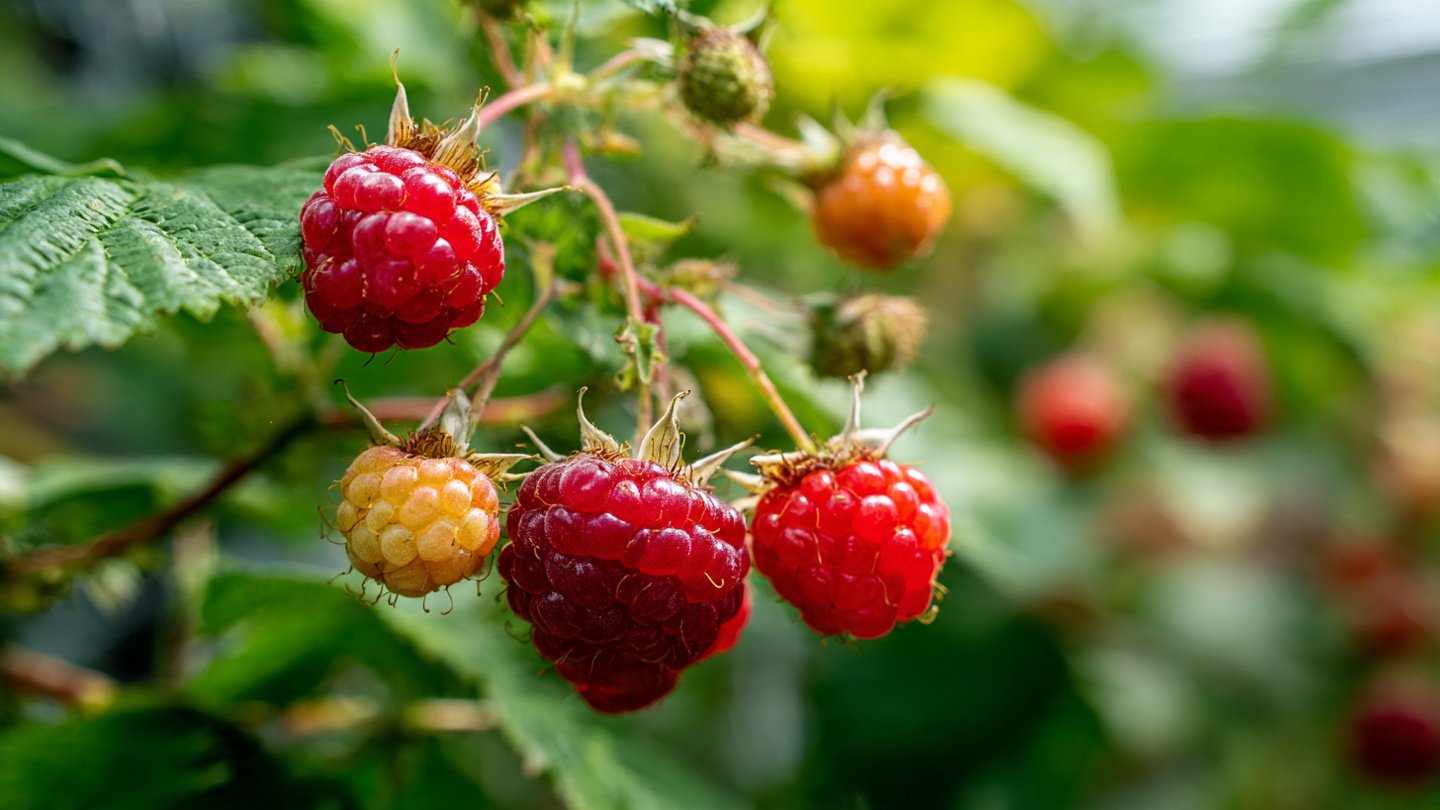
Berry gardening is one of the most rewarding activities for garden enthusiasts. Few pleasures rival the joy of plucking ripe, juicy berries straight from your own garden. However, many gardeners are often frustrated by the slow pace of berry fruiting, waiting months or even years for their plants to yield a fruitful harvest. The good news is that by adopting specific techniques, it is possible to accelerate berry production and enjoy a more bountiful garden in less time. This quick guide explores essential strategies to promote rapid berry fruiting, focusing on preparation, plant selection, environmental control, and innovative gardening practices.
Choosing the Right Berry Varieties
The foundation of rapid berry fruiting starts with selecting the right varieties. Not all berry species or cultivars fruit quickly, and choosing the correct ones can significantly shorten the waiting period. For instance, many modern hybrid varieties of strawberries, raspberries, and blueberries are specifically bred for early and abundant fruiting.
- Strawberries: Opt for everbearing or day-neutral varieties such as ‘Albion’ or ‘Seascape,’ which produce fruit continuously throughout the growing season.
- Raspberries: Summer-bearing types produce one harvest per year, but everbearing types can fruit twice, effectively extending the yield season.
- Blueberries: Varieties like ‘Early Blue’ and ‘Duke’ are known for early fruiting and rapid maturity.
Selecting disease-resistant cultivars also helps, as healthy plants naturally produce fruit faster than stressed or infected ones.
Preparing the Soil for Optimal Growth
Berry plants are sensitive to soil conditions, and proper preparation is essential for rapid fruiting. Most berries prefer well-draining, slightly acidic soil with high organic matter. Testing your soil before planting helps determine its pH, nutrient levels, and texture, allowing you to amend it for optimal growth.
- pH Adjustment: Blueberries thrive in acidic soil with a pH of 4.5–5.5, while strawberries and raspberries prefer a pH of 5.5–6.5. Use sulfur to lower pH or lime to raise it accordingly.
- Organic Matter: Incorporate compost or well-rotted manure to improve soil fertility, water retention, and microbial activity. Healthy soil encourages vigorous plant growth, which directly correlates with faster fruiting.
- Drainage: Raised beds or mounded rows can help prevent waterlogging, which can stunt growth and delay fruiting.
By investing time in soil preparation, gardeners lay the groundwork for strong plants capable of rapid berry production.
Implementing Proper Planting Techniques
How and when you plant your berries influences the speed of fruiting. Planting during the right season, spacing plants correctly, and using proper planting depth all contribute to a quicker harvest.
- Timing: Early spring is ideal for most berries, as it allows plants to establish before peak growing conditions.
- Spacing: Overcrowding leads to competition for nutrients and sunlight, slowing growth. Follow recommended spacing guidelines—generally 12–18 inches for strawberries, 24–36 inches for raspberries, and 4–6 feet for blueberries.
- Planting Depth: Plant crowns of strawberries just above soil level and raspberry crowns slightly below to encourage root growth and new shoot development.
Proper planting ensures plants can establish quickly, which is critical for accelerating the onset of fruiting.
Leveraging Fertilization and Nutrient Management
Balanced nutrition is key to rapid berry production. While over-fertilization can harm plants, strategic nutrient management supports vigorous growth and early flowering, setting the stage for fruiting.
- Nitrogen: Promotes leafy growth but excessive amounts can delay flowering. Use moderate levels during early growth stages.
- Phosphorus: Encourages root development, which is essential for young plants to establish quickly.
- Potassium: Supports flowering and fruit development, directly influencing the speed and quality of berry production.
- Micronutrients: Elements like magnesium, iron, and zinc enhance overall plant health, indirectly promoting fruiting.
Slow-release fertilizers and organic amendments like compost tea or fish emulsion can provide steady nutrients over time, reducing stress on plants and supporting faster fruiting.
Utilizing Pruning and Training Techniques
Pruning and training are essential for many berry types to maximize light penetration, air circulation, and energy allocation to fruit. Correct pruning encourages the plant to focus resources on fruit rather than excessive vegetative growth.
- Strawberries: Remove runners in the first year to allow the plant to concentrate energy on fruiting. Trim old leaves after harvest to stimulate new growth.
- Raspberries: Summer-bearing raspberries should have fruited canes removed after harvest, while everbearing varieties can benefit from selective pruning to encourage a second crop.
- Blueberries: Prune older wood to stimulate new shoots, which produce more abundant flowers and fruit.
Training berries on trellises or supports can also prevent overcrowding, reduce disease risk, and improve fruit exposure to sunlight, all of which speed up fruit production.
Environmental Enhancements for Faster Fruiting
Berry plants are highly responsive to environmental conditions. By optimizing temperature, light, and moisture, gardeners can accelerate flowering and fruiting.
- Sunlight: Most berries require full sun (6–8 hours daily). Insufficient light delays flowering and reduces fruit quality.
- Temperature Control: Early-season warming using row covers or high tunnels can encourage earlier flowering. Conversely, shade cloth can prevent heat stress in hot climates.
- Watering: Consistent moisture is critical. Drip irrigation or soaker hoses ensure roots remain hydrated without waterlogging, promoting steady growth and fruit set.
- Mulching: Organic mulches regulate soil temperature, retain moisture, suppress weeds, and protect roots, indirectly boosting early fruiting.
By carefully managing environmental conditions, gardeners can manipulate growth cycles to shorten the time to harvest.
Encouraging Pollination and Fruit Set
Pollination is the key to turning flowers into fruit. Ensuring adequate pollination can significantly reduce the time it takes for berries to set.
- Pollinator Attraction: Plant flowers nearby that attract bees and other pollinators.
- Hand Pollination: In smaller gardens or controlled environments, gently transferring pollen between flowers can improve fruit set and speed up berry development.
- Companion Planting: Herbs like basil, borage, and lavender can attract beneficial insects and enhance pollination efficiency.
Stronger fruit set translates into faster development and an earlier harvest.
Advanced Techniques for Rapid Fruiting
For gardeners seeking to push the boundaries of berry production, there are advanced techniques that can further accelerate fruiting:
- Tissue Culture Seedlings: Using nursery-propagated tissue culture plants can yield faster fruiting than traditional seed-grown plants.
- High-Density Planting: In controlled conditions, planting berries closer together while managing pruning and airflow can increase overall yield in less time.
- Grafting: Some berry species can be grafted onto vigorous rootstocks, promoting quicker establishment and early fruiting.
- Hydroponics and Container Systems: Controlled nutrient delivery and environmental conditions allow for year-round growth, often shortening the time to fruit.
These methods are particularly useful for serious garden enthusiasts aiming for rapid results or for small-space gardeners seeking maximum efficiency.
Maintaining Plant Health for Consistent Fruiting
Even with all the above techniques, plant health remains paramount. Disease, pests, or environmental stress can derail rapid fruiting efforts. Regular monitoring and preventive measures ensure plants remain on track for early and abundant harvests.
- Pest Management: Aphids, spider mites, and berry beetles can damage flowers and fruit. Employ integrated pest management strategies, including natural predators and targeted treatments.
- Disease Prevention: Fungal diseases like powdery mildew or botrytis can slow fruiting. Ensure proper spacing, airflow, and use disease-resistant varieties.
- Stress Reduction: Avoid sudden changes in watering, fertilization, or temperature, as stress delays flowering and fruit set.
Consistent care ensures that all other efforts in accelerating fruiting are effective.
Conclusion
Rapid berry fruiting is an achievable goal for garden enthusiasts who are willing to combine proper plant selection, soil preparation, nutrient management, pruning, environmental control, and pollination strategies. By understanding the specific needs of each berry species and applying the techniques discussed in this guide, gardeners can enjoy earlier and more abundant harvests. Whether cultivating strawberries, raspberries, blueberries, or a combination, these methods provide the roadmap to transform a patient garden into a thriving, fruit-bearing paradise.
For enthusiasts, the satisfaction of harvesting berries quickly is not just about efficiency—it’s about maximizing the joy of gardening. With careful planning and attentive care, rapid berry fruiting becomes a reality, turning each season into a celebration of fresh, vibrant produce.