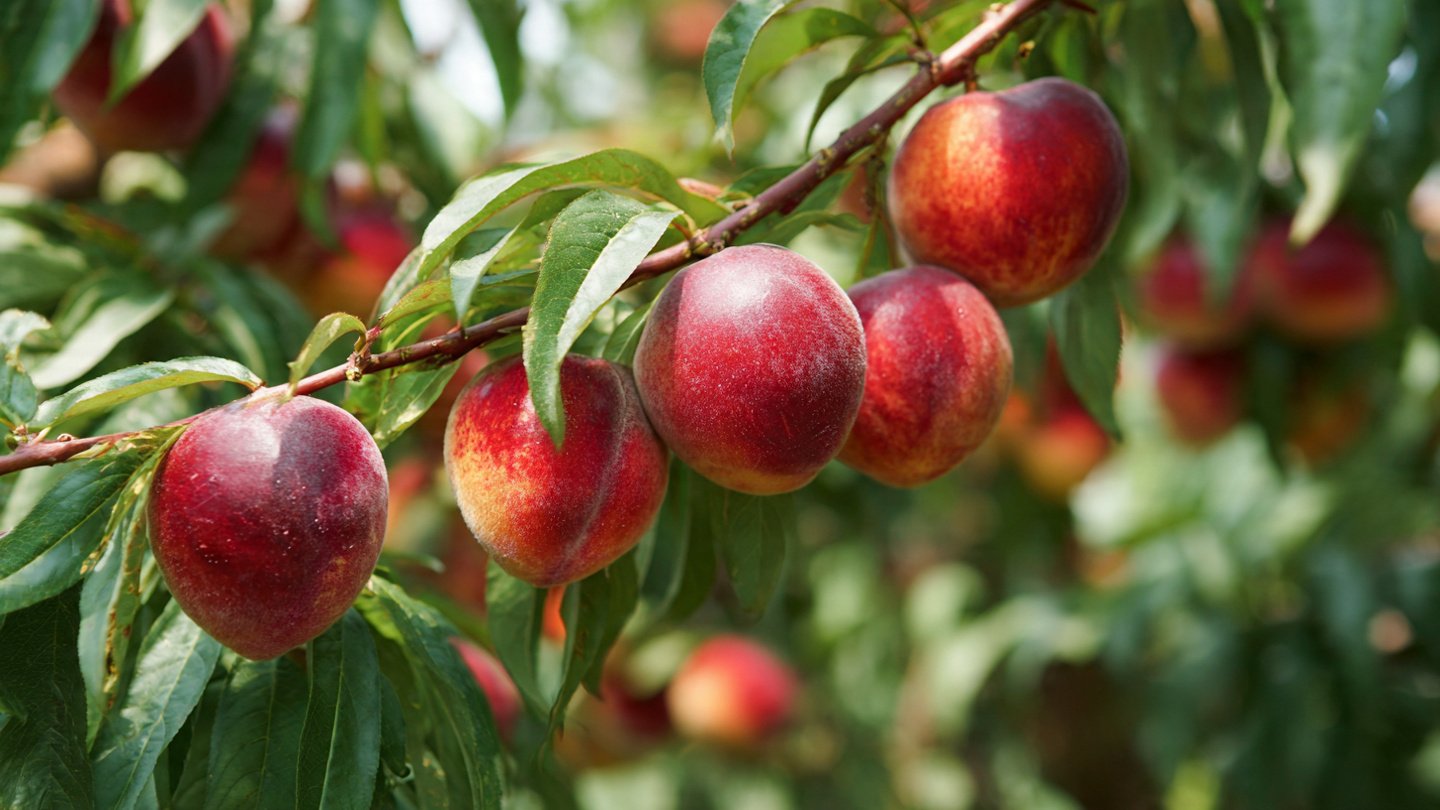
Peaches are a beloved fruit, prized for their sweet, juicy flesh and delightful aroma. Early ripening peach varieties are particularly attractive to gardeners and commercial growers alike because they provide an early harvest, allowing for fresh peaches weeks before standard varieties reach maturity. Successfully cultivating these peaches requires careful planning, the right selection of varieties, proper planting techniques, and attentive care throughout the growing season. This guide provides a comprehensive approach to growing early ripening peaches for maximum yield and quality.
Selecting the Right Early Ripening Peach Varieties
The first step in cultivating early peaches is choosing varieties that are suited to your climate and soil. Popular early ripening varieties include ‘Early Elberta,’ ‘Contender,’ ‘Flordaprince,’ and ‘Babe’ peaches. These varieties are bred to mature quickly, usually in late spring or early summer, depending on the region.
When selecting a variety, consider your local climate conditions. Early peaches thrive in areas with mild winters and warm, sunny springs. Cold-hardy varieties, such as ‘Contender,’ are ideal for regions that experience occasional late frosts. Additionally, consider disease resistance; some early ripening peaches are prone to peach leaf curl or brown rot. Choosing resistant varieties reduces maintenance needs and improves fruit quality.
Choosing the Ideal Planting Site
Early ripening peaches require full sun to achieve optimal growth and fruit development. Select a location that receives at least six to eight hours of direct sunlight daily. Sunlight promotes photosynthesis, enhances sugar accumulation in the fruit, and strengthens the tree.
Soil quality is another critical factor. Peaches prefer well-draining sandy loam soils with a slightly acidic to neutral pH, between 6.0 and 7.0. Avoid low-lying areas prone to waterlogging, as excessive moisture can cause root rot. Raised beds or sloped areas can improve drainage and airflow, reducing disease risk. Additionally, good air circulation helps protect blossoms from late spring frosts, which can damage early blooms.
Preparing the Soil and Planting
Before planting, prepare the soil by removing weeds, rocks, and debris. Loosen the soil to a depth of at least 12–15 inches and incorporate organic matter such as compost or aged manure. This enriches the soil with nutrients and improves moisture retention while maintaining proper drainage.
When planting young trees, dig a hole twice as wide as the root ball and slightly deeper than the container depth. Position the tree so that the graft union, if present, is above the soil line. Backfill with soil, firming it gently around the roots to eliminate air pockets. Water thoroughly to help the soil settle and support early root establishment.
Proper Spacing and Pruning
Early ripening peach trees require adequate spacing to maximize sunlight exposure and air circulation. Standard trees should be planted 15 to 20 feet apart, while dwarf varieties require 10 to 12 feet spacing. Proper spacing reduces competition for nutrients and minimizes the risk of fungal diseases.
Pruning is essential for maintaining tree structure, encouraging healthy growth, and promoting fruiting. During the first few years, focus on establishing a strong scaffold structure. Remove any crossing, dead, or weak branches and aim for an open-center shape, which allows sunlight to penetrate the canopy. Annual pruning also controls tree height, making harvest easier and enhancing fruit quality.
Managing Water and Irrigation
Consistent and appropriate watering is critical for early ripening peaches, especially during flowering, fruit set, and fruit development. Young trees require regular watering to establish strong roots, while mature trees need deeper, less frequent irrigation. Overwatering can lead to root rot and nutrient leaching, whereas under-watering stresses the tree and reduces fruit size and quality.
Drip irrigation or soaker hoses are ideal for providing even moisture directly to the root zone. Mulching around the base of the tree helps retain soil moisture, regulate temperature, and suppress weeds. During dry spells, monitor soil moisture closely to ensure the tree remains adequately hydrated without waterlogging.
Fertilization and Nutrient Management
Peach trees benefit from balanced nutrition to support growth and fruit production. Nitrogen promotes leafy growth, phosphorus supports root development, and potassium is essential for fruit quality and sugar accumulation. Apply fertilizer based on soil tests, as nutrient requirements vary by soil conditions and tree age.
For young trees, apply a balanced fertilizer in early spring before bud break. Mature trees benefit from a split fertilization strategy: one application during early spring and another after fruit set. Avoid excessive nitrogen, as this can encourage excessive vegetative growth at the expense of fruiting. Incorporating organic matter, such as compost or well-rotted manure, improves soil structure and provides slow-release nutrients.
Pest and Disease Management
Early ripening peaches are susceptible to pests and diseases that can affect yield and fruit quality. Common pests include peach tree borers, aphids, and spider mites. Regular inspection and early intervention prevent infestations from spreading. Organic controls, such as neem oil, insecticidal soaps, or beneficial insects, can be effective for managing pests.
Diseases such as peach leaf curl, brown rot, and bacterial spot can impact early ripening varieties. Fungicidal sprays, proper pruning, and maintaining good airflow help reduce disease incidence. Planting resistant varieties and practicing sanitation, such as removing fallen leaves and diseased fruit, further protects the trees.
Flower and Fruit Set Optimization
For early peaches, flower and fruit set are critical to achieving a bountiful harvest. Late frosts can damage blossoms, reducing yield. Planting on slightly elevated sites and protecting blooms with frost cloths during cold nights helps prevent frost damage.
Thinning fruit clusters after fruit set improves fruit size, quality, and sugar concentration. Remove smaller, weak, or poorly positioned fruits, leaving one fruit per cluster. Thinning reduces stress on the tree and ensures that remaining fruits develop fully, resulting in sweeter, juicier peaches.
Harvesting Early Peaches
Early ripening peaches should be harvested when they reach full color, slightly soft to the touch, and emit a fragrant aroma. Unlike late varieties, early peaches are more delicate and should be handled carefully to avoid bruising. Harvest in the morning when temperatures are cooler to maintain freshness.
Proper harvesting practices not only enhance fruit quality but also encourage subsequent flowering and fruiting. Promptly remove fallen or overripe fruit to reduce pest attraction and maintain tree health. Storing harvested peaches in cool conditions extends shelf life while preserving flavor and sweetness.
Extending the Growing Season
Using early ripening peach varieties allows gardeners to enjoy fresh fruit sooner, but additional techniques can further optimize production. Protective measures such as row covers, high tunnels, or micro-sprinkler frost protection help extend the growing season and shield blooms from unpredictable weather.
Combining early varieties with staggered planting or companion planting strategies can provide continuous harvests throughout the season. Regular monitoring of tree health and environmental conditions ensures that the trees remain productive and resilient.
Benefits of Growing Early Ripening Peaches
Growing early ripening peach varieties provides several advantages. Home gardeners enjoy fresh peaches weeks before standard varieties, satisfying the desire for early-season fruit. Early harvests can also reduce pest and disease pressure, as the trees produce before certain pests reach peak populations.
For commercial growers, early peaches command premium market prices due to their scarcity. High-quality early peaches enhance profitability while maintaining consumer satisfaction. Additionally, cultivating these varieties offers the joy of hands-on gardening and the satisfaction of producing homegrown fruit.
Conclusion
Successfully cultivating early ripening peach varieties requires careful planning, the right site selection, proper planting techniques, attentive pruning, and consistent care. Choosing disease-resistant and climate-suited varieties, providing adequate sunlight and water, and implementing pest and disease management practices are essential for maximizing yield and fruit quality.
Thinning fruits, protecting blossoms from frost, and harvesting at peak ripeness ensures that each tree produces sweet, juicy peaches. With patience and dedication, early ripening peach varieties can provide a bountiful harvest that delights the palate, enhances your garden’s beauty, and rewards you with fresh, homegrown fruit. By following these practices, gardeners can enjoy the satisfaction of an early peach harvest year after year, turning their garden into a productive and thriving oasis.