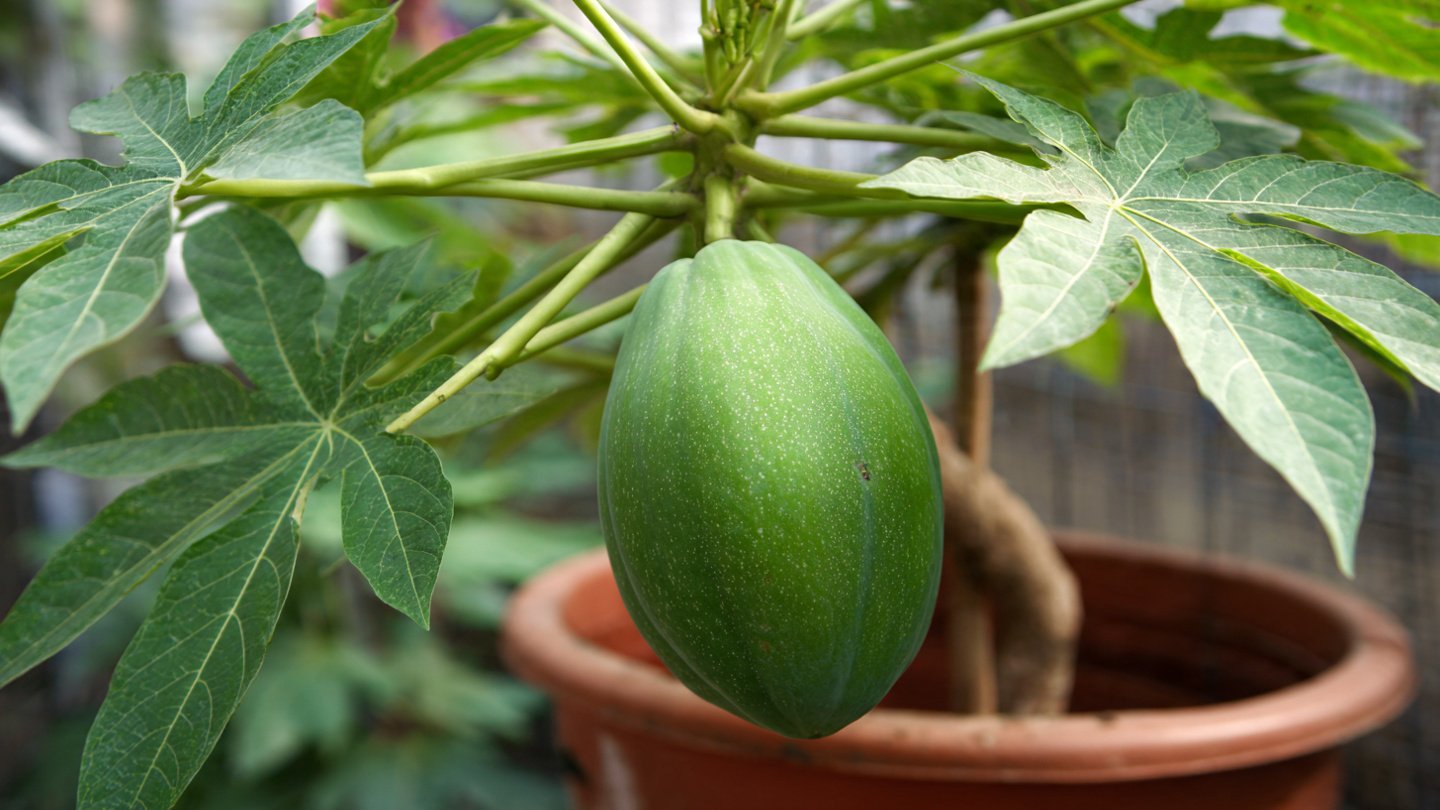
Papaya is a tropical fruit known for its sweet, juicy flesh and numerous health benefits. Rich in vitamins A, C, and E, papaya also contains digestive enzymes like papain that aid in digestion. Traditionally, papaya is grown in open gardens or farms where it has ample space to develop its long stem and large leaves. However, with urban gardening and limited space, beginners might wonder whether it’s possible to grow papaya in a pot. The good news is that with proper care and planning, papaya can thrive in containers, producing healthy plants and even fruit. This guide provides simple, beginner-friendly steps for cultivating papaya in a pot without any complications.
Why Grow Papaya in a Pot?
Growing papaya in a pot offers several advantages, especially for beginners:
- Space Flexibility: For urban dwellers or apartment gardeners, a pot allows papaya to be grown on balconies, terraces, or patios without a traditional garden.
- Control Over Soil Quality: Containers enable gardeners to provide the ideal nutrient-rich soil without worrying about poor ground conditions or contamination.
- Mobility: Potted papaya plants can be moved to ensure maximum sunlight, protect them from harsh weather, or relocate them during extreme temperature changes.
- Pest and Disease Management: Growing in pots reduces the risk of soil-borne diseases and limits pest infestations compared to planting in open ground.
Choosing the Right Pot
Selecting the appropriate container is crucial for papaya growth. Key considerations include:
- Size: Papaya plants have extensive root systems. A pot should be at least 15–20 gallons (approximately 60–80 liters) for young plants, and larger pots may be needed as the plant grows.
- Material: Sturdy plastic, ceramic, or fiberglass pots are ideal because they retain soil and water while being lightweight enough to move if necessary. Avoid thin, easily cracked containers.
- Drainage: Proper drainage holes are essential. Papaya roots are prone to rot in waterlogged soil, so elevate the pot slightly to allow excess water to drain.
Selecting Papaya Seeds or Seedlings
Beginners have two options: starting from seeds or purchasing young seedlings.
- Seeds: Papaya seeds are easy to obtain and germinate quickly. Use fresh seeds from ripe papaya fruit for the best results. Remove the gelatinous coating, rinse, and dry them for 1–2 days before sowing.
- Seedlings: Buying nursery-grown seedlings saves time and reduces the risk of germination failure. Choose healthy plants with strong stems and bright green leaves.
Preparing the Soil Mix
Papaya plants require nutrient-rich, well-draining soil. A good potting mix for papaya includes:
- Garden Soil: Forms the base of the mix.
- Compost or Organic Matter: Supplies essential nutrients and promotes healthy root growth.
- Perlite or Sand: Ensures proper drainage and prevents soil compaction.
- Balanced Fertilizer: Incorporate slow-release fertilizer to maintain nutrient availability for several months.
Mix these components thoroughly to provide a fertile environment for papaya roots.
Planting Papaya in a Pot
Planting is a simple process, but attention to detail ensures strong growth:
- Filling the Pot: Fill the pot two-thirds full with prepared soil mix.
- Sowing Seeds: Plant seeds about half an inch deep. For multiple seeds, thin to the strongest seedling after germination.
- Transplanting Seedlings: If using nursery seedlings, dig a small hole in the soil, gently place the plant, and cover the roots without burying the stem too deeply. Water thoroughly after planting.
- Spacing: If planting multiple seedlings in a single large container, maintain adequate space to prevent overcrowding.
Watering and Moisture Management
Papaya plants need consistent moisture to thrive, but overwatering can cause root rot.
- Frequency: Water the plant when the top inch of soil feels dry.
- Method: Water slowly at the base of the stem to ensure deep root hydration. Avoid wetting the foliage excessively.
- Drainage Check: Ensure water drains freely from the bottom to prevent waterlogging.
Sunlight Requirements
Papaya is a sun-loving plant and requires a minimum of 6–8 hours of direct sunlight daily. For indoor or balcony cultivation:
- Place the pot in the sunniest spot available.
- Rotate the pot occasionally to ensure even growth on all sides.
- If sunlight is insufficient, consider using grow lights for 4–6 hours daily to supplement natural light.
Fertilization and Nutrient Support
Potted papaya plants depend entirely on the soil mix and added nutrients for growth. Fertilization is essential for strong stems, lush foliage, and fruit development:
- Balanced Fertilizer: Use NPK (nitrogen, phosphorus, potassium) fertilizers in a 10:10:10 ratio.
- Frequency: Apply slow-release fertilizer every 2–3 months.
- Liquid Fertilizers: Supplement with liquid organic fertilizers such as fish emulsion or compost tea every 4–6 weeks to boost growth.
- Micronutrients: Papaya benefits from calcium and magnesium, which can be added through dolomite lime or Epsom salts if needed.
Pruning and Support
Although papaya plants grow upright, potted plants can benefit from some care:
- Pruning: Remove dead, yellowing, or damaged leaves to promote airflow and reduce disease risk.
- Support: Use a stake or small trellis for young plants to prevent bending or damage from wind. As the plant matures, the thick stem typically supports itself.
Pollination and Flowering
Papaya plants can be male, female, or hermaphrodite. Hermaphrodite plants are ideal for home cultivation as they can self-pollinate and produce fruit.
- Outdoor Pollination: Insects like bees assist in transferring pollen.
- Indoor Pollination: For potted plants indoors, hand pollination can be done using a small brush or cotton swab to transfer pollen from male to female flowers.
Harvesting Papaya
Papayas grown in pots can produce fruit within 6–12 months, depending on the variety and growing conditions.
- Signs of Ripeness: Fruit changes from dark green to yellowish-orange, emits a sweet aroma, and softens slightly when gently pressed.
- Harvesting Technique: Cut the fruit carefully using a sharp knife, leaving a small portion of the stem attached. Avoid pulling the fruit, as this can damage the plant.
- Frequency: Harvest regularly to encourage continuous fruit production.
Common Challenges and Solutions
Even with simple steps, beginners may encounter challenges:
- Root Rot: Caused by overwatering. Ensure proper drainage and avoid excessive watering.
- Leaf Yellowing: May result from nutrient deficiency. Supplement with balanced fertilizer and micronutrients.
- Pest Infestation: Spider mites, aphids, and mealybugs can affect potted papaya. Use insecticidal soap or neem oil for safe control.
- Limited Fruit Size: Insufficient sunlight or crowded pots can reduce fruit size. Ensure ample light and space for optimal growth.
Benefits of Growing Papaya in Pots
Growing papaya in pots offers several advantages for beginners:
- Beginner-Friendly: Requires minimal space and straightforward care routines.
- Urban-Friendly: Perfect for balconies, terraces, or patios without a garden.
- Control Over Growth Conditions: Reduced risk of soil-borne diseases and pests.
- Sustainable Gardening: Promotes homegrown, pesticide-free fruit with minimal resources.
- Aesthetic Value: Papaya plants with their large, tropical leaves add beauty to any container garden.
Tips for Success
- Choose dwarf or compact papaya varieties suited for container growth.
- Ensure consistent watering and fertilization schedules.
- Rotate pots regularly to maintain even sunlight exposure.
- Monitor for pests and diseases regularly and act quickly.
- Be patient — papaya is a tropical plant and may require months to mature and fruit, but consistent care pays off.
Conclusion
Growing papaya in a pot is a simple and effective way for beginners to enjoy fresh, homegrown fruit without the complications of a traditional garden. By selecting the right pot, preparing nutrient-rich soil, providing consistent water and sunlight, and practicing proper fertilization and care, even novice gardeners can achieve healthy, fruit-bearing papaya plants.
The method offers flexibility, space efficiency, and control over growing conditions, making it ideal for urban gardeners and those with limited outdoor space. With patience and regular attention, potted papaya can thrive, providing delicious, nutrient-rich fruit right at home. By following these simple steps, beginners can successfully cultivate papaya in a pot and enjoy the satisfaction of harvesting their very own tropical fruit.