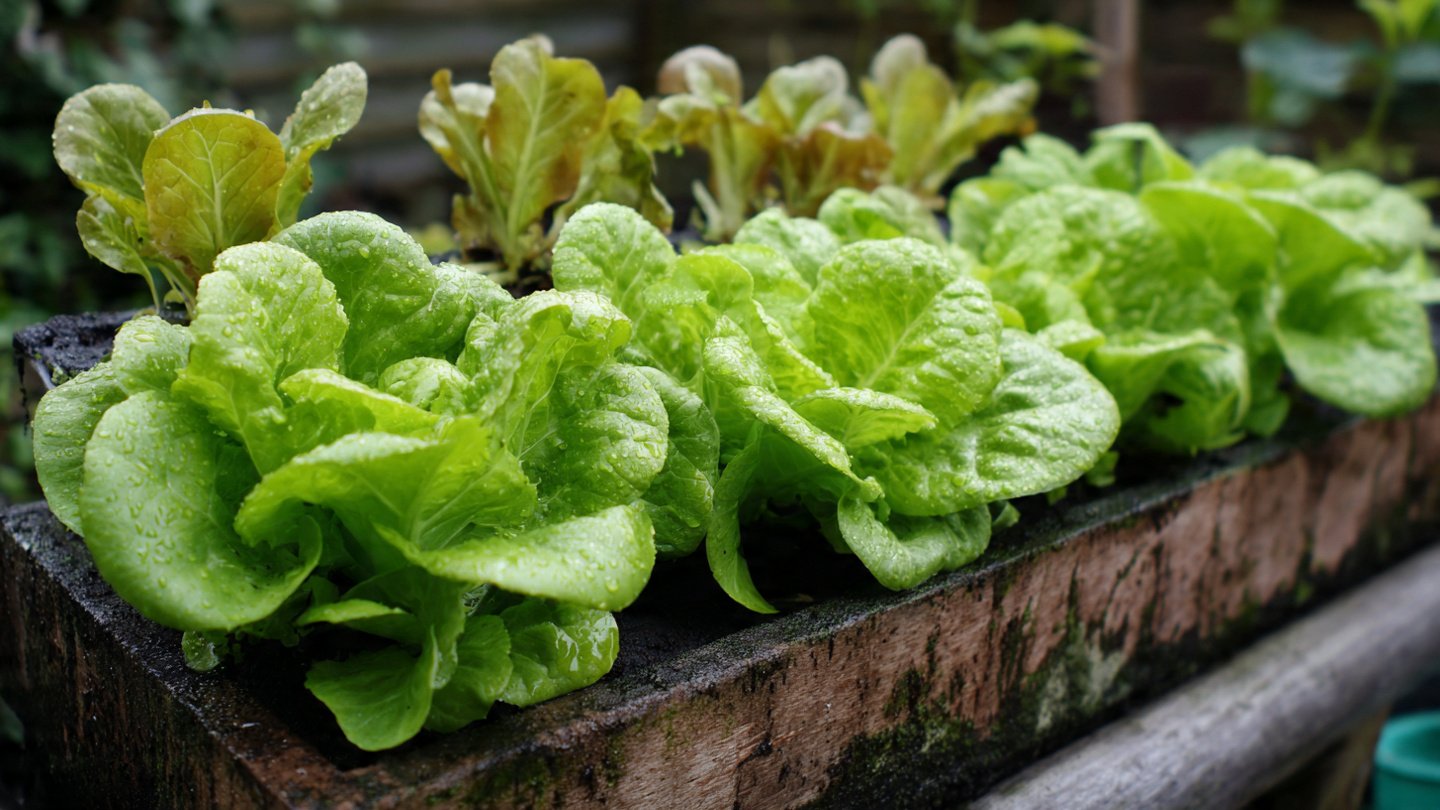
Growing lettuce in the summer can feel like a daunting task. The scorching sun, high temperatures, and unpredictable weather often stress these cool-season crops, causing them to bolt, become bitter, or produce small, tough leaves. However, not every garden experiences full sun during the summer. Many gardeners contend with partial shade, whether from trees, fences, or buildings. While shade is often considered a limitation for vegetable gardening, it can actually provide unique advantages for growing lettuce—if you know the strategies to make the most of it.
Why Lettuce Prefers Cooler Conditions
Lettuce (Lactuca sativa) is a cool-season leafy green that thrives in mild temperatures between 60°F and 70°F (15°C–21°C). High heat can trigger a plant’s natural survival response called bolting, in which the lettuce sends up a flower stalk and produces seeds. Once bolting occurs, the leaves become bitter and tough, making them less desirable for fresh consumption.
Shade plays a crucial role here. By reducing direct sun exposure, shaded areas keep temperatures lower and maintain a more consistent growing environment. This can help prolong your lettuce harvest during the warmer months, giving you tender, flavorful leaves when other parts of your garden may be struggling.
Choosing the Right Location
Not all shade is equal. When planning your summer lettuce garden, consider these factors:
- Light Quality: Lettuce needs light to grow, even in shaded areas. Partial shade is ideal—four to six hours of indirect sunlight or filtered sunlight is usually sufficient. North-facing windows, tree canopies, or lattice structures can provide dappled shade that reduces heat without eliminating light.
- Air Circulation: Good airflow prevents humidity from accumulating around your plants, reducing the risk of fungal diseases. Avoid overly dense shade under trees where air movement is restricted.
- Soil Drainage: Shaded areas can sometimes hold more moisture due to reduced evaporation. While lettuce prefers evenly moist soil, excessive water can promote root rot. Ensure your shaded garden beds drain well and do not stay soggy.
Selecting Lettuce Varieties for Shade
Not all lettuce varieties respond equally to summer heat or shaded conditions. Choosing the right type can make your shaded garden highly productive:
- Loose-Leaf Varieties: These are particularly well-suited for partial shade. Varieties like ‘Buttercrunch,’ ‘Oakleaf,’ and ‘Red Sails’ produce tender leaves and are less prone to bolting compared to compact heads.
- Romaine and Cos Varieties: While these prefer full sun, some heat-tolerant types, such as ‘Parris Island Cos,’ perform reasonably well in filtered light.
- Baby Leaf Mixes: These allow multiple harvests by picking leaves individually. Because they require less energy than full heads, they are ideal for slower growth in shaded areas.
- Shade-Tolerant Hybrids: Modern hybrids bred for low-light conditions can thrive where traditional varieties struggle. Look for labels indicating “shade-tolerant” or “heat-resistant.”
Soil Preparation and Nutrition
Healthy soil is the foundation of any productive lettuce crop. Shaded areas often have less vigorous soil biology because sunlight is reduced, so careful preparation is essential.
- Soil Testing: Determine nutrient levels and pH. Lettuce prefers slightly acidic to neutral soil, with a pH of 6.0–7.0.
- Organic Matter: Incorporate compost or well-rotted manure to improve soil structure and nutrient content. Shaded soils may dry slowly, so organic matter also helps regulate moisture and prevent compaction.
- Fertilization: Lettuce is a leafy crop and benefits from nitrogen-rich fertilizers. In summer shade, plants grow more slowly, so a steady, balanced supply of nutrients encourages consistent leaf development without excessive stretching or legginess.
Planting Strategies for Shade
Proper planting techniques can maximize growth and minimize stress:
- Succession Planting: Staggering sowing every two to three weeks ensures a continuous harvest throughout the summer. In shaded conditions, growth may be slower, so succession planting helps fill the gap.
- Spacing: Even in shade, overcrowding reduces airflow and increases disease risk. Space loose-leaf varieties about 6–8 inches apart, and head lettuce 10–12 inches apart.
- Mulching: Apply a thin layer of straw, shredded leaves, or compost around your lettuce. Mulch helps regulate soil temperature, retain moisture, and reduce weeds—particularly useful in shaded areas where moisture retention can vary.
- Container Gardening: If your garden lacks suitable shaded beds, containers or raised boxes placed under partial shade can offer ideal conditions. Containers also allow for easy soil amendments and improved drainage.
Watering Practices in Summer Shade
Shaded areas tend to retain moisture longer than full sun gardens. While this reduces the risk of wilting, it also requires careful monitoring to avoid overwatering:
- Consistent Moisture: Lettuce requires evenly moist soil. Dry periods can stress plants and increase bitterness, while standing water encourages root diseases.
- Drip Irrigation or Soaker Hoses: These systems deliver water directly to the root zone, reducing leaf wetness and minimizing fungal problems.
- Morning Watering: Water early in the day to allow foliage to dry before evening, further preventing disease.
Controlling Pests and Diseases
Shade can create a humid microclimate favorable to pests and fungal diseases. Awareness and proactive measures are key:
- Aphids and Slugs: These pests thrive in cool, damp shade. Hand-picking slugs, using barriers, or applying organic deterrents can reduce damage. Introduce beneficial insects like ladybugs to control aphids.
- Fungal Diseases: Powdery mildew and downy mildew can appear in shaded, humid conditions. Ensure proper spacing, good air circulation, and avoid overhead watering. If needed, use organic fungicides labeled for leafy greens.
- Regular Monitoring: Inspect plants frequently, especially under dense canopy or in container gardens where conditions can fluctuate rapidly.
Harvesting for Success
Harvesting correctly encourages continued production and prevents stress:
- Baby Leaf Harvest: For loose-leaf varieties, pick individual outer leaves as needed. This promotes new growth while keeping the plant productive.
- Cut-and-Come-Again: Cutting leaves just above the crown allows the plant to regrow, extending the harvest period.
- Timing: Harvest in the morning when leaves are crisp and full of moisture. Avoid picking during hot afternoons, which can stress shaded plants as they acclimate to temperature fluctuations.
Advantages of Summer Shade for Lettuce
While gardeners often see shade as a limitation, summer shade offers several advantages for lettuce:
- Reduced Bolting: Shaded conditions keep temperatures lower, reducing the risk of premature flowering.
- Consistent Soil Moisture: Shade slows evaporation, maintaining steady moisture levels that lettuce prefers.
- Protection from Sunburn: Direct summer sun can scorch tender lettuce leaves. Shade prevents leaf damage and ensures better quality.
- Extended Growing Season: By protecting plants from heat stress, shaded gardens can allow for continuous lettuce production even during the hottest months.
Final Thoughts
Growing lettuce in summer shade may seem challenging, but with the right approach, it can be highly rewarding. By choosing shade-tolerant varieties, preparing nutrient-rich soil, using proper planting techniques, and carefully managing water, pests, and harvest timing, gardeners can enjoy fresh, tender leaves even in areas with limited sunlight.
Shade is not a limitation—it’s an opportunity to experiment with strategies that enhance lettuce growth, reduce heat stress, and produce high-quality harvests. With a bit of planning and attention, summer-shaded gardens can yield delicious, crisp, and nutritious lettuce throughout the warm months.
By understanding your environment and tailoring your gardening practices to the unique conditions of summer shade, you can ensure that your lettuce thrives even when temperatures soar and direct sunlight is scarce. With patience and consistency, shaded lettuce can be as productive—and sometimes even more flavorful—than sun-grown crops, offering a continuous supply of fresh greens for salads, sandwiches, and meals all season long.