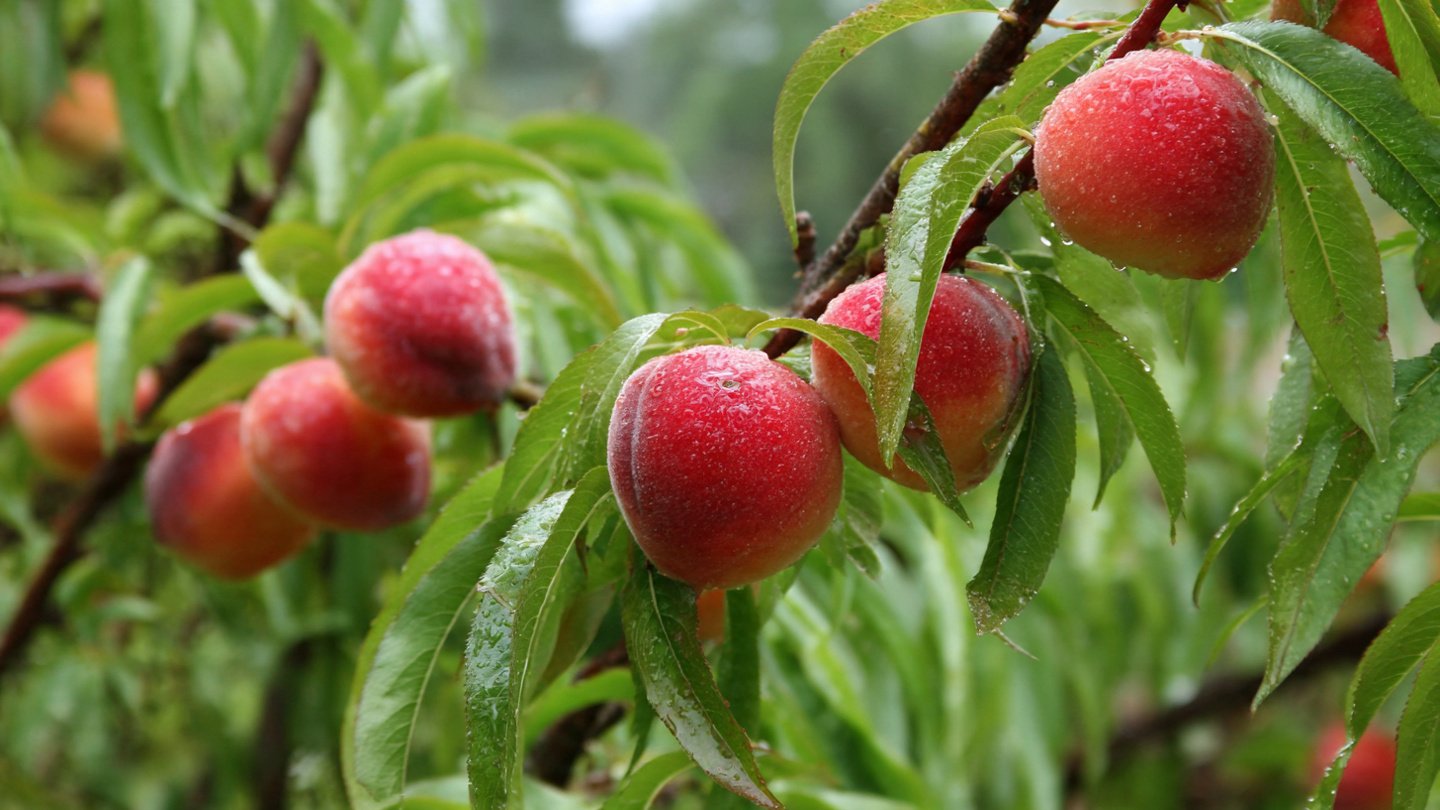
Growing peaches in Canada can be a challenging yet highly rewarding endeavor. The combination of cold winters, short growing seasons, and fluctuating spring temperatures often makes peach cultivation seem impossible for many gardeners. However, with the development of hardy peach varieties and the adoption of proper cultivation techniques, it is now entirely feasible to grow peaches successfully in Canadian climates, even producing fruit year after year. This ultimate guide explores everything you need to know to cultivate hardy peaches in Canada, from variety selection to planting, care, pest management, and harvesting.
Understanding Hardy Peach Varieties
Not all peaches can survive Canada’s harsh winters. Traditional peach varieties are typically suited for milder climates and may succumb to frost or severe cold. Hardy peaches, on the other hand, are bred to withstand freezing temperatures while still producing quality fruit.
- Key Varieties: Canadian gardeners often select cold-hardy varieties such as ‘Reliance,’ ‘Contender,’ ‘Redhaven,’ and ‘Madison.’ These varieties are specifically bred to tolerate temperatures as low as -25°C (-13°F) and can survive in zones 3–5.
- Self-Fertile vs. Cross-Pollination: Most hardy peaches are self-fertile, meaning one tree can produce fruit without a second tree for cross-pollination. However, planting multiple trees can increase yield and improve fruit quality.
Choosing the Right Location
Successful peach cultivation in Canada begins with careful site selection.
- Sunlight: Peaches require full sun, at least 6–8 hours daily, to produce sweet, juicy fruit. Avoid shaded areas or locations near tall trees that may block sunlight.
- Soil Conditions: Well-draining soil is critical. Peaches do not tolerate waterlogged soil, which can lead to root rot. Sandy loam or loamy soil enriched with organic matter is ideal.
- Microclimate: If possible, plant trees in a sheltered location that protects them from harsh winter winds. South-facing slopes or areas near buildings can provide additional warmth.
Planting Hardy Peach Trees
Proper planting techniques ensure the long-term success of your peach trees.
- Timing: In Canadian climates, it is best to plant peach trees in early spring after the last frost or in fall before the soil freezes.
- Soil Preparation: Prepare the soil by digging a hole twice the size of the root ball. Mix native soil with compost or aged manure to provide nutrients.
- Planting Depth: Set the tree so that the graft union (the bulge near the base of the trunk) is 2–4 inches above the soil line. Planting too deep can harm the tree.
- Spacing: Space trees 12–15 feet apart to allow sufficient air circulation, reduce disease risk, and accommodate mature growth.
- Watering: Water thoroughly after planting to settle the soil around the roots and eliminate air pockets.
Winter Protection Strategies
Canada’s cold winters necessitate strategies to protect peach trees from frost and freeze damage.
- Mulching: Apply a thick layer of mulch (6–12 inches) around the base of the tree to insulate the roots from freezing temperatures.
- Tree Wraps: Use tree wraps or burlap to protect young trunks from frost cracks and sunscald during winter.
- Wind Barriers: Erect temporary windbreaks using fencing, burlap screens, or shrubs to shield trees from harsh winter winds.
- Pruning Timing: Avoid late-season pruning, as it can stimulate growth that is susceptible to winter damage.
Pruning and Training
Pruning is essential for healthy growth, high fruit yield, and disease management.
- Initial Pruning: Focus on establishing a strong framework in the first two years. Remove weak, crossing, or inward-growing branches.
- Maintenance Pruning: Annually prune after harvest to maintain open canopy, improve sunlight penetration, and reduce fungal disease risk.
- Thinning: Remove excess fruit during the growing season to ensure larger, high-quality peaches and prevent branch breakage.
Fertilization and Soil Care
Peaches are heavy feeders, and proper nutrition is crucial for growth and fruit production.
- Balanced Fertilizer: Apply a balanced fertilizer (e.g., 10:10:10 NPK) in early spring before bud break.
- Nitrogen Management: Young trees require more nitrogen for growth, while mature trees need less to avoid excessive foliage at the expense of fruit production.
- Organic Amendments: Incorporate compost, aged manure, or leaf mulch annually to maintain soil fertility and structure.
- pH Levels: Aim for slightly acidic soil with a pH of 6.0–6.5. Test soil periodically and amend with lime or sulfur if necessary.
Irrigation and Water Management
Peach trees require consistent moisture, particularly during flowering and fruit development.
- Watering Schedule: Water deeply once or twice a week, depending on rainfall. Avoid frequent shallow watering, which encourages weak root development.
- Mulching Benefits: Mulch helps retain soil moisture and moderates temperature fluctuations.
- Avoid Overwatering: Excess water can lead to root rot, reduced fruit quality, and fungal diseases.
Pest and Disease Management
Hardy peaches in Canadian climates face fewer pests than in warmer regions, but vigilance is necessary.
- Common Pests: Aphids, scale insects, and peach tree borers can damage trees. Regular inspection and insecticidal soaps or horticultural oils can control infestations.
- Fungal Diseases: Brown rot and powdery mildew are common. Prune to improve airflow, remove infected fruit or branches, and apply organic or chemical fungicides if necessary.
- Preventive Care: Maintain good sanitation, avoid overhead watering, and remove fallen leaves or debris to reduce disease pressure.
Encouraging Flowering and Fruit Production
Peach trees require both proper care and environmental cues to produce fruit.
- Chill Hours: Most hardy varieties need 600–900 chill hours (hours below 7°C / 45°F) to break dormancy. Choose varieties suited to your local climate.
- Sun Exposure: Ensure trees receive full sunlight to support flowering and fruit development.
- Pollination: While many hardy peaches are self-pollinating, planting multiple trees can enhance cross-pollination and increase yields.
Harvesting and Storage
Knowing when and how to harvest is essential for enjoying high-quality fruit.
- Ripeness Indicators: Peaches should be firm but slightly soft to the touch and have a rich, uniform color. Aroma is a strong indicator of ripeness.
- Harvesting Technique: Twist or gently cut fruit from branches to avoid damaging the tree.
- Storage: Freshly picked peaches can be stored at room temperature for a few days or refrigerated to extend shelf life. Freezing or canning is an option for long-term storage.
Year-Round Care and Winter Preparation
Canadian climates require annual preparation to ensure peach trees survive and thrive year after year.
- Late Fall: Remove fallen leaves and prune lightly. Mulch heavily to insulate roots.
- Winter: Use tree wraps and windbreaks for additional protection. Avoid pruning in late fall, which can stimulate vulnerable growth.
- Early Spring: Remove winter protection gradually, inspect for winter damage, and apply fertilizers before bud break.
Tips for Maximizing Success
- Select hardy, zone-appropriate peach varieties.
- Plant in well-draining soil and provide consistent sunlight.
- Protect young trees from extreme winter conditions.
- Prune regularly and thin fruit for quality harvests.
- Monitor for pests and diseases to prevent infestations.
- Mulch and fertilize appropriately to maintain soil fertility.
Conclusion
Growing hardy peaches in Canadian climates is no longer a distant dream thanks to advances in cold-tolerant varieties and proper cultivation techniques. By carefully selecting the right variety, choosing an ideal site, providing appropriate care, and protecting trees from harsh winters, gardeners can enjoy sweet, juicy peaches year after year. Whether planting in home gardens, small orchards, or even larger containers, these steps provide a roadmap for success.
With patience, attention, and dedication, Canadian gardeners can cultivate robust peach trees that thrive despite short growing seasons and harsh winters. The result is not only a bountiful harvest of delicious fruit but also the satisfaction of mastering a challenging yet rewarding garden crop.
Hardy peaches prove that even in colder climates, tropical flavors can flourish with the right planning, care, and commitment. By following this ultimate guide, gardeners can confidently grow peaches in Canada and enjoy fresh, homegrown fruit for years to come.