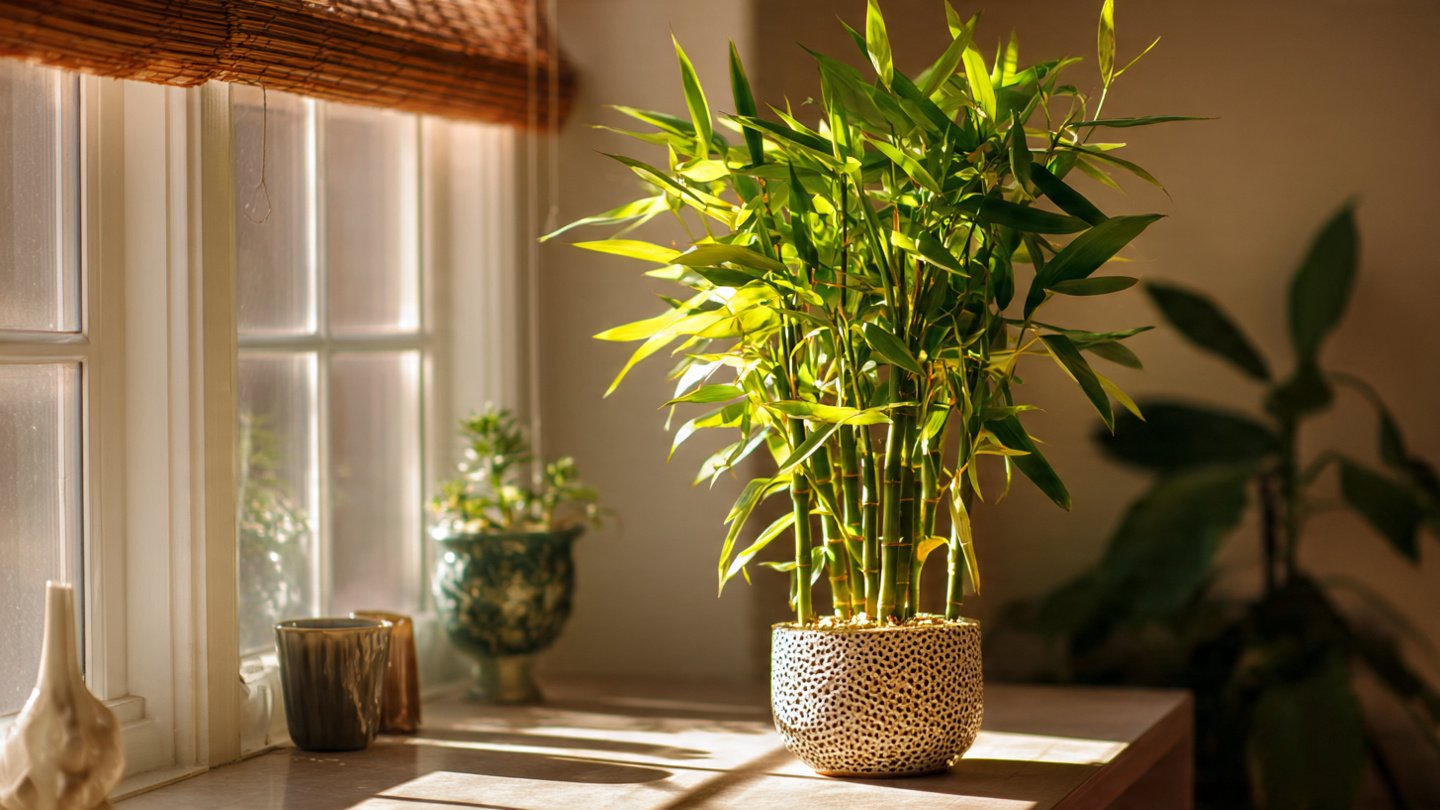
Lucky bamboo is a popular indoor plant, cherished for its lush green stalks, graceful appearance, and association with good fortune in feng shui. While relatively easy to care for, many plant enthusiasts wish to accelerate the growth of their lucky bamboo to create fuller, taller arrangements or intricate braids. Although growth rates are partly determined by genetics, environmental conditions, and care routines, there are several proven methods to encourage faster, healthier growth indoors. In this guide, we explore the best strategies for accelerating lucky bamboo growth while keeping it vibrant and stress-free.
Understanding Lucky Bamboo Growth
Lucky bamboo (Dracaena sanderiana) is not a true bamboo but a member of the Dracaena family. Its growth pattern is influenced by light, water, temperature, nutrients, and container conditions. In its natural habitat, it can grow several feet tall in a year, but indoors, growth can be slower due to limited light and space constraints. Understanding the plant’s natural needs is the first step toward optimizing its growth.
Lucky bamboo grows in two ways: vertical elongation of stalks and the development of lateral shoots. By providing optimal conditions, both aspects of growth can be enhanced, resulting in taller stalks, more shoots, and a fuller appearance.
Selecting Healthy Lucky Bamboo
The foundation of accelerated growth begins with a healthy plant. When purchasing lucky bamboo:
- Look for vibrant, green stalks: Avoid yellowing or brown tips, which indicate stress or poor health.
- Check the roots: Healthy roots should be white or light tan. Dark, mushy roots signal rot.
- Choose robust stems: Stalks that are thick, straight, and free of blemishes grow faster and are less prone to damage.
Starting with a vigorous plant reduces the time required to achieve noticeable growth and ensures a strong base for indoor cultivation.
Optimal Water Conditions
Water quality is critical for lucky bamboo growth. While the plant is tolerant of many conditions, proper water management can significantly accelerate growth:
- Use Clean Water: Tap water may contain chlorine or fluoride, which can harm the plant. Filtered, distilled, or rainwater is ideal.
- Maintain Consistent Water Levels: Roots should be submerged in water but not overcrowded. About 1–2 inches of water above the roots is sufficient.
- Change Water Regularly: Replace water every two weeks to prevent stagnation, bacterial growth, and algae accumulation, all of which can slow growth.
Watering is the simplest yet most important factor in promoting healthy, fast-growing lucky bamboo indoors.
Light Exposure for Faster Growth
Lucky bamboo thrives in bright, indirect light. While it tolerates low light, growth slows significantly under insufficient light. To optimize light conditions:
- Avoid direct sunlight: Direct rays can scorch the leaves and stress the plant.
- Provide consistent brightness: Place near east or west-facing windows where the plant receives filtered sunlight.
- Supplement with artificial light: If natural light is limited, use fluorescent or LED grow lights for 12–14 hours daily.
Adequate light promotes photosynthesis, increases energy production, and accelerates both stalk elongation and lateral growth.
Temperature and Humidity
Lucky bamboo prefers warm, stable indoor temperatures ranging from 65°F to 90°F (18°C–32°C). Temperature fluctuations can stress the plant, slowing growth.
- Avoid cold drafts and vents: Sudden changes in temperature can cause leaf yellowing or stunted growth.
- Maintain moderate humidity: Lucky bamboo enjoys humidity levels above 40%. In dry indoor conditions, use a humidity tray or mist leaves weekly.
- Use room temperature water: Cold water can shock roots, slowing growth and promoting disease.
By maintaining a warm, stable environment, you create optimal conditions for the plant to grow rapidly.
Fertilizing for Accelerated Growth
While lucky bamboo can survive without fertilizer, adding nutrients encourages faster, more robust growth.
- Use Balanced Liquid Fertilizer: Apply a diluted liquid fertilizer every 4–6 weeks. A mix designed for houseplants or specifically for Dracaena works best.
- Avoid Overfertilization: Excess fertilizer can burn roots and cause yellow leaves. Always dilute fertilizer to 1/10th or 1/4th of the recommended strength.
- Organic Options: Fish emulsion or seaweed extract provides essential nutrients while remaining gentle on the plant.
Fertilizing provides nitrogen for leafy growth, phosphorus for root development, and potassium for overall plant health, all of which accelerate growth.
Pruning and Stalk Maintenance
Regular pruning not only maintains the shape of lucky bamboo but also encourages new shoots and lateral growth.
- Trim Yellow or Dead Leaves: Removing unhealthy leaves allows the plant to redirect energy toward new growth.
- Cut Back Tall Stalks: Cutting the top of a tall stalk stimulates lateral branching, making the plant fuller.
- Promote Side Shoots: Make clean cuts just above a node to encourage buds to sprout lateral stalks.
Pruning should be done with sterilized scissors to prevent infection and promote healthy regrowth.
Supporting Stalks and Braiding
Support structures, such as stakes, can help stalks grow straight and healthy, minimizing energy wasted on crooked growth. For ornamental braiding, tie stalks gently using soft ties. Straight and supported stalks absorb light and nutrients more efficiently, promoting faster overall growth.
Encouraging Root Development
Roots are the foundation of rapid growth. Strong, healthy roots absorb water and nutrients efficiently. Methods to stimulate root growth include:
- Periodic Water Replacement: Refreshing water encourages root activity and reduces stagnation.
- Use Rooting Hormones: When propagating lucky bamboo from cuttings, dipping cut ends in rooting hormone can accelerate root formation.
- Provide Space: Avoid overcrowding in containers. Roots that have room to grow support faster stalk development.
Propagation to Expand Growth
Propagation from cuttings is another way to accelerate overall growth. By creating new plants, you increase the lushness and presence of lucky bamboo indoors. Steps include:
- Select Healthy Stalks: Use cuttings with at least one node.
- Place in Water: Submerge the node in filtered water, changing it every 1–2 weeks.
- Wait for Root Formation: Roots usually develop in 2–4 weeks under optimal conditions.
- Transplant When Ready: Once roots are 2–3 inches long, place the cutting in a larger container to encourage further growth.
Propagation not only multiplies plants but also accelerates the overall aesthetic impact of your indoor garden.
Avoiding Common Growth Inhibitors
Certain factors can slow lucky bamboo growth:
- Chlorinated or Fluoride-Rich Water: Can damage roots.
- Overcrowding: Too many stalks in one container limit nutrient availability.
- Insufficient Light: Low light drastically reduces photosynthesis.
- Dirty Containers: Algae buildup or stagnant water can stress the plant.
Monitoring these factors ensures a healthy environment that encourages continuous growth.
Aesthetic Tricks to Promote Perceived Growth
Even minor enhancements can make your lucky bamboo appear fuller and more vibrant:
- Rotate Regularly: Turning the plant every week ensures even light exposure and balanced growth.
- Use Decorative Stones: Submerging roots partially in clean pebbles can reduce algae growth and support vertical stalks.
- Group Plants: Arranging multiple stalks together creates a fuller display and encourages lateral shoots from hormonal interaction.
While not directly increasing growth rate, these methods enhance the overall health and visual impact of the plant.
Conclusion
Accelerating the growth of lucky bamboo indoors is achievable with the right combination of care techniques. By selecting healthy plants, providing optimal water, light, temperature, and nutrients, and employing strategic pruning and propagation, you can promote rapid and vigorous growth. Attention to root health, container conditions, and environmental stability further ensures that your lucky bamboo thrives indoors, developing taller stalks, fuller foliage, and vibrant green color.
While growth rate is naturally influenced by genetics, adopting these practices gives your lucky bamboo the best chance to grow faster, healthier, and more beautiful. With consistent care, your indoor lucky bamboo arrangement can become a lush, elegant focal point in your home, symbolizing both prosperity and vitality.