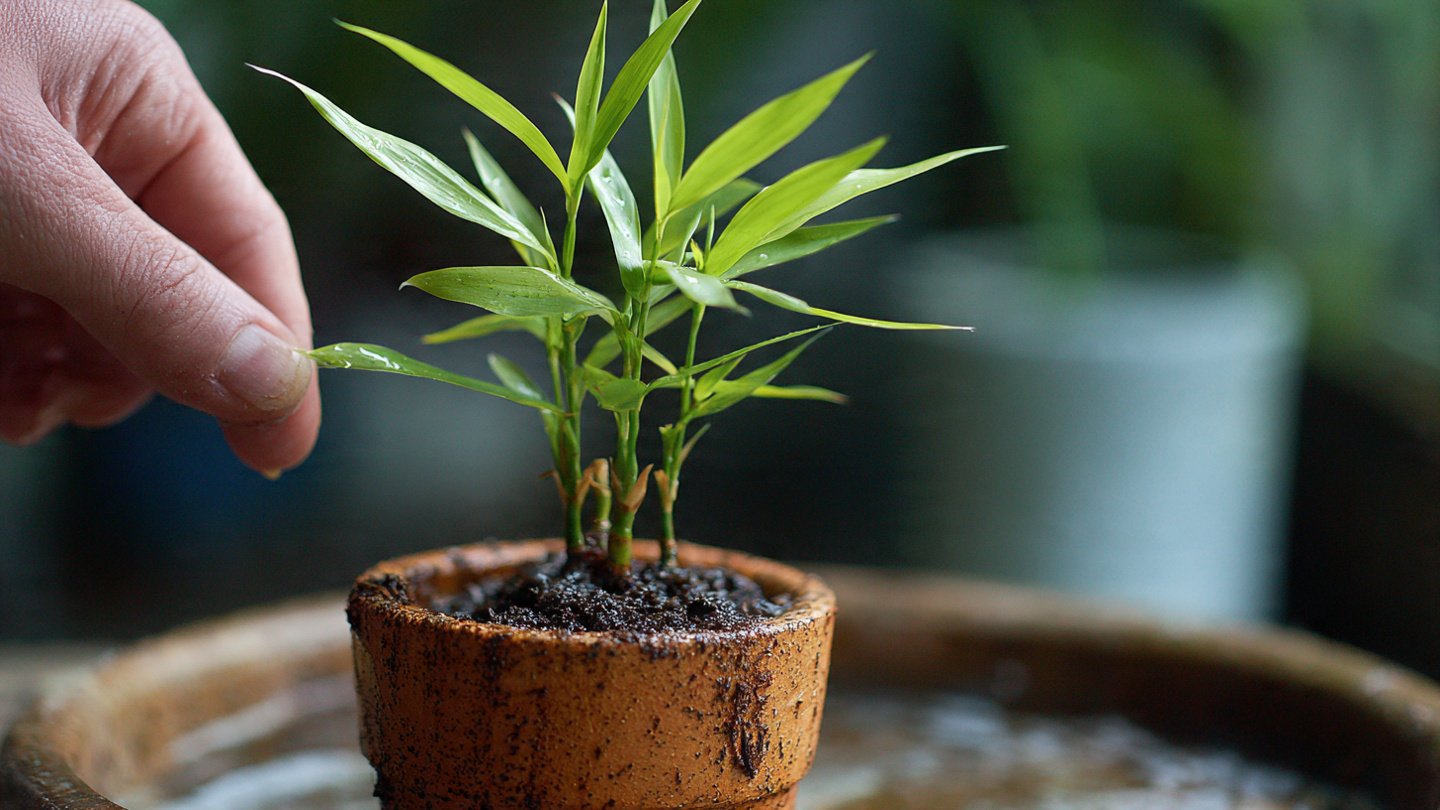
Bamboo is one of the fastest-growing plants in the world and a versatile addition to any garden. Its striking appearance, rapid growth, and versatility make it ideal for creating privacy screens, decorative hedges, or even indoor green accents. While bamboo can be purchased as mature plants, propagating it from cuttings is a simple, cost-effective way to multiply your bamboo and enjoy abundant growth. With the right technique, care, and attention to soil, water, and sunlight, you can turn a single bamboo plant into a thriving grove in no time.
The first step in propagating bamboo from cuttings is selecting the right parent plant. Choose a healthy, mature bamboo that is disease-free and vigorous. Avoid plants showing signs of stress, pests, or weak growth, as these characteristics are likely to transfer to the new cuttings. The best time to take bamboo cuttings is during the growing season, typically spring or early summer, when the plant is actively producing new shoots. Healthy cuttings are more likely to root successfully and establish quickly in their new environment.
Next, select the proper type of cutting. Bamboo stems, or culms, are divided into nodes and internodes. For propagation, choose culms that are at least one year old but not too woody or overly mature. Cut sections that include at least two to three nodes, as roots and shoots will emerge from these points. Each node has the potential to generate roots, making them essential for successful propagation. Avoid cuttings with leaves at this stage, as foliage can increase water loss before roots develop.
Preparation of the bamboo cutting is a simple but important step. Using a sharp, clean knife or pruning shears, make a clean cut just below a node. Remove any lateral branches or shoots along the cutting, leaving a smooth stem. Some gardeners recommend dipping the cut ends in a rooting hormone or natural growth stimulant to encourage root formation, though bamboo often roots successfully without it. Ensuring the cut is clean and the stem is healthy increases the chances of rapid growth.
Selecting the right growing medium is critical for bamboo propagation. A well-draining, loose substrate allows roots to develop quickly without risk of rot. A mixture of sand, perlite, and organic compost works well for bamboo cuttings. The medium should be moist but not waterlogged. Planting cuttings directly in heavy garden soil can slow root development, so container propagation or raised beds with prepared soil are ideal. This controlled environment helps maintain the proper moisture and aeration necessary for root initiation.
Planting the cuttings requires careful attention to depth and orientation. Insert the bamboo cutting vertically into the prepared medium, burying at least one or two nodes under the soil. Ensure that the nodes are in contact with the medium, as roots will emerge from these points. Firm the soil gently around the base of the cutting to eliminate air pockets while avoiding compaction. Proper placement ensures stability and encourages root development in a healthy, strong pattern.
Watering is essential for bamboo propagation. After planting, water the cuttings thoroughly to settle the soil and provide immediate moisture. Maintain consistent soil moisture throughout the rooting phase, which can take several weeks. Bamboo cuttings are prone to drying out, so check regularly and water gently to keep the medium damp but not soggy. Using a spray bottle or gentle watering can help avoid dislodging the cuttings while providing even hydration.
Sunlight is another key factor in bamboo propagation. Place the cuttings in a location with bright, indirect sunlight. Direct, harsh sunlight can cause excessive water loss and stress, reducing the likelihood of rooting. Bamboo thrives in filtered light during the initial stages of propagation, as it allows energy to focus on root development rather than excessive leaf growth or transpiration. Once roots are established, gradually expose the plants to more direct sunlight to promote vigorous shoot growth.
Maintaining humidity around the cuttings can dramatically improve success rates. Bamboo responds well to higher humidity levels during root initiation. You can create a mini-greenhouse effect by covering the cuttings with a clear plastic bag or placing them in a propagation tray with a lid. This traps moisture and prevents excessive drying, encouraging faster root formation. Ensure occasional ventilation to prevent fungal growth, which can occur in overly humid conditions.
Monitoring growth is an essential part of bamboo propagation. Within a few weeks to a couple of months, roots should begin to emerge from the buried nodes. You may notice tiny shoots or new leaves appearing as a sign of successful establishment. Patience is key during this phase, as bamboo cuttings can take time to develop a robust root system before vigorous growth begins. Avoid disturbing the cuttings too early, as this can damage tender roots and slow progress.
Once roots are well-established, the bamboo cutting can be transplanted to a permanent location. Choose a site with ample sunlight, well-draining soil, and sufficient space for spreading, as bamboo can grow rapidly once mature. Dig a hole large enough to accommodate the root ball without bending or compressing roots. Transplant gently and water thoroughly to reduce transplant shock. Adding mulch around the base of the plant helps retain moisture and regulate soil temperature, supporting healthy growth.
Fertilization supports vigorous growth and helps newly propagated bamboo thrive. Start with a balanced, slow-release fertilizer to provide essential nutrients during establishment. Once the plant shows strong shoot growth, supplement with nitrogen-rich fertilizers to encourage lush foliage and rapid culm development. Organic options such as compost, aged manure, or fish emulsion work well to maintain soil fertility and support sustainable growth. Consistent feeding ensures your propagated bamboo develops into a robust, healthy plant.
Pruning and maintenance are essential for bamboo management. Remove any damaged or weak shoots to focus energy on strong culms. Pruning also improves airflow and light penetration, reducing the risk of disease. Bamboo spreads quickly, so regular monitoring prevents overcrowding and encourages the formation of tall, healthy stalks. Support newly propagated bamboo with stakes if needed until the culms are strong enough to stand independently.
Pest and disease management is another key consideration. Bamboo can be affected by aphids, mites, or fungal infections, particularly in humid or crowded conditions. Regular inspection allows early detection, and using organic controls like neem oil or insecticidal soap keeps plants healthy. Maintaining proper spacing, airflow, and soil drainage minimizes the risk of disease, ensuring that newly propagated bamboo grows vigorously without setbacks.
Bamboo propagation is not only cost-effective but also allows gardeners to multiply their favorite varieties rapidly. By taking healthy cuttings, providing the proper medium, maintaining moisture and humidity, and offering adequate light and nutrients, one can create multiple thriving plants from a single parent. This method is ideal for creating privacy screens, ornamental hedges, or a dense bamboo grove over time.
With patience and consistent care, propagated bamboo cuttings can achieve amazing growth within months. Once established, bamboo grows rapidly, forming tall, strong culms and lush foliage. Regular care, proper watering, and occasional fertilization ensure that the plant reaches its full potential. Propagating bamboo from cuttings is a rewarding process that transforms a single plant into an expanding, vibrant bamboo landscape.
In conclusion, propagating bamboo from cuttings is a simple yet highly effective method to multiply your bamboo collection and enjoy vigorous growth. Start with healthy parent plants, select proper cuttings with multiple nodes, and plant them in a well-draining, nutrient-rich medium. Maintain consistent moisture, provide bright indirect light, and ensure adequate humidity. Support new shoots, fertilize appropriately, and monitor for pests or diseases. By following these straightforward techniques, gardeners can create thriving bamboo groves, privacy screens, or decorative accents, turning a single bamboo stalk into a flourishing and lush addition to any outdoor or indoor space.