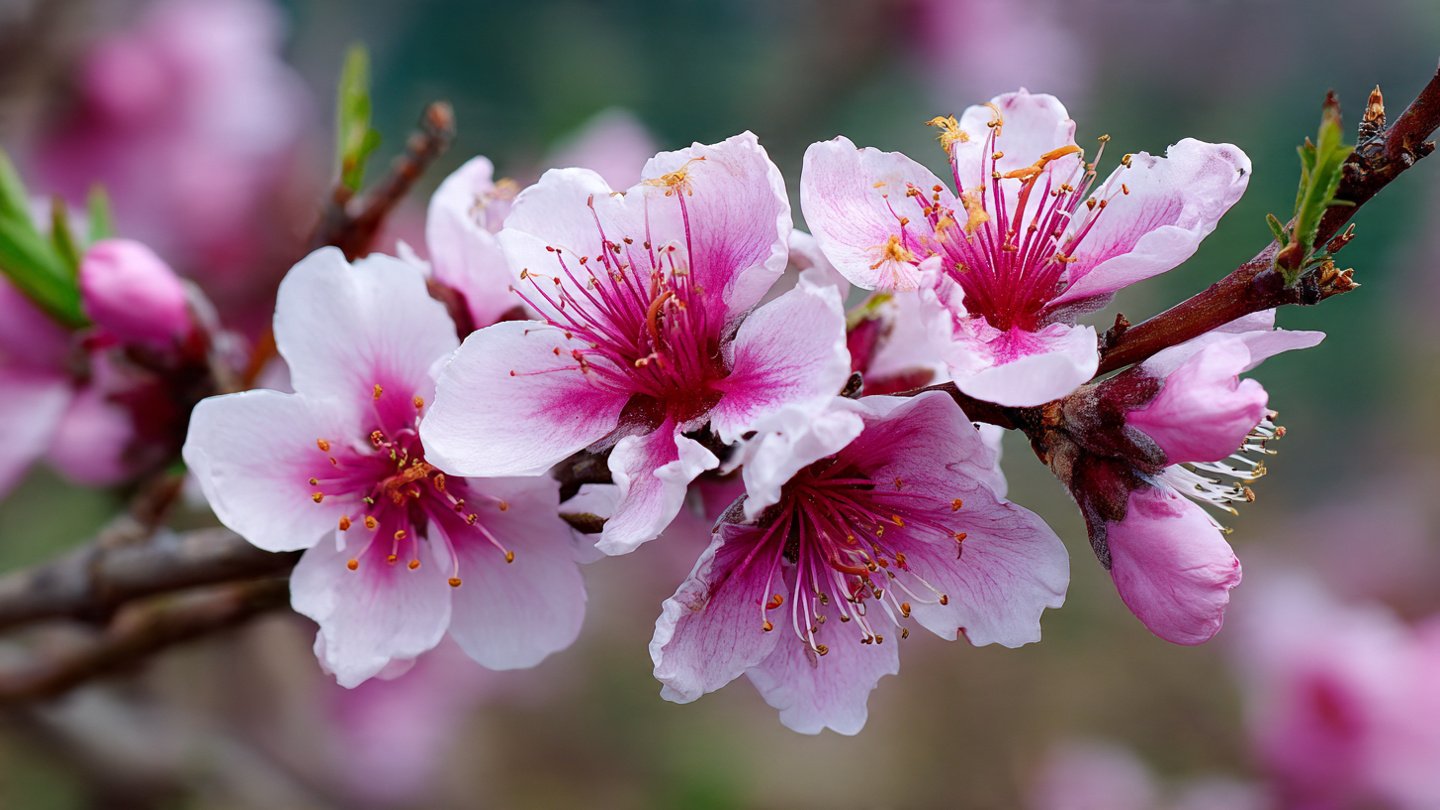
Growing peach trees in cold climates may seem daunting, but with the right methods, gardeners can enjoy sweet, juicy peaches even in regions with harsh winters. While peach trees naturally thrive in temperate areas, proper variety selection, site preparation, pruning, and winter protection can make them successful in colder environments. This guide explores simple yet effective methods for growing healthy peach trees in cold climates and achieving a bountiful harvest.
Understanding Peach Trees and Cold Climates
Peach trees (Prunus persica) are deciduous fruit trees that produce succulent fruits with a delicate balance of sweetness and acidity. They require specific chilling hours—a period of cold temperatures during winter—to break dormancy and produce fruit in spring. The exact chilling requirement varies by variety, typically ranging from 400 to 1,000 hours of temperatures between 32°F and 45°F (0°C to 7°C).
In cold climates, challenges include:
- Late spring frosts that can damage blossoms
- Winter injury to young trees
- Shorter growing seasons
Despite these obstacles, modern horticulture and careful planning allow gardeners to grow peach trees successfully in colder regions.
Choosing Cold-Hardy Peach Varieties
Selecting a variety suited for cold climates is the most critical step. Some peach varieties have been bred specifically for frost tolerance and low chilling requirements. Recommended cold-hardy varieties include:
- ‘Reliance’ – Extremely hardy and frost-resistant, producing medium-sized, sweet fruits.
- ‘Contender’ – Thrives in colder regions with reliable fruit production.
- ‘Canadian Harmony’ – Designed for short growing seasons with exceptional winter hardiness.
- ‘Redhaven’ – Popular for its adaptability and flavorful fruit, tolerates moderate cold.
Choosing the right variety ensures the tree can survive winter temperatures and still produce a reliable harvest.
Selecting the Ideal Site
Site selection greatly affects peach tree survival and fruiting in cold climates. Consider the following:
- Sunlight: Peach trees need full sun for at least 6–8 hours daily to encourage flowering and fruit development.
- Air Drainage: Cold air settles in low areas, increasing frost risk. Plant trees on a slope or raised area to reduce frost damage.
- Soil: Well-draining loamy soil with a pH of 6.0–7.0 is ideal. Avoid heavy clay or poorly drained areas, which can lead to root rot during winter.
- Wind Protection: Strong winter winds can desiccate trees. Plant near windbreaks or use protective barriers.
Proper site selection minimizes environmental stress and improves tree survival in cold climates.
Planting Peach Trees
Planting young trees at the correct time and depth is essential:
- Timing: In cold climates, plant bare-root trees in early spring after the last frost. Container-grown trees can be planted anytime the soil is workable.
- Digging the Hole: Dig a hole twice as wide as the root system and deep enough to accommodate the roots without bending.
- Soil Preparation: Mix native soil with compost or organic matter to improve fertility and drainage.
- Planting Depth: Position the tree so the graft union (swollen area near the base) is 2–4 inches above soil level. Planting too deep can hinder growth.
- Watering: Water thoroughly after planting to settle soil and remove air pockets.
Following these steps promotes strong root establishment and enhances winter survival.
Pruning for Cold Climates
Pruning is vital to maintain tree health, improve airflow, and reduce winter damage. Proper pruning techniques include:
- Dormant Pruning: Prune in late winter while the tree is dormant. Remove dead, damaged, or crossing branches.
- Open Center Structure: Shape the tree with an open center to allow sunlight penetration and reduce snow or ice accumulation on branches.
- Moderate Pruning: Avoid excessive pruning in late fall, as it may stimulate tender new growth vulnerable to frost.
Consistent pruning ensures the tree develops a strong framework to withstand snow and ice during winter.
Fertilization and Soil Nutrition
Peach trees require adequate nutrients to survive cold winters and produce healthy fruit. Key points include:
- Balanced Fertilizer: Apply nitrogen, phosphorus, and potassium during early spring and again after fruit set.
- Organic Amendments: Incorporate compost or well-rotted manure to improve soil fertility and moisture retention.
- Avoid Late Fertilization: Fertilizing in late summer can promote new growth that is vulnerable to winter frost.
Healthy, well-nourished trees are better equipped to tolerate cold and recover quickly in spring.
Watering and Mulching
Winter desiccation is a major risk in cold climates. Proper watering and mulching protect trees:
- Watering: Maintain consistent moisture in fall before the ground freezes to prevent root dehydration.
- Mulching: Apply 3–4 inches of organic mulch around the base, keeping it a few inches away from the trunk. Mulch insulates roots, stabilizes soil temperature, and conserves moisture.
Adequate water and mulching reduce winter stress and support early spring growth.
Protecting Peach Trees from Frost and Extreme Cold
Even cold-hardy varieties may suffer during extreme temperatures. Several strategies help protect trees:
- Frost Cloths or Blankets: Cover trees during unexpected late spring frosts to protect blossoms.
- Tree Wraps: Protect young trunks from frost cracks or sunscald by wrapping with commercial tree guards or burlap.
- Windbreaks: Plant hedges or install temporary barriers to reduce exposure to icy winds.
- Microclimate Optimization: Plant near south-facing walls or structures to maximize heat absorption and reduce frost risk.
Implementing these measures increases the likelihood of successful fruiting in cold climates.
Pollination Considerations
Peach trees are mostly self-pollinating, but blossoms still require pollinators for optimal fruit set. Encourage bees and other pollinators in your garden by planting companion flowers such as lavender, borage, or sunflowers. In early spring, avoid heavy spraying of chemicals that could harm pollinators. Healthy pollination ensures larger, more abundant fruit.
Pest and Disease Management
Cold climates do not eliminate pests and diseases. Common issues include peach leaf curl, brown rot, and scale insects. Effective strategies include:
- Dormant Sprays: Apply copper-based fungicides during winter dormancy to prevent fungal infections.
- Regular Inspections: Monitor trees for signs of insect activity or disease during the growing season.
- Sanitation: Remove fallen leaves, fruit, and debris to reduce fungal spores and overwintering pests.
Proactive care reduces stress on trees and supports successful fruiting despite cold conditions.
Harvesting and Fruit Care
Peaches in cold climates may have a shorter growing season, so timely harvesting is essential:
- Ripeness Indicators: Fruits are ready when they are fragrant, slightly soft to touch, and have developed full color.
- Gentle Handling: Harvest peaches carefully to avoid bruising, which can lead to rot.
- Immediate Use or Storage: Eat fresh, refrigerate, or preserve through canning to enjoy peak flavor.
Timely harvest ensures the fruits reach maximum sweetness and quality despite seasonal constraints.
Advantages of Growing Peach Trees in Cold Climates
Successfully growing peaches in cold climates offers numerous benefits:
- Homegrown Flavor: Fresh, juicy peaches straight from your garden surpass store-bought fruit in taste and nutrition.
- Control Over Chemicals: Grow organic peaches without pesticides or synthetic fertilizers.
- Extended Gardening Experience: Trees add beauty to landscapes, even during dormant winter months.
- Self-Sufficiency: Enjoy reliable fruit production in challenging climates with careful planning.
Growing peach trees in cold climates is not only feasible but rewarding with the right techniques.
Tips for Maximum Success
- Select cold-hardy varieties suited to your region.
- Plant in well-draining, sunny locations with protection from frost pockets.
- Prune to maintain strong structure and airflow.
- Fertilize appropriately and avoid late-season nitrogen.
- Mulch and water to protect roots during winter.
- Use frost cloths and tree wraps to safeguard young or sensitive trees.
- Encourage pollinators and manage pests proactively.
- Harvest promptly to enjoy peak fruit quality.
Conclusion
Growing peach trees in cold climates may seem challenging, but it is entirely achievable with simple, methodical approaches. Choosing the right variety, providing proper site conditions, protecting against frost, and maintaining tree health through pruning, fertilization, and watering are key to success. By following these strategies, gardeners can enjoy the sweet rewards of homegrown peaches even in regions with harsh winters.
With careful planning and attention to detail, cold-climate gardeners can cultivate thriving peach trees that not only survive the cold but flourish, producing abundant, delicious fruit for years to come. Patience, protection, and proper care unlock the potential of these trees, proving that even the chilliest climates cannot stop the joys of fresh, homegrown peaches.