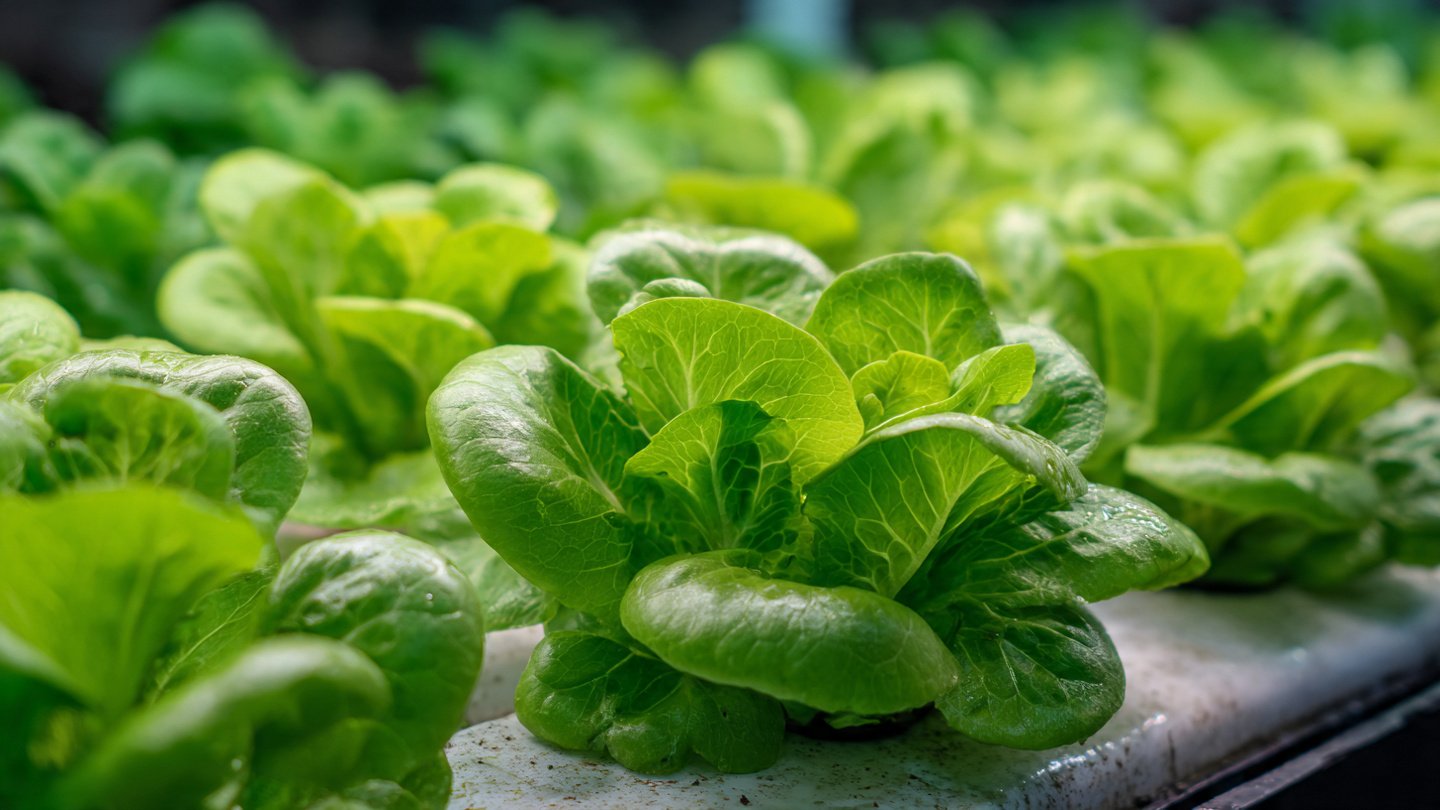
There’s nothing quite like the taste of fresh, crisp lettuce harvested straight from your own garden. Baby lettuce leaves, in particular, are prized for their tender texture, vibrant color, and delicate flavor. Whether you’re looking to elevate your salads, sandwiches, or smoothies, growing baby lettuce at home is simple, rewarding, and surprisingly fast. With minimal space, basic tools, and a little know-how, you can cultivate a continuous supply of nutritious leaves right in your backyard, balcony, or even indoors. This guide walks you step by step through the process of growing luscious baby lettuce leaves in your home garden.
Why Grow Baby Lettuce?
Baby lettuce leaves are the immature leaves of lettuce plants, harvested before they reach full size. They offer several advantages over mature lettuce:
- Faster Harvest: Baby leaves are ready in as little as 3–4 weeks after sowing, compared to 6–8 weeks for mature heads.
- Tender Texture: Their delicate leaves are soft, making them perfect for salads and garnishes.
- Nutritional Benefits: Baby lettuce is rich in vitamins A, C, and K, as well as antioxidants and minerals, providing a healthy boost to your diet.
- Continuous Supply: With successive sowing, you can enjoy a year-round harvest without needing large garden space.
These benefits make baby lettuce an excellent choice for beginners and experienced gardeners alike.
Choosing the Right Variety
Selecting the appropriate lettuce variety is crucial for optimal growth and flavor. Popular baby lettuce varieties include:
- Butterhead Lettuce: Tender, buttery leaves with a sweet flavor.
- Romaine Lettuce: Crisp leaves with a slightly stronger flavor, perfect for Caesar salads.
- Leaf Lettuce: Includes red or green leaf types that are versatile and fast-growing.
- Oakleaf Lettuce: Attractive, deeply lobed leaves that add visual appeal to salads.
When selecting seeds, look for varieties labeled “baby leaf” or “leaf lettuce,” as these are specifically suited for harvesting young, tender leaves.
Preparing Your Growing Space
Baby lettuce is adaptable and can grow in garden beds, containers, or even indoor planters. Key considerations include:
- Soil: Use loose, well-draining soil rich in organic matter. A mix of compost, peat, and garden soil creates an ideal environment.
- Containers: If growing in pots, choose containers at least 6–8 inches deep. Ensure drainage holes are present to prevent waterlogging.
- Sunlight: Baby lettuce thrives with 4–6 hours of direct sunlight daily. In hotter climates, partial shade prevents leaves from bolting (flowering prematurely).
- Spacing: Sow seeds closely for baby leaves, about 1–2 inches apart, as leaves are harvested young and do not require extensive space.
By setting up your growing space properly, you give your lettuce the best start for rapid and healthy growth.
Step 1: Sowing Seeds
Sowing baby lettuce seeds is simple and forgiving:
- Fill your container or garden bed with prepared soil.
- Scatter the seeds evenly over the surface.
- Cover lightly with a thin layer of soil or vermiculite, approximately ¼ inch deep.
- Water gently to moisten the soil without washing away seeds.
Because baby leaves are harvested early, you don’t need precise spacing. Crowded seedlings will naturally thin themselves as they grow.
Step 2: Watering and Moisture Management
Consistent moisture is critical for baby lettuce. Seeds and seedlings need a damp environment to germinate and thrive:
- Watering: Keep the soil consistently moist but not waterlogged. Light, frequent watering works best, especially for containers.
- Avoid Splashes: Water gently to prevent soil erosion or seed displacement. A spray bottle or fine watering can is ideal.
- Humidity: In dry climates or indoors, covering the seeds with a clear lid or plastic wrap can retain moisture until germination.
Proper moisture ensures fast germination, typically within 7–10 days, and prevents stress that can stunt leaf growth.
Step 3: Thinning and Spacing
Once seedlings have developed 2–3 true leaves, thinning is necessary to allow enough room for leaves to expand:
- Gently remove weaker seedlings by cutting them at the soil line rather than pulling them to avoid disturbing nearby roots.
- Maintain spacing of 2–3 inches between plants for optimal air circulation and healthy leaf growth.
Thinning helps baby lettuce develop tender, flavorful leaves without overcrowding or disease risk.
Step 4: Feeding Your Lettuce
Baby lettuce benefits from a light, balanced feeding to encourage rapid growth:
- Organic Fertilizer: A diluted compost tea or fish emulsion applied every 2 weeks provides essential nutrients.
- Nitrogen: Promotes leafy growth, which is the primary goal for baby leaves. Avoid excessive fertilizer, as it can lead to overly lush leaves that bolt faster.
- Soil Health: Incorporate compost regularly to maintain fertility and soil structure.
Proper feeding accelerates growth and enhances the flavor and texture of the leaves.
Step 5: Managing Temperature and Light
Temperature and light directly affect lettuce growth and quality:
- Ideal Temperature: Baby lettuce thrives between 60–70°F. High temperatures may cause leaves to become bitter or bolt.
- Sunlight: At least 4–6 hours of direct sunlight ensures tender, flavorful leaves. In hot climates, provide partial shade during peak afternoon heat.
- Indoor Growing: Use fluorescent or LED grow lights if natural sunlight is insufficient. 12–14 hours of light per day promotes rapid growth.
By monitoring temperature and light conditions, you can prevent stress that negatively impacts leaf size, flavor, and tenderness.
Step 6: Pest and Disease Management
Baby lettuce is susceptible to common garden pests and diseases, but preventive measures can minimize damage:
- Aphids: Spray seedlings with a gentle water mist or insecticidal soap.
- Slugs and Snails: Use copper tape, crushed eggshells, or organic slug repellents.
- Leaf Spot or Mildew: Ensure proper spacing for air circulation and avoid overhead watering to reduce fungal risk.
Regular inspection and prompt intervention keep your lettuce healthy and productive.
Step 7: Harvesting Baby Lettuce
Harvesting baby lettuce is one of the most rewarding aspects of growing your own greens:
- Timing: Leaves are ready when they reach 2–4 inches in length, typically 3–4 weeks after sowing.
- Method: Use scissors to cut leaves about 1 inch above the soil line, allowing new leaves to continue growing.
- Successive Harvests: By sowing seeds every 2–3 weeks, you can maintain a continuous supply of fresh baby leaves.
Harvesting young leaves at the right stage ensures tenderness, flavor, and high nutritional content.
Tips for Continuous Growth
For a steady supply of baby lettuce, consider these tips:
- Succession Planting: Sow new seeds every 2–3 weeks to maintain a constant harvest.
- Rotate Varieties: Mix different leaf lettuce types for varied flavors, colors, and textures.
- Indoor Extension: Extend the growing season by cultivating lettuce indoors during colder months.
- Soil Care: Refresh soil with compost or potting mix periodically to maintain fertility and structure.
Following these practices guarantees a year-round harvest of luscious, tender baby leaves.
Benefits of Growing Baby Lettuce at Home
Growing baby lettuce at home offers multiple advantages beyond taste and nutrition:
- Cost Savings: Homegrown lettuce is cheaper than buying fresh greens from the store.
- Freshness: Leaves are harvested at peak flavor and nutritional value.
- Reduced Waste: Growing your own allows you to harvest only what you need, minimizing spoilage.
- Therapeutic Gardening: Caring for plants promotes relaxation, mindfulness, and connection to nature.
These benefits make homegrown baby lettuce an excellent choice for anyone looking to enhance their diet, save money, and enjoy gardening.
Conclusion
Growing luscious baby lettuce leaves in your home garden is easier than many people think. With the right seeds, soil, light, and care, you can enjoy a continuous supply of tender, flavorful greens in just a few weeks. From sowing and watering to thinning and harvesting, each step contributes to healthier plants and better-tasting leaves. By following this guide and implementing succession planting, proper feeding, and pest management, you can cultivate baby lettuce successfully all year round.
Whether you have a backyard garden, a balcony, or just a windowsill, homegrown baby lettuce allows you to enjoy the unmatched flavor, freshness, and nutritional benefits of greens straight from your own garden. With minimal space, effort, and time, you can transform your home into a vibrant source of fresh, healthy greens and enjoy the satisfaction of eating what you grow.