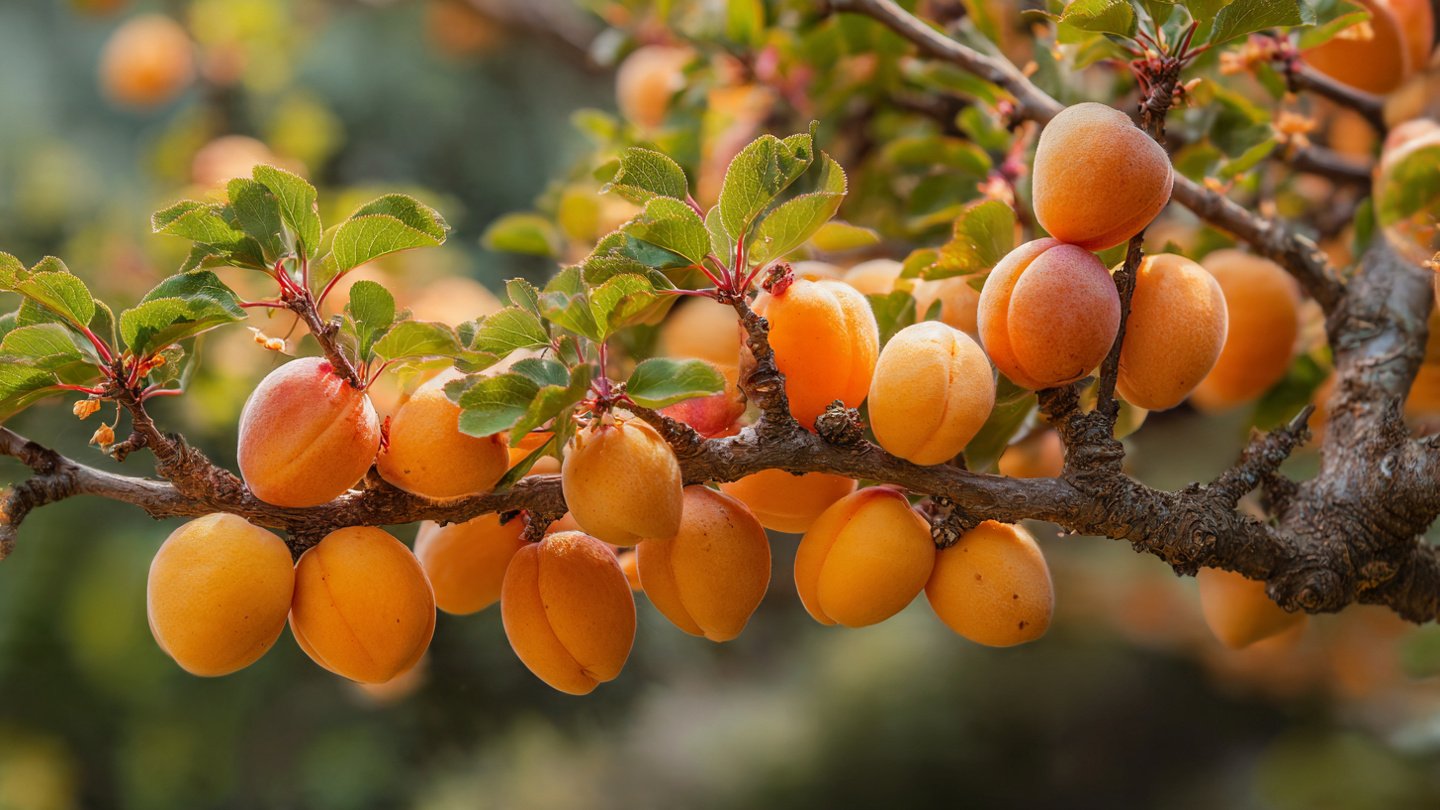
Apricot trees are one of the most rewarding fruit trees to grow in a backyard garden. Their delicate blossoms, juicy fruits, and ornamental value make them a favorite among gardeners, yet many people assume that apricots require specialized care or a greenhouse to thrive. In reality, hardy apricot varieties have been developed to withstand colder climates and common backyard conditions, allowing gardeners to cultivate these trees successfully without expensive structures. By selecting the right variety, preparing the soil, understanding pruning techniques, and managing pests and diseases, you can enjoy fresh apricots directly from your garden.
The first step in growing apricot trees in your backyard is selecting a hardy variety suited to your climate. Hardy apricots are bred to survive low winter temperatures while still producing sweet, flavorful fruit. Examples include varieties such as Moorpark, Sungold, and Stella, which are known for their resilience and high yield. When choosing a tree, consider the chill hours your region receives—this refers to the cumulative hours below a certain temperature, typically between 32°F and 45°F, necessary for proper fruit development. Matching your chosen apricot tree to your local chill requirements ensures that buds break dormancy properly in spring, reducing the risk of frost damage.
Once you have selected a hardy variety, site preparation is critical. Apricot trees require full sunlight for optimal growth, ideally receiving six to eight hours of direct sunlight daily. Soil should be well-draining and fertile, as apricots do not tolerate waterlogged conditions. If your backyard soil is heavy clay or poorly drained, consider amending it with sand, organic compost, or planting the tree on a raised mound. Good drainage prevents root rot, a common problem in backyard apricot cultivation. Additionally, planting in a slightly elevated area can protect young trees from frost settling in low spots.
Planting your apricot tree correctly sets the foundation for years of healthy growth. Dig a hole twice as wide and just as deep as the root ball. Remove any damaged roots, gently spread the remaining roots, and place the tree at the same depth it was growing in its container or nursery. Backfill with a mixture of native soil and organic matter, then water thoroughly to settle the soil around the roots. Mulching around the base with straw, wood chips, or compost helps retain moisture, moderates soil temperature, and suppresses weeds. Avoid piling mulch directly against the trunk, as this can promote rot.
Pruning is one of the most important steps in maintaining apricot tree health and productivity. For backyard growers, winter or early spring pruning is ideal, performed while the tree is still dormant. The goal is to create an open, vase-shaped canopy that allows sunlight and air to penetrate, promoting strong fruiting branches and reducing disease risk. Start by removing any dead, damaged, or crossing branches. Next, thin out the center of the tree to create space for sunlight and airflow. For young trees, focus on establishing a main scaffold of branches that will support future fruiting. Regular pruning not only shapes the tree aesthetically but also encourages higher yields year after year.
Apricot trees, like most fruit trees, rely on proper nutrition to reach their full potential. A balanced fertilization plan includes nitrogen for vegetative growth, phosphorus for root development, and potassium for flowering and fruiting. In a backyard setting, applying compost or well-rotted manure in early spring provides a slow-release source of nutrients. Avoid over-fertilizing, especially with nitrogen, as this can promote excessive leaf growth at the expense of flowers and fruit. Foliar feeding with a diluted fertilizer solution during early bloom can also boost fruit set, particularly for trees in nutrient-poor soil.
Pollination is another key consideration when growing apricots without a greenhouse. While many apricot varieties are self-fertile, having multiple trees nearby or planting complementary pollinator varieties can improve fruit set. Bees and other pollinators play an essential role in transferring pollen between flowers, so minimizing pesticide use during bloom and providing pollinator-friendly plants nearby will encourage activity. Gardeners can also manually assist pollination with a small paintbrush to transfer pollen from one blossom to another, increasing fruit yield in small backyard orchards.
Water management is critical for apricot trees, particularly in their first few years. Young trees require consistent moisture to establish deep, healthy roots. Drip irrigation or soaker hoses are ideal for delivering water directly to the root zone without wetting foliage, which can increase disease risk. Once established, hardy apricot trees are moderately drought-tolerant but still benefit from deep watering during prolonged dry spells, flowering, and fruit development. Mulching further enhances soil moisture retention, reducing the frequency of watering while promoting a healthier root environment.
Pest and disease management is an unavoidable part of backyard apricot cultivation, but hardy apricot trees are less susceptible than other fruit trees. Common pests include aphids, spider mites, and codling moths, while fungal diseases such as brown rot and leaf curl can affect flowers and fruit. Integrated pest management strategies, including monitoring, manual removal, pruning to improve airflow, and using organic treatments like neem oil, help minimize damage. Applying dormant oil sprays during late winter can suppress overwintering insects and fungal spores, giving your tree a strong start to the growing season.
Harvesting apricots in a backyard setting is both enjoyable and rewarding. Fruits typically ripen in late spring to early summer, depending on the variety and local climate. Ripe apricots are slightly soft to the touch, fragrant, and display a vibrant color, ranging from golden yellow to reddish-orange. Gently twist or lift the fruit from the branch to avoid damaging the tree or fruit. Harvesting in the morning, when temperatures are cooler, helps preserve flavor and texture. Backyard growers often pick multiple times over a two-to-three-week period, as apricots rarely ripen all at once.
In addition to fresh consumption, apricots from backyard orchards can be used in various culinary preparations. They can be dried for long-term storage, made into jams, preserves, or baked into pies and desserts. Backyard apricot cultivation also encourages sustainable food practices, reducing dependence on store-bought fruits while providing fresh, chemical-free produce for family consumption. Beyond culinary value, the blossoms in spring attract pollinators and lend aesthetic appeal to your garden, making apricot trees a dual-purpose addition to any backyard.
Hardy apricot trees require minimal protection compared to delicate varieties, meaning greenhouses or complicated structures are not necessary. However, gardeners can employ frost protection techniques during unusually cold snaps. Row covers, frost cloths, or temporary windbreaks can safeguard blossoms from late frost damage. Selecting a planting site with southern exposure or near walls and fences provides additional warmth and protection. Over time, hardy apricot trees adapt to local microclimates, further reducing the need for artificial structures.
Patience is essential when growing apricots in a backyard setting. Trees may take three to five years to reach full fruit-bearing potential, but proper care accelerates growth and enhances early yields. Consistent attention to pruning, watering, nutrition, and pest management ensures healthy development and longevity. Many backyard gardeners find that the combination of aesthetic appeal, fruit production, and ecological benefits makes the investment of time and effort well worth it.
In conclusion, growing hardy apricot trees without a greenhouse is entirely feasible for backyard gardeners who are willing to invest in proper planning, care, and observation. Selecting the right variety, preparing well-drained soil, establishing proper pruning and fertilization routines, managing pests and diseases, and paying attention to pollination and watering all contribute to a successful orchard. The rewards include not only delicious fresh apricots and culinary versatility but also a beautiful, flowering tree that enhances the garden’s ecosystem. With patience, diligence, and attention to seasonal rhythms, any gardener can cultivate hardy apricot trees that thrive in a backyard setting, providing fruit, beauty, and satisfaction for years to come.