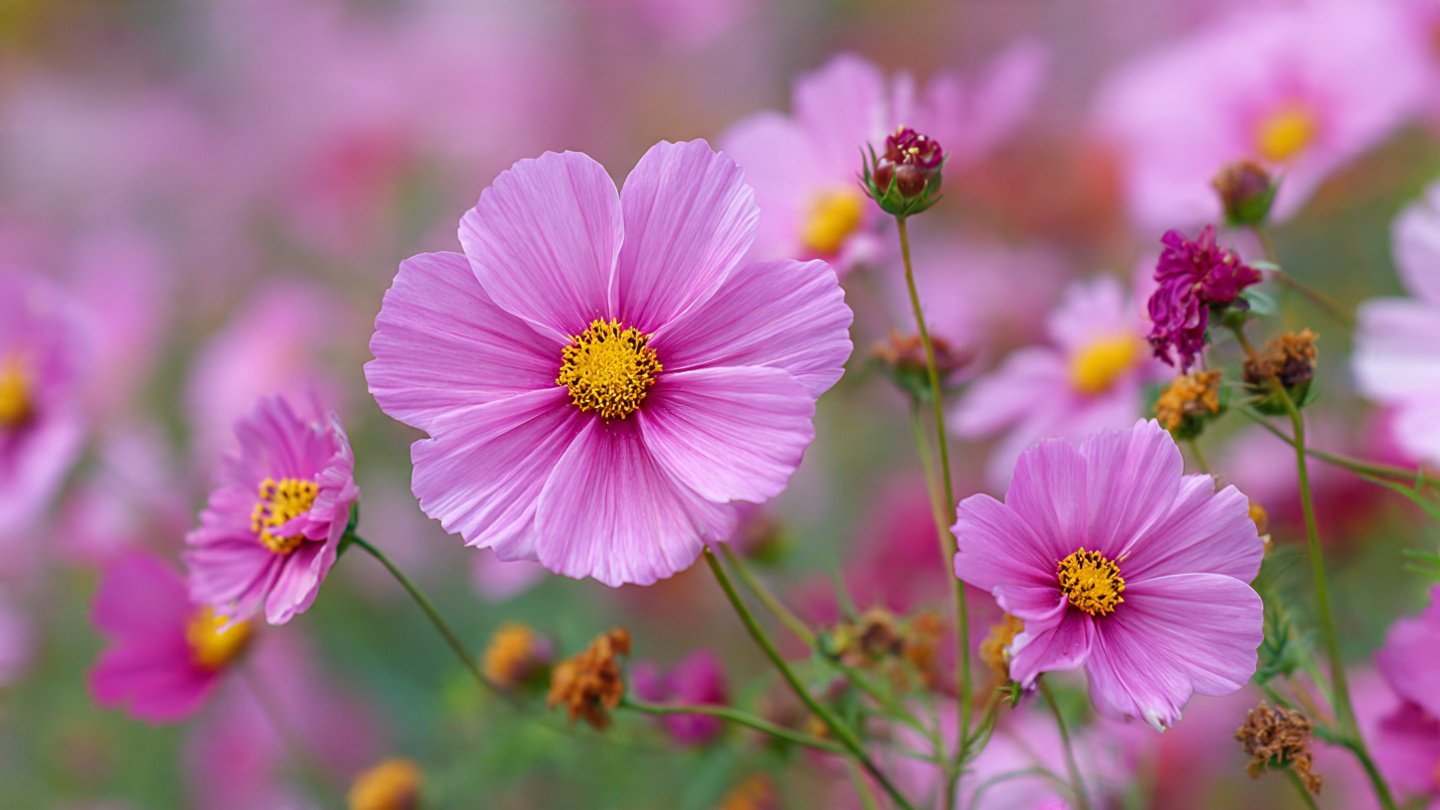
Cosmos flowers are among the most vibrant and versatile blooms a gardener can cultivate. Their delicate, daisy-like flowers come in shades of pink, white, orange, and red, creating a stunning visual display that brightens any garden. Beyond their aesthetic appeal, cosmos flowers play a critical role in supporting local pollinators, including bees, butterflies, and other beneficial insects. Cultivating cosmos in your garden not only enhances beauty but also contributes to a thriving ecosystem. This guide provides practical steps to grow healthy cosmos plants, maximize bloom, and support pollinator populations.
Understanding Cosmos Flowers
Cosmos belong to the Asteraceae family and are native to Mexico, Central America, and parts of South America. They are annual or perennial plants depending on climate, with tall, slender stems and feathery foliage that provides both texture and structure to garden beds. Cosmos are easy to grow, drought-tolerant, and highly adaptable to a variety of soil types, making them ideal for beginner and experienced gardeners alike.
One of the key ecological benefits of cosmos is their ability to attract pollinators. Their nectar-rich flowers provide a food source for bees, butterflies, and hummingbirds, while their seeds can feed birds later in the season. By integrating cosmos into your garden, you create a pollinator-friendly environment that enhances biodiversity and helps support food crops that depend on pollination.
Selecting the Right Cosmos Varieties
Cosmos flowers come in several varieties, each with unique characteristics:
- Cosmos bipinnatus: The most common garden variety, known for its large, showy flowers and delicate foliage. Colors range from white to deep pink.
- Cosmos sulphureus: Characterized by bright orange and yellow blooms. This variety is shorter, more compact, and heat-tolerant.
- Cosmos atrosanguineus: Known as the chocolate cosmos, this variety features dark red flowers with a subtle chocolate scent.
Choosing the right variety depends on garden space, aesthetic preference, and local climate. A mix of colors and heights can create a layered effect that is visually appealing and beneficial for pollinators, as different insects are attracted to specific colors and flower shapes.
Site Selection and Soil Preparation
Cosmos thrive in locations that provide full sunlight. At least six to eight hours of direct sunlight per day ensures healthy growth and prolific blooming. They are tolerant of poor soil but perform best in well-draining soil with a neutral to slightly acidic pH (6.0–7.0).
To prepare the soil:
- Clear the area of weeds and debris.
- Loosen the soil to a depth of 12–15 inches to encourage root development.
- Incorporate organic matter, such as compost or aged manure, to improve fertility and moisture retention.
- Avoid overly rich soil, as excessive nitrogen can encourage leafy growth at the expense of flowers.
Proper site selection and soil preparation set the stage for robust growth and abundant blooms that attract pollinators.
Sowing Cosmos Seeds
Cosmos can be grown from seeds, which is the easiest and most common propagation method. They are direct-sown outdoors after the last frost or started indoors a few weeks prior to transplanting.
- Direct Sowing: Scatter seeds over prepared soil and lightly cover with 1/4 inch of soil. Water gently to avoid washing seeds away. Thin seedlings to 12–18 inches apart once they are a few inches tall to prevent overcrowding.
- Indoor Sowing: Start seeds in trays or pots filled with seed-starting mix. Keep soil moist and maintain a temperature of 65–70°F (18–21°C). Transplant seedlings outdoors after the last frost and once they are sturdy enough to handle.
Cosmos seeds germinate quickly, typically within 7–14 days, and require minimal care during early growth stages.
Watering and Fertilization
While cosmos are drought-tolerant, consistent watering promotes faster growth and prolonged blooming.
- Watering: Keep the soil evenly moist during germination. Once established, water only when soil is dry to the touch. Overwatering can lead to root rot and fungal issues.
- Fertilization: Cosmos generally require minimal fertilization. Excessive fertilizer, particularly nitrogen, may encourage leaf growth rather than flowers. A light application of balanced fertilizer or compost every 4–6 weeks is sufficient.
Maintaining moderate water and nutrient levels helps cosmos focus energy on flowering, which in turn attracts more pollinators.
Supporting Pollinators
Cosmos flowers are particularly valuable for supporting pollinators. Bees, butterflies, and other beneficial insects rely on nectar and pollen for survival, and cosmos provide a reliable food source throughout the growing season.
- Flower Color and Pollinator Attraction: Bees prefer blue and violet flowers but will also visit pink and white blooms. Butterflies are attracted to brightly colored flowers, including orange and red varieties. A diverse mix of cosmos varieties maximizes pollinator visits.
- Sequential Planting: Staggering sowing times ensures continuous blooms throughout the season, providing a consistent food source for insects.
- Habitat Creation: In addition to nectar, cosmos foliage provides shelter for smaller insects. Companion planting with native grasses and flowering plants further enhances pollinator habitat.
By planting cosmos strategically, gardeners create a welcoming environment for pollinators, which benefits surrounding crops and gardens.
Pruning and Deadheading
To encourage continuous blooming and maintain plant health, regular pruning and deadheading are recommended:
- Deadheading: Remove spent flowers regularly to prevent seed formation and redirect energy toward new blooms.
- Pruning: Trim tall, leggy stems to promote bushier growth and reduce the risk of lodging (falling over).
- Supporting Tall Varieties: Stakes or supports may be necessary for taller cosmos varieties, especially in windy areas.
Consistent maintenance ensures a prolonged flowering period and maximizes the garden’s attractiveness to pollinators.
Pest and Disease Management
Cosmos are generally resilient, but occasional pests and diseases can affect plant health:
- Common Pests: Aphids, spider mites, and thrips may attack foliage and flowers. Use insecticidal soap or neem oil for control.
- Disease Prevention: Avoid overhead watering to reduce fungal infections. Ensure proper spacing for air circulation to minimize powdery mildew and root rot.
- Attracting Beneficial Insects: Ladybugs, lacewings, and predatory wasps can naturally control pest populations without harming pollinators.
Healthy cosmos plants resist damage and provide consistent resources for pollinators.
Harvesting Seeds and Extending Bloom
Cosmos seeds can be harvested for future planting or left on plants to provide additional food for wildlife:
- Seed Harvesting: Collect seeds when flower heads dry and turn brown. Store seeds in a cool, dry place for next season.
- Leaving Seeds for Birds: Allowing some flower heads to mature naturally provides seeds for birds, supporting local ecosystems.
- Extending Bloom: In addition to deadheading, provide occasional light fertilization to encourage continued flowering.
By managing seeds strategically, gardeners contribute to pollinator support and future plantings.
Creating a Pollinator-Friendly Garden Design
Incorporating cosmos into a larger pollinator-friendly garden enhances both beauty and ecological impact:
- Diversity: Mix cosmos with other nectar-rich flowers, herbs, and native plants to provide a variety of resources for different pollinator species.
- Layering: Plant taller cosmos varieties in the back and shorter varieties in the front for visual appeal and easier pollinator access.
- Shelter and Water: Include sheltered areas, shallow water sources, and insect hotels to support a thriving ecosystem.
A thoughtful garden design amplifies the ecological benefits of cosmos flowers.
Conclusion
Cosmos flowers are not only visually stunning but also vital contributors to local ecosystems. By following proper planting, maintenance, and pollinator-support strategies, gardeners can cultivate healthy, productive cosmos plants that enhance both garden beauty and biodiversity. Understanding site selection, soil preparation, sowing techniques, watering, pruning, and pest management ensures vigorous growth and prolonged flowering.
Supporting local pollinators with cosmos has far-reaching benefits, from improving the health of bees and butterflies to increasing the productivity of surrounding fruit and vegetable plants. By cultivating cosmos thoughtfully, gardeners can create a sustainable, vibrant, and pollinator-friendly environment that provides beauty, nutrition, and ecological balance.
Whether you are a beginner or an experienced gardener, growing cosmos offers an opportunity to contribute meaningfully to the local ecosystem while enjoying stunning, long-lasting blooms in your garden. With the right care and attention, your cosmos garden can thrive, attracting pollinators, supporting biodiversity, and creating a lush, colorful oasis throughout the growing season.