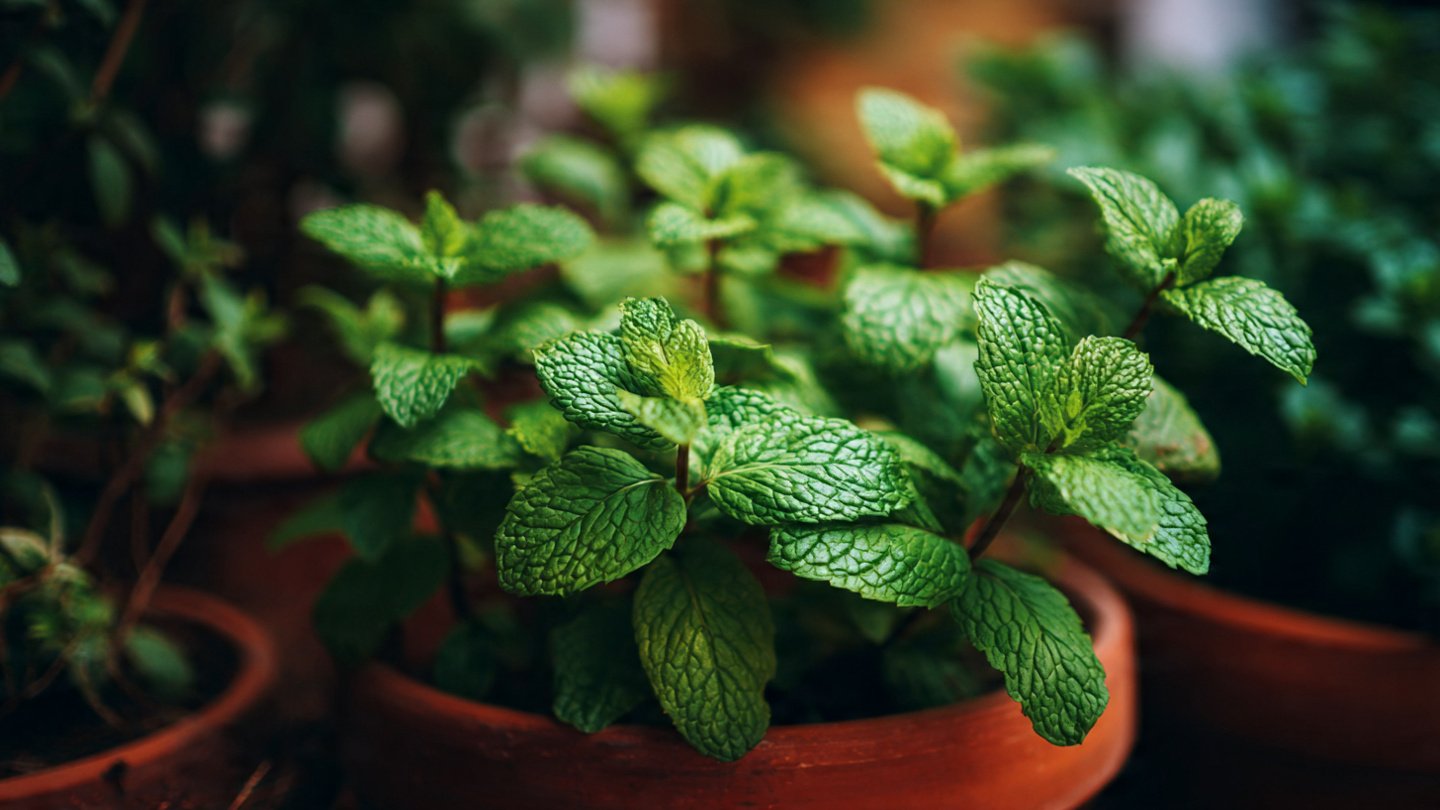
Apple mint, a fragrant and flavorful variety of mint, is highly prized by herb enthusiasts for its sweet, fruity aroma and versatile culinary uses. Whether you want to make refreshing teas, garnish desserts, or flavor beverages, apple mint is a delightful addition to any herb collection. Growing apple mint in pots is particularly advantageous, as it allows gardeners to control soil, moisture, and sunlight while keeping this vigorous herb contained. With proper care and attention, potted apple mint can thrive indoors or outdoors, providing an abundant harvest throughout the growing season.
The first step to successfully growing apple mint in pots is selecting the right container. Apple mint spreads rapidly through underground runners, and planting it in a confined pot prevents it from overtaking garden beds. Choose a container that is at least 8 to 12 inches in diameter and 8 to 10 inches deep to give the roots ample space to develop. Materials such as plastic, ceramic, or clay work well, but the pot must have adequate drainage holes at the bottom. Proper drainage is essential because apple mint is susceptible to root rot if left in standing water. Using a saucer under the pot can help catch excess water while preventing soggy soil conditions.
Next, consider the soil requirements for apple mint. This herb prefers rich, well-draining soil that retains some moisture without becoming waterlogged. A mixture of high-quality potting soil combined with compost or aged organic matter provides necessary nutrients while promoting healthy root development. Lightly amending the soil with perlite or sand can enhance drainage and prevent compaction, which is particularly important in container gardening where water may pool. Maintaining slightly acidic to neutral soil with a pH around 6.0 to 7.0 supports optimal growth.
Apple mint can be propagated either from seeds, cuttings, or small starter plants. Propagation from seeds is possible but slow, as mint seeds can take several weeks to germinate and establish. Most herb enthusiasts prefer stem cuttings, which root quickly and produce vigorous plants. To propagate from a cutting, select a healthy stem from an existing apple mint plant and remove the lower leaves. Place the cutting in water or directly in moist potting soil until roots develop. Once rooted, transplant the cutting into the pot, ensuring that the roots are well-covered and the plant is firm in the soil. Starter plants purchased from nurseries are also an excellent choice for a faster-growing potted mint.
Sunlight is a critical factor in growing apple mint successfully. This herb prefers bright, indirect sunlight or partial shade, making it suitable for indoor and outdoor cultivation. If grown outdoors, place the pot in a location that receives at least four to six hours of sunlight daily. For indoor cultivation, a south- or west-facing windowsill is ideal, or supplemental grow lights can provide adequate light. Insufficient light can cause weak, leggy growth and reduce leaf flavor, while too much intense direct sunlight can scorch the leaves. Adjusting the light exposure and rotating the pot regularly ensures uniform growth.
Watering is another key aspect of potted apple mint care. The soil should be kept consistently moist but not waterlogged. Mint thrives with regular watering, especially during hot or dry conditions, but overwatering can lead to root rot and yellowing leaves. A simple test to determine watering needs is to check the top inch of soil; if it feels dry, it is time to water. Watering at the base of the plant, rather than on the leaves, helps prevent fungal diseases and ensures that water reaches the root system efficiently. Mulching around the base of the plant can help retain moisture and regulate soil temperature.
Fertilization promotes healthy foliage and enhances the aromatic qualities of apple mint. A balanced, all-purpose liquid fertilizer applied every two to four weeks during the growing season provides essential nutrients for vigorous growth. Organic options, such as compost tea or diluted fish emulsion, are also effective and support soil microbial health. Avoid over-fertilizing, which can lead to excessive leafy growth with weaker flavor. Fertilization is particularly important for container-grown plants, as nutrients in pots can become depleted more quickly than in garden soil.
Pruning and harvesting are essential for maintaining a healthy, productive apple mint plant. Regular trimming encourages bushier growth and prevents the plant from becoming leggy or overgrown. Begin harvesting once the plant has at least six inches of growth, cutting stems just above a set of leaves. Avoid removing more than one-third of the plant at a time to prevent stress. Frequent harvesting also delays flowering, which can cause leaves to become bitter. Pinching off flower buds as they appear ensures that the plant continues producing flavorful foliage.
Pests and diseases can affect apple mint if not monitored and managed. Common pests include aphids, spider mites, and whiteflies, while fungal infections such as powdery mildew may occur in humid or poorly ventilated conditions. Regularly inspecting leaves and stems allows early detection of problems. Removing affected parts and using organic treatments like neem oil or insecticidal soap can effectively control infestations. Proper spacing between plants, good air circulation, and avoiding overhead watering further reduce the risk of disease.
Temperature and humidity considerations are also important for potted apple mint. This herb prefers mild temperatures between 18°C and 24°C (65°F–75°F) but can tolerate cooler conditions as long as frost is avoided. In colder climates, pots can be moved indoors or to a protected location during winter. Apple mint also thrives in moderate humidity, and indoor plants may benefit from occasional misting or placement near a humidity tray. Extreme heat or dry conditions can cause stress, leading to wilting or reduced leaf quality.
Container size management is crucial for long-term growth. Apple mint spreads quickly and can become root-bound if left in a small pot for too long. Repotting every one to two years into a slightly larger container refreshes soil, provides additional nutrients, and allows the root system to expand. When repotting, gently loosen the roots and trim any damaged or excessively long roots to promote healthy new growth. Fresh potting soil ensures continued vigor and abundant leaf production.
Using companion planting or grouping pots can improve growth and productivity. Placing apple mint near other herbs like basil, parsley, or thyme can create a mini herb garden that maximizes space and supports beneficial insects. However, care should be taken to avoid overcrowding, as apple mint can quickly dominate shared containers. Separating fast-growing herbs in individual pots allows each plant to thrive while minimizing competition for light, water, and nutrients.
Regular maintenance also includes monitoring for flower formation. While apple mint flowers are attractive and can be used in teas, allowing the plant to flower too early can reduce leaf production. Removing flowers promptly redirects the plant’s energy toward foliage growth, enhancing leaf size and flavor. This practice is especially important in container-grown plants, where limited soil nutrients must be efficiently allocated to maintain leaf quality.
Indoor apple mint cultivation offers unique advantages. Growing in pots allows for year-round harvesting, controlled conditions, and easy access to fresh leaves for cooking or teas. Indoor gardeners can optimize light, temperature, and humidity more easily than outdoor growers, resulting in consistent and vigorous growth. By placing pots near windows, using grow lights, and maintaining proper watering and fertilization routines, indoor apple mint can thrive even in small spaces.
In conclusion, successfully growing apple mint in pots requires a combination of proper container selection, soil preparation, sunlight, water management, fertilization, pruning, and pest control. Propagation through cuttings or starter plants ensures a strong beginning, while regular harvesting and pruning encourage bushy growth and prevent premature flowering. Temperature, humidity, and container size management are additional factors that contribute to healthy, productive plants. By following these strategies, herb enthusiasts can enjoy a steady supply of fragrant, flavorful apple mint leaves throughout the year, enhancing culinary creations and adding a fresh, aromatic touch to any home herb collection. With consistent care and attention to detail, potted apple mint becomes a reliable, rewarding addition to any indoor or outdoor gardening space.