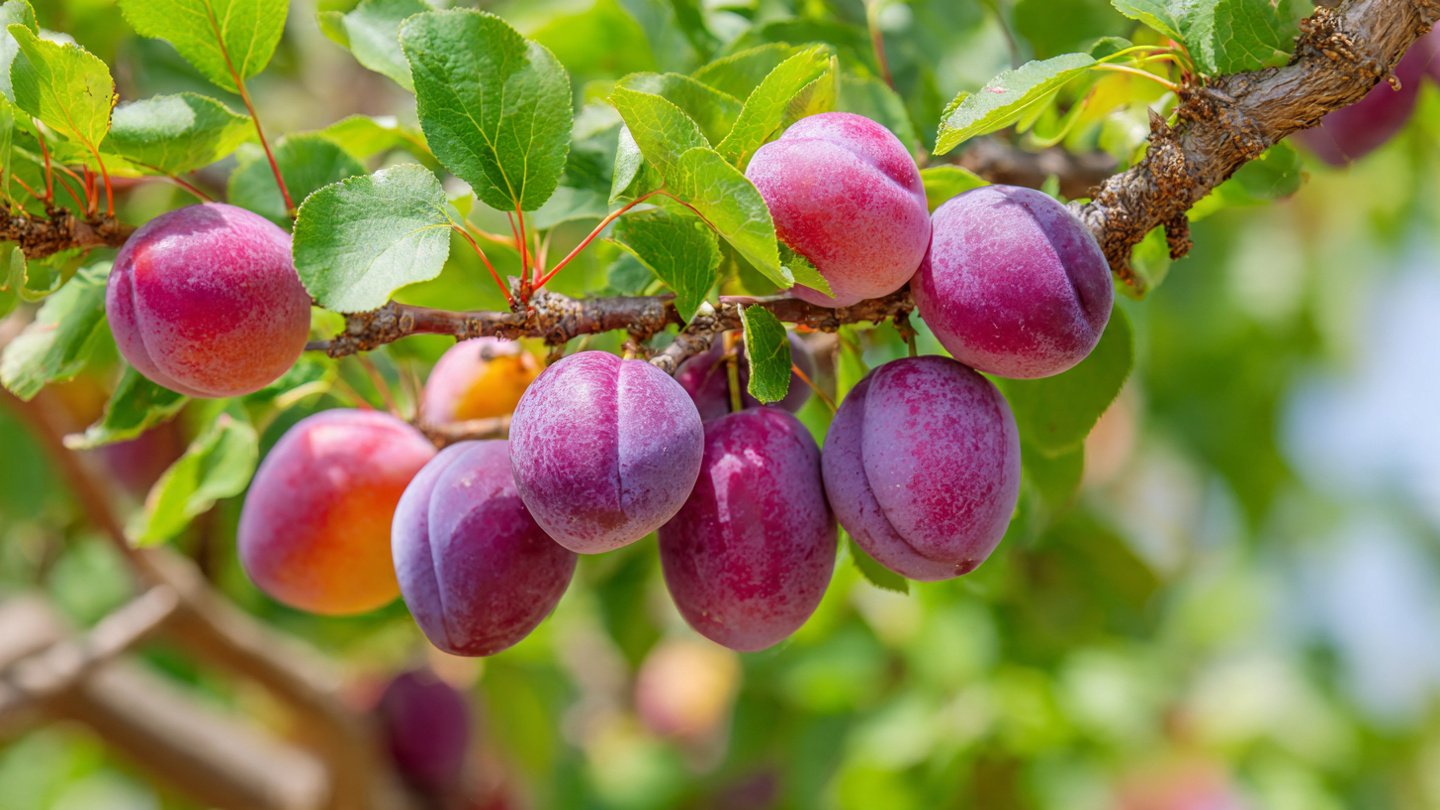
Apricot trees are cherished for their fragrant blossoms and sweet, juicy fruits. Growing a healthy apricot tree in your backyard is a rewarding experience, combining beauty, flavor, and the satisfaction of cultivating your own fresh produce. While apricot trees are relatively hardy, they require careful attention to soil conditions, watering, pruning, and pest management to thrive. By following expert insights and proven techniques, you can maximize the tree’s growth, fruit production, and overall health.
Choosing the Right Apricot Variety
Selecting the correct apricot variety is the first step toward a thriving backyard tree. Apricots vary in terms of cold hardiness, fruit size, flavor, and disease resistance. Some popular varieties suitable for backyard gardens include:
- Blenheim (Royal): Known for its sweet, juicy fruit and excellent flavor, this variety performs well in warmer climates.
- Moorpark: Produces large, flavorful fruits with excellent shelf life.
- Tilton: A late-harvesting variety, often used for canning and preserves due to its firm fruit.
- Goldcot: Cold-hardy and disease-resistant, making it suitable for northern regions.
When choosing a variety, consider your local climate, the tree’s cold-hardiness requirements, and the intended use of the fruit, whether fresh consumption, canning, or drying. Nurseries and local agricultural extensions can provide guidance on the varieties that thrive best in your area.
Selecting the Ideal Planting Site
Apricot trees require a site with full sun and well-drained soil to produce abundant fruit. Sunlight is critical for flowering and fruit development, so aim for at least six to eight hours of direct sunlight daily. Avoid planting in low-lying areas where frost may settle, as apricots bloom early and are susceptible to spring frost damage.
Soil selection is equally important. Apricot trees prefer slightly acidic to neutral soil with a pH range of 6.0–7.0. Heavy clay soils should be avoided, or amended with organic matter to improve drainage and aeration. If your backyard soil is compacted or poorly drained, consider planting your apricot tree on a raised mound or berm to prevent waterlogging, which can lead to root rot.
Planting Techniques for Healthy Growth
Proper planting is essential for a strong foundation. Start by digging a hole twice as wide and slightly deeper than the root ball. This ensures the roots have ample space to expand. Gently loosen the roots before placing the tree in the hole, and ensure that the graft union (if present) is positioned above soil level to prevent rot.
Backfill the hole with a mix of native soil and compost to provide essential nutrients. Water thoroughly after planting to settle the soil and eliminate air pockets. Adding a 2–3 inch layer of mulch around the base helps retain soil moisture, suppress weeds, and regulate temperature. Be careful not to pile mulch directly against the trunk, as this can create conditions for fungal growth and pests.
Watering Strategies
Young apricot trees require consistent moisture to establish strong roots. Water deeply once or twice a week during the first growing season, depending on rainfall and temperature. The goal is to moisten the entire root zone, typically 12–18 inches deep. Avoid shallow, frequent watering, which encourages weak root growth near the soil surface.
Once established, apricot trees are moderately drought-tolerant but still benefit from deep watering during dry spells, particularly in late spring and early summer when fruits are developing. Overwatering should be avoided, as waterlogged soil can lead to root diseases and poor fruit production.
Fertilization and Soil Nutrition
Balanced nutrition is crucial for apricot trees to produce healthy foliage, blossoms, and fruits. Before planting, a soil test can provide valuable insight into nutrient levels and pH. This allows you to amend the soil with the right balance of nitrogen, phosphorus, and potassium.
For young trees, a slow-release, balanced fertilizer applied in early spring helps promote root growth and overall vigor. Mature trees benefit from annual feeding after harvest to support fruit development and prepare for the next season. Organic options, such as compost, well-rotted manure, and fish emulsion, are effective for improving soil structure while providing essential nutrients.
Pruning and Training
Pruning is essential for maintaining the shape, health, and productivity of your apricot tree. Proper pruning improves air circulation, reduces disease risk, and encourages the growth of strong, fruit-bearing branches.
During the first few years, focus on establishing a sturdy framework by selecting three to five primary scaffold branches. Remove any weak, crossing, or inward-growing branches. Summer pruning can help manage excessive growth and improve sunlight penetration into the canopy.
For mature trees, annual winter pruning is recommended after leaf drop. Prune lightly to remove dead, diseased, or damaged wood, and thin crowded areas to allow sunlight to reach all branches. Avoid heavy pruning in late winter or early spring, as this can stimulate excessive vegetative growth at the expense of fruiting.
Pollination and Flowering
Apricot trees are generally self-fertile, meaning a single tree can produce fruit. However, planting more than one variety can improve pollination and fruit yield. Flowers bloom in early spring, and since apricots are sensitive to frost, timing is critical. Protecting blossoms with frost cloths or using other frost-mitigation techniques can prevent significant crop loss.
Bees and other pollinators are vital for fruit set, so maintaining a pollinator-friendly environment with flowering companion plants enhances your tree’s productivity. Avoid using insecticides during flowering to ensure pollinator activity.
Pest and Disease Management
Apricot trees are susceptible to several pests and diseases, which can reduce fruit quality and overall health. Common issues include:
- Aphids: Small, sap-sucking insects that can deform leaves and reduce vigor.
- Peach Twig Borer: Larvae that bore into new shoots and fruits, causing damage.
- Brown Rot: A fungal disease affecting blossoms and fruit, often triggered by wet conditions.
- Bacterial Canker: Causes sunken lesions on branches and oozing gum.
Effective management begins with prevention. Keep the area around the tree clean of fallen leaves and fruit, prune for good air circulation, and select disease-resistant varieties. If needed, targeted organic or chemical treatments can control outbreaks, but careful monitoring and early intervention are key to minimizing damage.
Harvesting and Storage
Apricots are ready to harvest when the fruit develops full color, becomes slightly soft to the touch, and emits a sweet fragrance. Harvesting too early can result in poor flavor, while overripe fruit may fall and spoil. Use gentle hands to avoid bruising delicate fruits.
Once harvested, apricots can be stored at cool temperatures for a few days. They are ideal for fresh consumption, jam-making, drying, or preserving. Proper handling and timely harvest ensure maximum flavor and quality.
Expert Tips for Backyard Success
Experts recommend several additional practices to ensure a thriving apricot tree:
- Monitor Soil Moisture: Use a moisture meter or check soil with your fingers to avoid over or under-watering.
- Mulch Annually: Refresh the mulch layer each spring to maintain soil health and moisture.
- Protect from Frost: Early spring frosts can destroy blossoms; consider frost cloths or windbreaks.
- Rotate Fertilization: Avoid excessive nitrogen, which can stimulate leaf growth over fruit production.
- Regular Inspection: Frequently check for signs of pests, diseases, or nutrient deficiencies to intervene early.
Conclusion
Growing a thriving apricot tree in your backyard is both an art and a science. By carefully selecting the right variety, providing optimal sunlight and soil conditions, following proper planting techniques, and maintaining consistent care through watering, fertilization, pruning, and pest management, you can enjoy a bountiful harvest of sweet, juicy apricots for years to come.
Expert insights emphasize patience, observation, and proactive management. Apricot trees are sensitive to environmental conditions, but with careful attention, even novice gardeners can cultivate a flourishing backyard orchard. The combination of fragrant spring blossoms, vibrant foliage, and delicious summer fruit makes the effort rewarding, enhancing your outdoor space aesthetically and gastronomically.
Ultimately, a thriving apricot tree is the result of thoughtful planning, consistent care, and a little horticultural know-how. Whether you enjoy fresh fruit straight from the branch, home preserves, or dried apricots, a well-cared-for backyard apricot tree provides both beauty and nourishment, creating a lasting connection with nature and the joys of homegrown produce.
By following these expert techniques, your backyard can become a haven for apricot trees, offering abundant harvests and a rewarding gardening experience year after year.