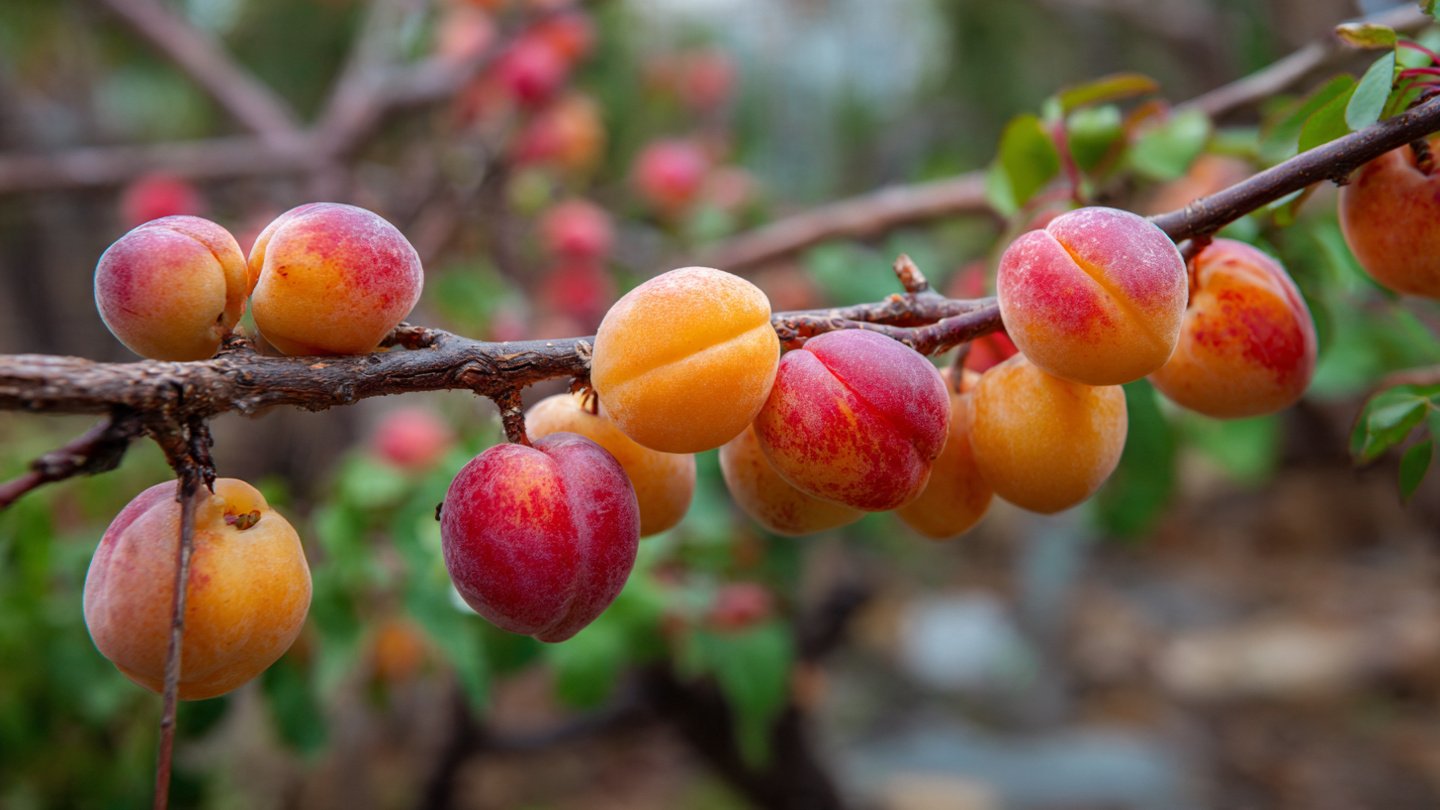
Apricot trees are a delightful addition to any home garden, offering not only sweet, juicy fruits but also beautiful blossoms in early spring. However, growing apricots in regions with short summer seasons can present unique challenges. Home gardeners in such climates need to carefully plan, select appropriate varieties, and follow specific techniques to ensure healthy trees and bountiful harvests. This guide provides simple, actionable steps to successfully grow apricot trees in short summer climates.
1. Understanding Apricot Tree Requirements
Apricot trees thrive in temperate climates with warm, sunny summers and cold winters. However, in short summer regions, the window for fruit development is limited, requiring gardeners to adapt their approach. Apricots need:
- Full Sun Exposure: At least six to eight hours of direct sunlight daily is essential for flowering and fruit ripening. Shorter summers mean maximizing every available sunny hour.
- Well-Draining Soil: Apricots do not tolerate waterlogged soils. A sandy loam or slightly acidic soil with good drainage supports root development and reduces disease risk.
- Cold Winter Chill: Apricot trees require a certain number of chilling hours (hours below 45°F/7°C) to break dormancy and produce fruit. Short summer climates often have adequate winter chill, but it’s essential to choose varieties suited to your region.
Understanding these needs helps home gardeners make informed decisions about planting locations and tree varieties, setting the foundation for success.
2. Selecting the Right Apricot Varieties
Choosing apricot varieties adapted to short summer climates is critical. Early-maturing and cold-hardy varieties ensure fruits ripen before the summer ends. Some recommended varieties include:
- ‘Tilton’: An early-ripening variety producing sweet, orange fruits, suitable for cooler climates.
- ‘Moorpark’: Known for flavorful, larger fruits, though it requires slightly warmer conditions, it can succeed in regions with careful site selection.
- ‘Goldcot’: Compact and cold-hardy, ideal for home gardens with limited space.
- ‘Early Golden’: Ripens quickly, making it suitable for regions with short summers.
Nurseries or local extension services often provide guidance on which varieties perform best in your specific area. Selecting the right variety increases the likelihood of fruit maturity before the growing season ends.
3. Planting at the Right Time
Timing is crucial when planting apricot trees in short summer climates. The best time is typically in early spring after the last frost or in late fall before the ground freezes, depending on your region. Spring planting allows trees to establish roots during the growing season, while fall planting helps them acclimate during dormancy.
Planting Tips:
- Choose a Sunny Location: Ensure the planting site receives maximum sunlight and has good air circulation to prevent fungal diseases.
- Prepare the Soil: Loosen soil to a depth of 18–24 inches, remove rocks and debris, and amend with compost for nutrient-rich soil.
- Plant Properly: Dig a hole slightly larger than the root system. Position the tree with the graft union above soil level, backfill gently, and water thoroughly.
- Mulch: Apply a 2–3 inch layer of organic mulch around the base, leaving space around the trunk to prevent rot.
Proper planting sets the stage for healthy growth and helps the tree withstand the challenges of a short summer season.
4. Providing Adequate Watering
Apricot trees require consistent watering, especially in short summer climates where heat can stress young trees. However, overwatering can lead to root rot, so balance is key.
- Young Trees: Water deeply once or twice a week, depending on rainfall and soil type. Ensure water reaches the roots, encouraging deep root growth.
- Established Trees: Reduce frequency but water during prolonged dry periods, particularly during flowering and fruit development.
- Watering Technique: Drip irrigation or slow soaker hoses work best to avoid wetting leaves, which reduces fungal disease risk.
Monitoring soil moisture and adjusting watering frequency based on weather conditions ensures the tree remains healthy and productive.
5. Fertilization for Growth and Fruit Production
Fertilization supports strong growth and fruiting. However, over-fertilizing, especially with nitrogen, can lead to excessive leafy growth and reduced fruiting.
- Early Spring: Apply a balanced fertilizer (e.g., 10-10-10 NPK) to support budding and leaf development.
- After Flowering: Use a lower nitrogen, higher phosphorus and potassium fertilizer to encourage fruit set and development.
- Organic Options: Compost, well-rotted manure, and fish emulsion are excellent natural alternatives that improve soil health.
Regular soil testing helps determine nutrient needs, allowing for precise fertilization tailored to your garden.
6. Pruning for Shape and Health
Pruning is vital for apricot trees, especially in climates with short summers. Proper pruning promotes sunlight penetration, air circulation, and manageable tree size, which aids fruit ripening.
- Dormant Pruning: Conduct in late winter while the tree is still dormant. Remove dead, damaged, or crossing branches.
- Shaping: Aim for an open-center or vase shape to allow sunlight to reach the inner branches.
- Summer Pruning: Light pruning after harvest can prevent overly vigorous growth that may not mature before the end of summer.
Regular pruning reduces disease risk, supports fruiting, and helps trees adapt to shorter growing seasons.
7. Protecting Trees from Frost and Weather
Short summer climates often coincide with late spring frosts, which can damage blossoms and reduce fruit set. Protecting apricot trees ensures maximum fruit production.
- Frost Covers: Use frost cloths or lightweight sheets during unexpected cold snaps.
- Mulching: Mulch helps moderate soil temperatures and conserves moisture.
- Wind Protection: Erect windbreaks or plant near fences to shield trees from strong gusts that can damage blossoms and branches.
Early preparation and vigilance during the flowering stage can save an entire season’s harvest.
8. Managing Pests and Diseases
Apricot trees are susceptible to pests and diseases that can hinder growth or ruin fruit. Short summer climates may reduce certain pests but can encourage fungal issues due to lingering cool, wet conditions.
Common Issues:
- Brown Rot: A fungal disease affecting blossoms and fruit. Prune infected areas and apply appropriate fungicides.
- Aphids and Mites: Insects that feed on leaves and fruit, manageable through insecticidal soap or natural predators like ladybugs.
- Bacterial Canker: Causes oozing wounds and dieback; remove affected branches promptly.
Integrated pest management, including monitoring, sanitation, and selective treatment, keeps trees healthy without over-relying on chemicals.
9. Harvesting at the Right Time
In short summer climates, timing the harvest is critical. Apricots do not continue to ripen significantly after picking, so harvest at peak ripeness.
- Color: Look for vibrant orange or yellow hues depending on the variety.
- Firmness: Fruit should yield slightly to gentle pressure but not be overly soft.
- Flavor: Taste testing a few fruits ensures optimal sweetness and flavor.
Harvest regularly to prevent overripe fruits from attracting pests or causing branches to break.
10. Winter Care and Dormancy Preparation
Even in short summer climates, apricots require winter dormancy to reset for the next season. Proper winter care ensures trees survive cold periods and return healthy.
- Mulching: Apply a thick layer of mulch around the root zone to insulate against freezing temperatures.
- Pruning: Finish dormant pruning before severe winter weather sets in.
- Protection: Young trees may need burlap wraps or temporary shelters to prevent frost damage.
Ensuring your trees are prepared for winter protects them and sets the stage for a successful growing season ahead.
Conclusion
Growing apricot trees in short summer climates can be challenging, but with the right approach, it is entirely achievable. By understanding tree requirements, selecting suitable varieties, planting thoughtfully, managing water and nutrients, pruning correctly, protecting from frost, controlling pests, and harvesting at the right time, home gardeners can enjoy delicious apricots even in regions with limited summer warmth. Patience, observation, and consistent care are key—every step contributes to healthier trees, more abundant fruits, and a thriving garden. With dedication, even a short summer can yield the sweet rewards of homegrown apricots.